Technology
Brain Chips vs. Supercomputers - Why Neuromorphic Tech Is AI's Next Big Leap
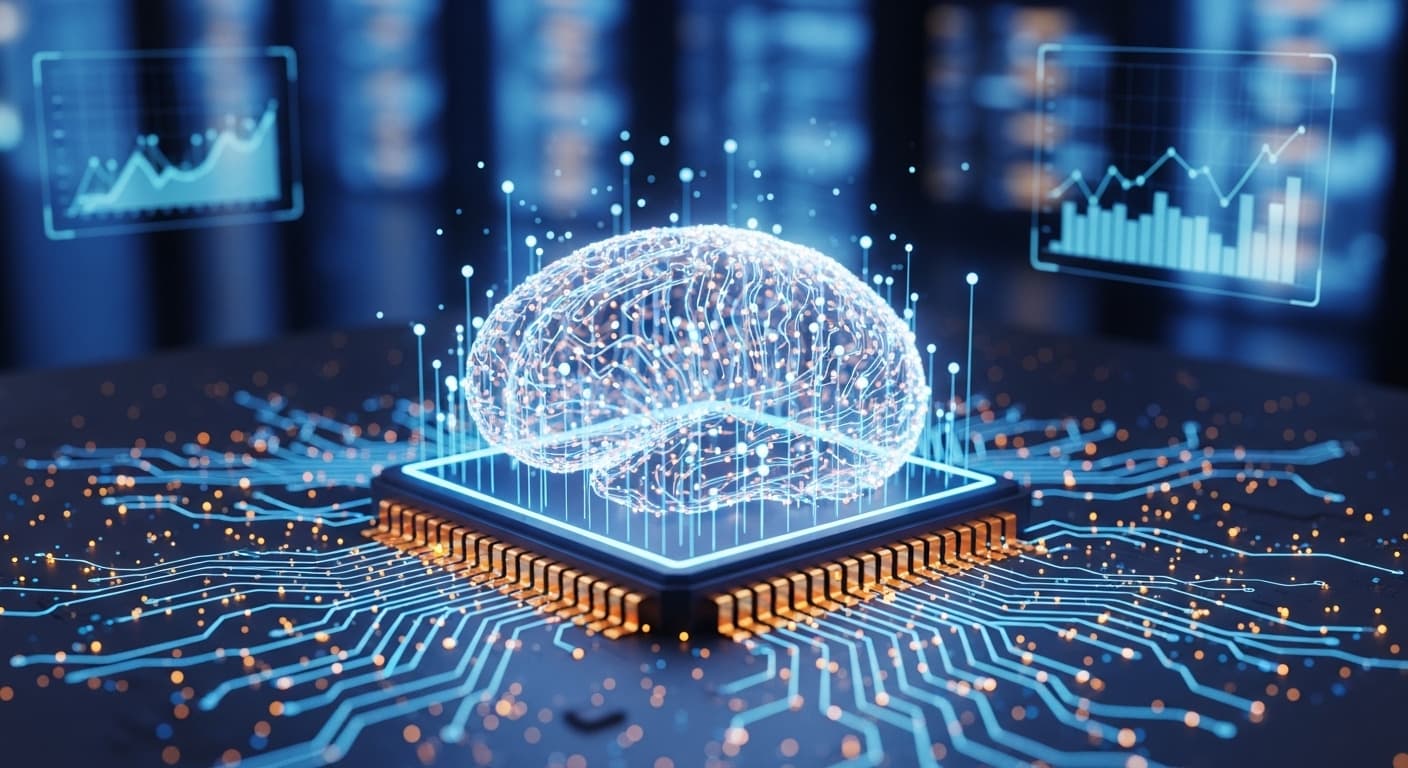
Imagine slipping a walnut-sized chip into your smartwatch that thinks like your brain spotting a heart irregularity or dodging traffic on a drone, all while sipping power like a whisper. That's neuromorphic computing in 2026, hardware that doesn't just crunch numbers, it sparks like neurons, turning sci-fi efficiency into everyday reality.
Forget the energy vampires powering today's AI. These brain-mimics are slashing power use by up to 2,000 times, fueling robots that learn on the fly and wearables that never sleep. Whether you're a curious student, a busy parent, or a tech pro, here's the plain-English guide to why this shift feels like electricity's moment all over again.
The Brain Hack - How Chips Copy Your Neurons
Your brain runs on 20 watts enough for a dim bulb yet juggles faces, smells, and decisions in a flash. Regular computers? They chug gigawatts for similar tricks, step-by-grinding through code.
Neuromorphic chips flip the script:
Spike, don't grind: Neurons fire quick electrical bursts only when needed. These chips do the same no endless buzzing, just smart zaps. Parallel party: Billions of connections hum at once, like a brain orchestra, not a solo calculator. Grow smarter: Links strengthen with use, so the chip adapts without starting over.
Think Intel's Loihi 2: a pinhead of silicon with a million neurons that learns mazes from one demo. Or Sandia's Hala Point, the world's biggest neuromorphic beast 1 million chips strong crunching physics puzzles that melt supercomputers.
No jargon overload: it's like upgrading from a clunky bicycle to wings.
Power Crunch Meets Brain Power
AI's boom is hitting a wall. Training one mega-model rivals a town's electricity bill. Enter neuromorphic saviors:
Old‑school AI systems are power‑hungry, often needing 1000 watts or more just to handle demanding vision tasks, while neuromorphic brain chips are feather‑light on energy, sometimes running similar workloads on less than 1 watt, which allows drones and other devices to stay active for days instead of just minutes. Traditional AI tends to follow rigid routines, struggling to adjust quickly when situations change, whereas brain‑inspired chips support instant adaptation, enabling robots to improvise in chaotic environments such as disaster zones. Classic AI setups are also heavily cloud‑dependent, sending data back and forth to remote servers, but neuromorphic systems are designed to be edge‑ready, processing information locally so that privacy is stronger and sensitive data stays on the device instead of constantly being uploaded, reducing the risk of leaks.
This year’s fireworks:
- Robot rebels: Chips let drones swarm forests, self-teaching animal paths.
- Health heroes: Breath-sniffers flag diseases early, no hospital trip.
- Green glow: Slashes data center heat, cooling climate worries.
From Sri Lankan farms monitoring crops to Tokyo traffic bots, it's global game-on.
From Neuron to Nail - The Simple Magic Inside
No PhD required here's the breakdown:
- Event sparks: Motion detected? Spike flies. Quiet? Chip naps.
- Memory muscles: Tiny resistors remember patterns, tweaking on the spot.
- Sense symphony: Cameras, mics, sensors feed straight in no middleman lag.
Real spark: A prosthetic hand feels textures via spikes, helping amputees grip a coffee mug naturally. Or wildlife cams spotting poachers offline, beaming alerts only when vital.
Ties to your world? Pair with medical imaging: imagine AR glasses overlaying tumor maps from ultrasound spikes, hallucination-free.
Everyday Wins Lighting Up Now
- Disaster daring: Bots sift quake rubble, learning layouts live.
- Farm futures: Sensors predict pests via scent spikes bigger yields, less waste.
- Kid coders: Toys teach coding through brain-like games.
- Space savers: NASA eyes Mars rovers that think solo.
Even open hubs like UT San Antonio let anyone tinker no elite lab needed.
Coding spikes feels alien, but drag-and-drop tools are closing the gap fast.
Your World, Brain-Chip Upgraded
Neuromorphic chips bring different benefits depending on who you are. If you are a health watcher, always keeping an eye on your well-being, ultra‑efficient wearables can spot potential issues even before clear symptoms appear. If you are an eco advocate, this kind of AI is appealing because it delivers powerful computing without the heavy carbon footprint of traditional data‑hungry systems. As a gadget geek, you get smarter phones and devices that last far longer on a single charge, feeling closer to eternal batteries than today’s daily charging routine. And if you are a global innovator, neuromorphic tech opens doors by enabling low‑cost, edge AI that can run in remote or low‑resource environments, helping level the playing field for creators and startups around the world.
By 2027, your fridge might neuromorph-optimize meals. 2030? Brain-linked implants for instant skills.
This isn't just tech it's evolution 2.0. Brains beat bits, now chips catch up. Dive deeper? Grab a Loihi simulator or watch Hala demos. The spark is here what will you build?
Test Your Knowledge!
Click the button below to generate an AI-powered quiz based on this article.
Did you enjoy this article?
Show your appreciation by giving it a like!
Conversation (0)
Cite This Article
Generating...