Engineering
Is Formula 1 Still Fair in 2026? The Customer Team Problem Explained
1.0 Introduction
Formula 1 has always presented itself as the pinnacle of fair competition where the best teams, drivers, and engineers come together on a level playing field. But as the 2026 regulations reshape the sport, a critical question is emerging:
Is Formula 1 still fair for customer teams?
With early performance gaps and increasing reliance on software-driven systems, the debate around competitive balance is stronger than ever.
2.0 What Is a “Customer Team” in Formula 1?
In Formula 1, not every team builds its own engine. Some teams—known as customer teams—purchase power units from manufacturers.
For example:
- McLaren, Williams racing & Alpine F1 Team uses engines supplied by Mercedes-AMG Petronas Formula One Team
- Haas & Cadillac Formula one teams depends on Ferrari powertrain
- Redbull & Racing Bulls uses their powertrains corporating with Ford
- Aston Martin uses Honda Powertrains
- Audi Team use thier own Audi Powertrains
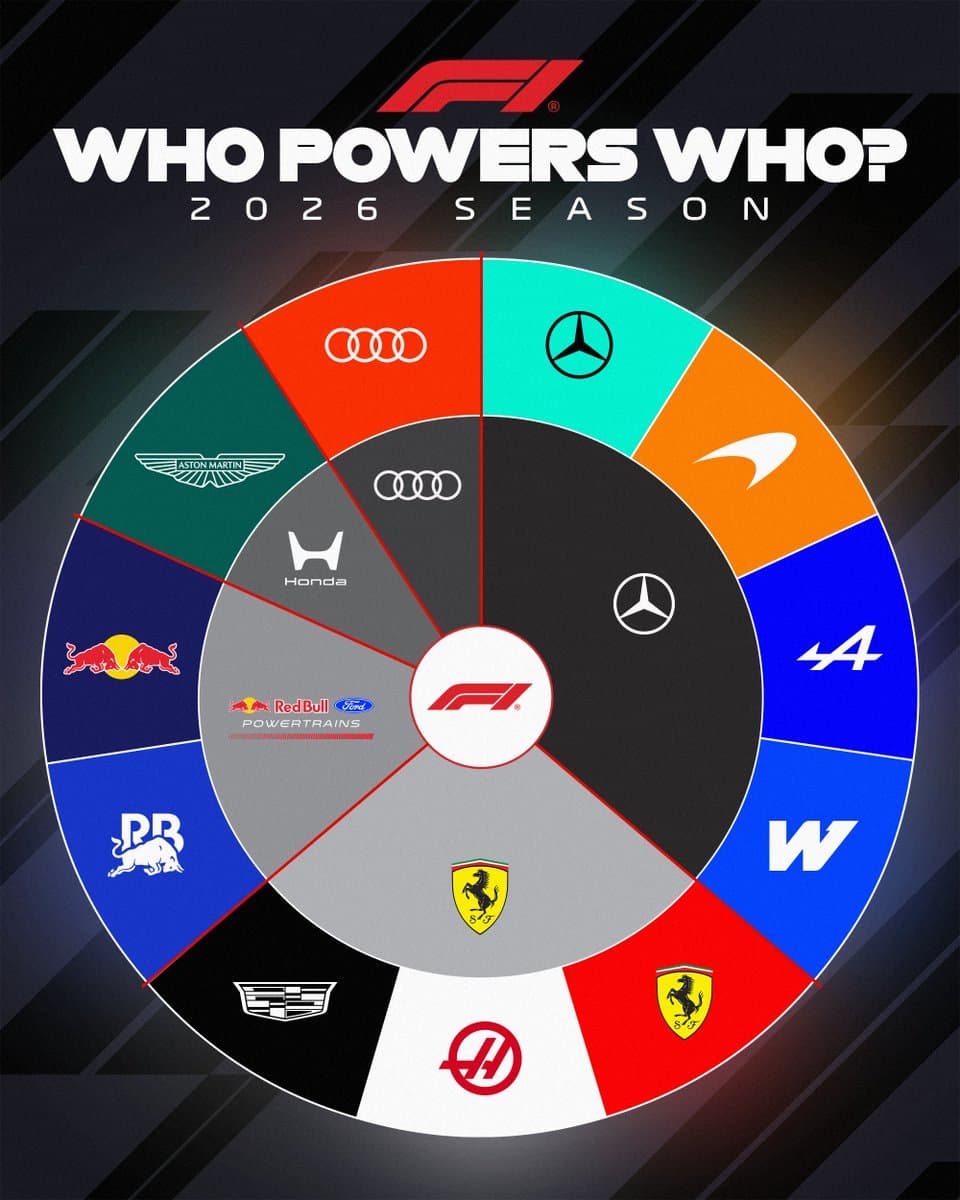
On paper, this sounds fair multiple teams using the same engine should mean similar performance.
But in reality, things are far more complex.
3.0 Same Engine, Different Performance
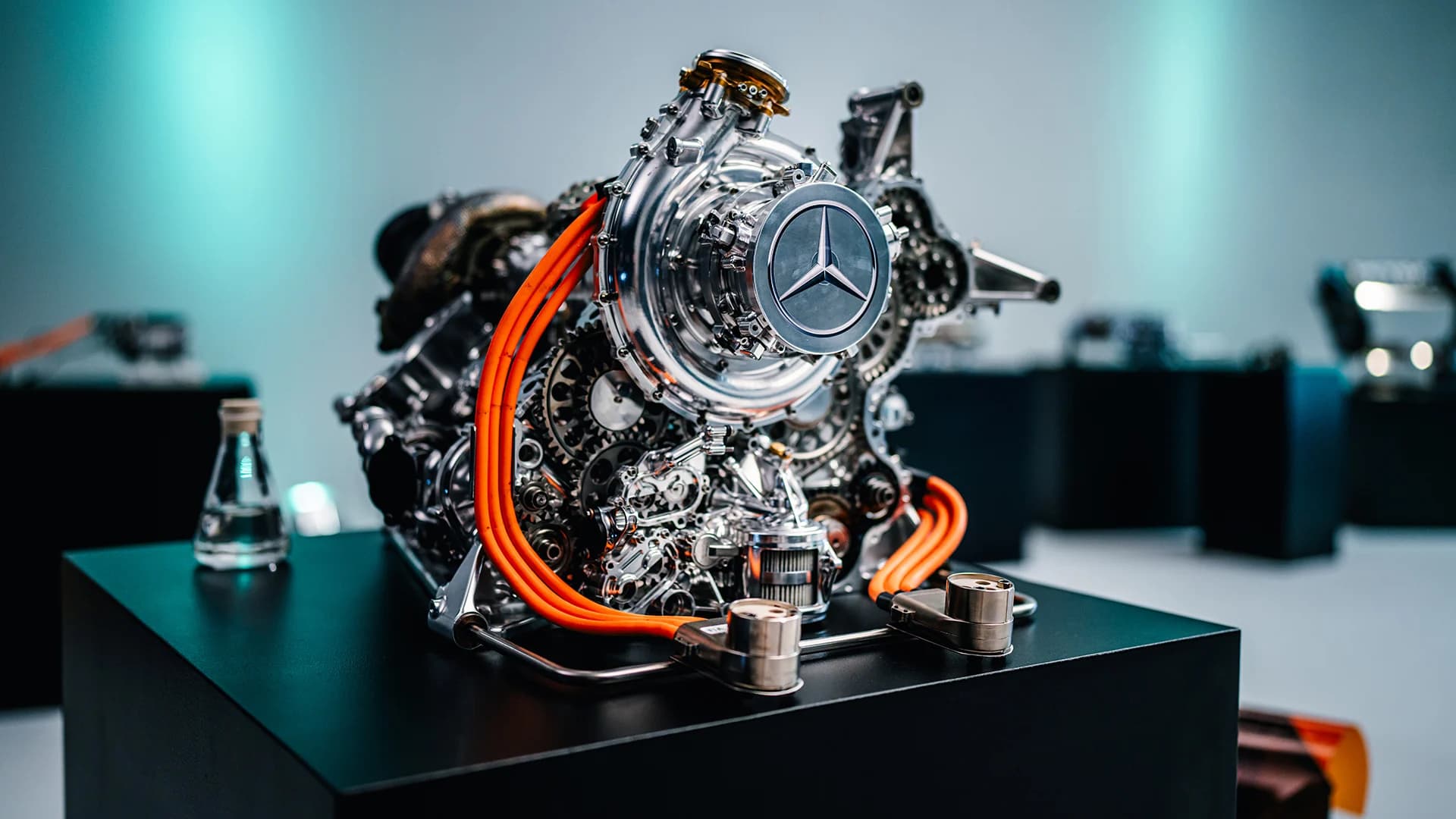
So what’s causing this difference?
The answer lies in something less visible than aerodynamics or engine power:
System integration and software control
Modern F1 cars are not just machines they are highly integrated systems where performance depends on how well components communicate and operate together.
Works teams benefit from:
- Full knowledge of the power unit architecture
- Acess to control software development
- Tight integration between engine and chassis teams
Customer teams, however, may:
- Receive standardized configurations
- Have limited insight into deeper system optimization
- Depend on suppliers for updates and calibration
This creates a subtle but significant gap.
4.0 The 2026 Factor: Why This Problem Is Getting Bigger
The 2026 regulations are amplifying this issue.
Key changes include:
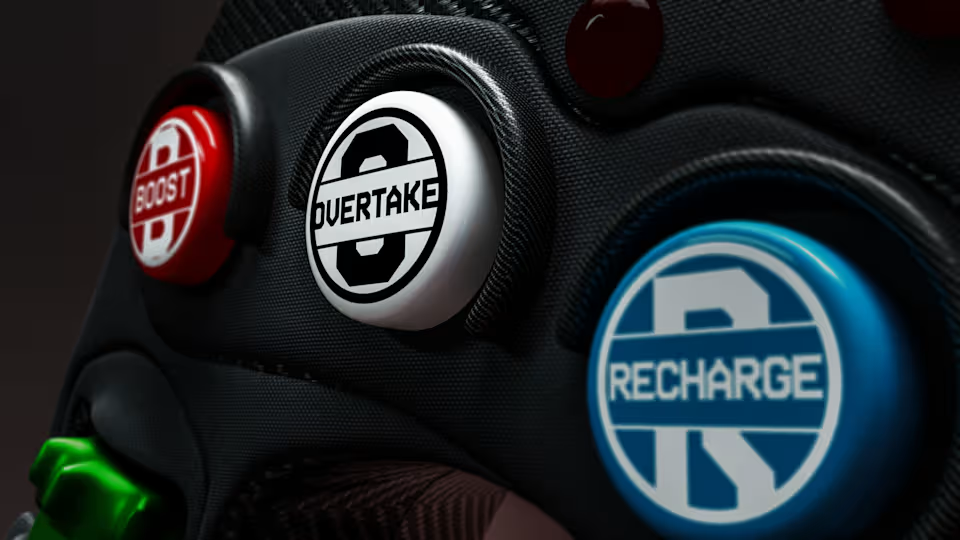
- Increased reliance on hybrid energy systems
- Greater importance of energy deployment strategies
- Removal of certain legacy components, shifting complexity into software
In this new era, performance is no longer just about:
- Horsepower
- Downforce
Instead, it’s about:
"How efficiently a team can manage, deploy, and optimize energy in real time"
This is where works teams gain a natural advantage because they control the entire ecosystem.
5.0 Is This an Unfair Advantage?
At first glance, it may seem like the system favors works teams. However, calling it “unfair” requires a deeper look.
Formula 1 has never been a perfectly equal sport. Differences have always existed in:
- Budget
- Facilities
- Technical expertise
What’s changing in 2026 is where the advantage lies.
Before: Advantage = better aerodynamics or engine design
Now: Advantage = better system understanding and integration
So the issue is not necessarily unfairness but complexity.

6.0 Can Customer Teams Catch Up?
History suggests: yes, they can.

- Strong engineering talent
- Access to the same hardware
- Freedom to innovate in other areas (aero, setup, strategy)
As the season progresses, teams can:
- Improve software calibration
- Better understand energy deployment
- Close performance gaps through data and learning
What looks like a structural disadvantage today may become a temporary learning curve tomorrow.
7.0 The Bigger Question: What Does “Fair” Mean in F1?
This situation raises an important philosophical question: "Should Formula 1 aim for equal performance or reward technical excellence?"
If every team had identical performance:
- The sport would be closer
- But innovation would be limited
If differences exist:
- The sport becomes more technical
- But gaps can appear
The 2026 regulations seem to lean toward the latter favoring teams that can master complexity, not just build fast cars.
8.0 Conclusion
The idea that customer teams face a disadvantage in 2026 is not entirely wrong but it is also not the full story.
Yes, works teams currently benefit from deeper integration and system control. But Formula 1 has always been about adaptation.
The real competition is no longer just on the track it’s in how quickly teams can understand and optimize complex systems.
So, is Formula 1 still fair? The answer depends on how you define fairness:
- Equal tools? Not entirely.
- Equal opportunity to innovate and improve? Absolutely.
And in Formula 1, that difference is everything.
Test Your Knowledge!
Click the button below to generate an AI-powered quiz based on this article.
Did you enjoy this article?
Show your appreciation by giving it a like!
Conversation (0)
Cite This Article
Generating...