Science
Personalized mRNA Cancer Vaccines - How Treatment Is Being Tailored to Your Tumor
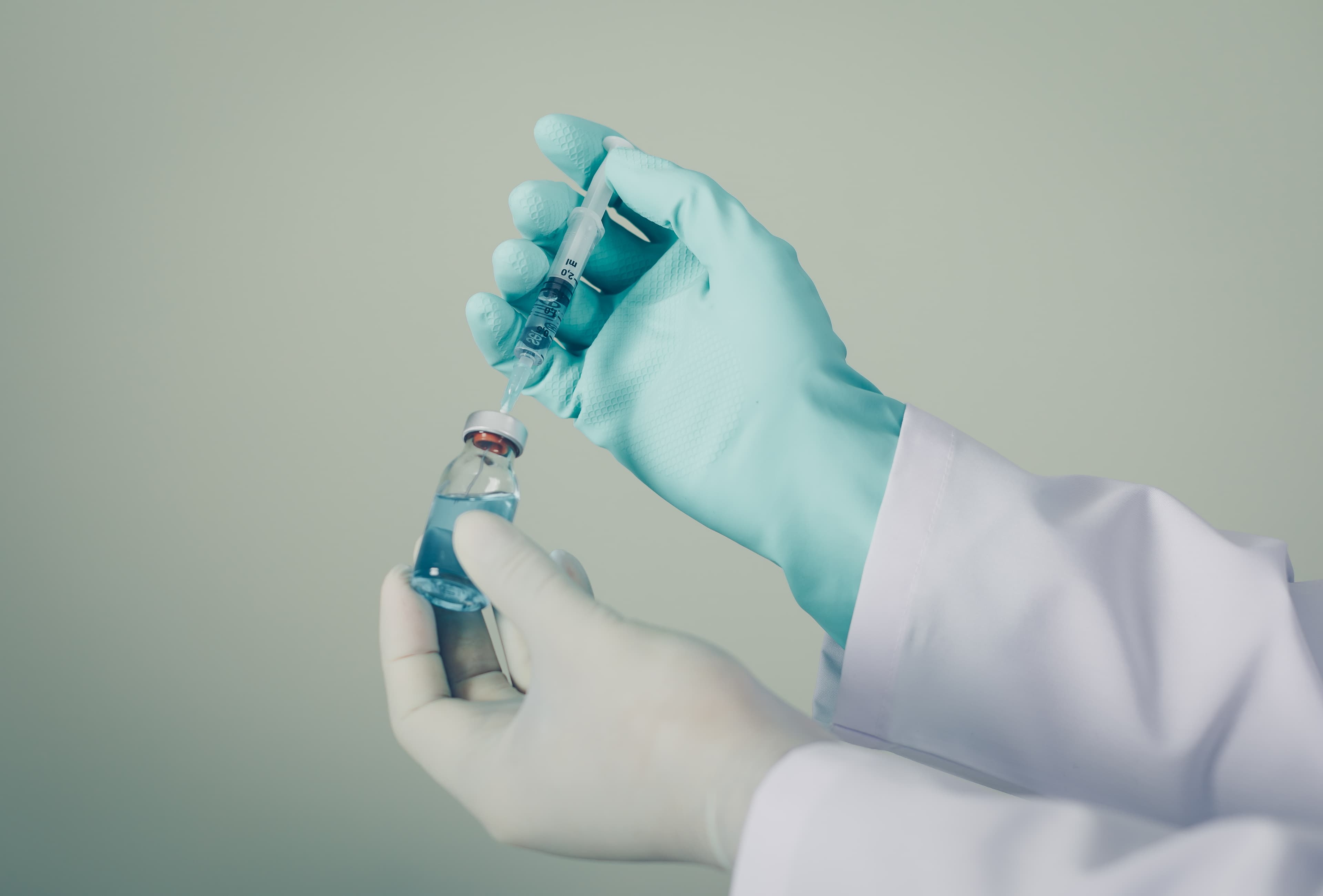
You've heard of mRNA vaccines. They're the technology that helped end the COVID-19 pandemic. But scientists were working on mRNA long before COVID and the disease they had in their sights from the very beginning was cancer.
In 2026, that work is paying off. For the first time in history, doctors can take a sample of a patient's tumor, decode its genetic fingerprint, and use that information to design a vaccine that is completely unique to that individual a vaccine that teaches the immune system to hunt down and destroy that specific cancer. No two patients receive the same vaccine. No two vaccines are alike.
This is not science fiction. Clinical trials are running right now. Early results are turning heads across the oncology world. And the implications for how we treat cancer over the next decade could be profound.
This article explains the whole story from the basics of what mRNA actually is, to what a personalized cancer vaccine looks like in practice, to what the early results are showing, and what it might mean for patients in the years ahead.
No scientific background required.
First: What Is mRNA, and Why Does It Matter?
To understand personalized cancer vaccines, you need to understand mRNA. Let's start from the very beginning.
Every cell in your body contains DNA the master blueprint for building and running a human being. DNA lives in the nucleus, the cell's control room, and it never leaves. Think of it as the original recipe book kept locked in a vault.
When the cell needs to actually use a recipe to build a specific protein it makes a temporary copy of the relevant instructions. That copy is called messenger RNA, or mRNA. The mRNA travels out of the nucleus to the cell's protein-making machinery, delivers its instructions, the protein gets built, and then the mRNA breaks down and disappears. Its job is done.
mRNA is, in essence, a temporary instruction slip. It carries a message, delivers it, and is then destroyed. It never touches your DNA. It cannot change your genetic code. It is, by design, fleeting.
What mRNA vaccines do is use this natural system. Instead of injecting a virus or a weakened pathogen into your body the old approach an mRNA vaccine delivers a set of genetic instructions that tell your cells to build a specific protein. Your immune system sees that protein, recognises it as foreign, mounts a response, and builds a memory. If the real threat appears later, your immune system is ready.
With COVID vaccines, that protein was the spike protein on the surface of the coronavirus. With cancer vaccines, it's something far more personal: proteins found specifically on your tumor cells and nowhere else in your body.
The Cancer Problem mRNA Is Trying to Solve
To understand why personalised cancer vaccines are so exciting, you need to understand what makes cancer so hard to treat.
Cancer is not one disease. It is hundreds of diseases, all sharing one defining characteristic: your own cells have begun dividing uncontrollably, ignoring the normal signals that tell cells when to stop growing.
But here's the deeper problem. Even within a single patient, a tumor is not a uniform mass. It's a chaotic, genetically diverse population of cells, each accumulating its own mutations. And those mutations are different in every patient. Your breast cancer and your neighbour's breast cancer may share a name, but at the genetic level, they can be remarkably different diseases.
This is why cancer treatment has historically been such a blunt instrument. Chemotherapy kills rapidly dividing cells which includes cancer cells, but also your hair follicles, the lining of your gut, and your immune system. Radiation blasts a region of tissue. These approaches work often very well but they don't distinguish between your cancer and your body with anything like the precision we'd want.
The holy grail of cancer treatment has always been specificity, therapies that target the cancer and leave healthy tissue alone. And the most specific targeting system your body already possesses is your own immune system.
Your Immune System - The World's Most Sophisticated Cancer Hunter
Your immune system is extraordinarily good at identifying threats. It does this by scanning proteins on the surface of cells a process that happens constantly, trillions of times a day, throughout your body.
Healthy cells display normal proteins. Immune cells recognise them as self and leave them alone. Cells that are infected, abnormal, or cancerous often display unusual proteins the result of viral infections, genetic damage, or, in the case of cancer, mutations. These unusual proteins are called antigens. When immune cells detect foreign antigens, they mount an attack.
Here is the remarkable thing: cancer cells do display unusual antigens. The mutations that drive cancer change the proteins on the surface of tumor cells. In theory, your immune system should be able to detect these and destroy the cancer.
In practice, cancer is very good at hiding from immune surveillance suppressing immune signals, disguising itself, and creating an environment around the tumor that discourages immune attack. One of the great goals of modern oncology is to help the immune system see what cancer is trying to hide.
This is exactly what personalised mRNA cancer vaccines are designed to do.
How a Personalised Cancer Vaccine Is Made
This is where the science becomes genuinely remarkable. Here is the process, step by step, in plain language.
Step 1: Obtain the Tumor Sample When a patient has surgery or a biopsy to remove or sample their tumor, a piece of that tissue is sent not just to the pathology lab but to a genomic sequencing facility. This is the raw material for the vaccine.
Step 2: Sequence the Tumor's DNA Scientists extract the DNA from the tumor cells and sequence it reading the full genetic code of the cancer. They also sequence the patient's normal, healthy DNA (usually from a blood sample) so they have a baseline for comparison.
Step 3: Find the Mutations The Neoantigens By comparing the tumor DNA to the healthy DNA, computational algorithms identify the mutations that are unique to the cancer changes that appeared in the tumor but are absent from the patient's normal cells. These mutations often produce altered proteins on the surface of tumor cells. Those altered proteins are called neoantigens neo meaning new, antigen meaning something that triggers an immune response.
Neoantigens are the vaccine's targets. They are the cancer's fingerprints present on the tumor, absent from healthy tissue. If you can train the immune system to attack cells displaying these neoantigens, you can direct it specifically at the cancer.
Step 4: Predict Which Neoantigens to Target A single tumor may carry hundreds or thousands of mutations and therefore hundreds or thousands of potential neoantigens. Not all of them are equally useful as vaccine targets. Sophisticated AI-powered algorithms analyse each candidate neoantigen and predict which ones are most likely to be displayed prominently on tumor cells, and which ones the patient's immune system is most likely to mount a strong response against.
Typically, a final vaccine is designed around 20 to 34 of the best candidate neoantigens.
Step 5: Design and Manufacture the mRNA Once the target neoantigens are selected, the corresponding mRNA sequences are designed essentially writing the instruction code that will tell the patient's cells to produce those proteins. This mRNA is then synthesised in a laboratory, encased in protective lipid nanoparticles (tiny fat bubbles that help the mRNA enter cells safely), and prepared for injection.
Step 6: Vaccinate the Patient The vaccine is administered typically by injection into the muscle, like any other vaccine. The patient's cells take up the mRNA, produce the neoantigen proteins, and display them. The immune system recognises these as foreign, mounts a response, and crucially builds an immunological memory: a trained army of T-cells that will now recognise and attack any cell in the body displaying those same neoantigens. Which means: the cancer cells.
Step 7: Monitor and Boost Like other vaccines, cancer mRNA vaccines may be given in multiple doses. Patients are monitored closely for immune response blood tests can measure whether the vaccine is producing the T-cell response that doctors are looking for. The approach can also be combined with other treatments, particularly immune checkpoint inhibitors drugs that remove some of cancer's ability to suppress immune attack.
The entire process from tumor sequencing to vaccine delivery currently takes approximately four to eight weeks. Researchers are working to compress that timeline significantly.
What the Clinical Trials Are Showing
This is not theoretical. Here is where the science stands in 2026.
The Melanoma Results That Changed Everything The results that brought personalised mRNA cancer vaccines to global attention came from a Phase 2b clinical trial by Moderna and Merck, testing a personalised mRNA vaccine called mRNA-4157 also known as V940 combined with the immune checkpoint drug Pembrolizumab (Keytruda) in patients with high-risk melanoma one of the most dangerous forms of skin cancer.
In patients who had their tumors surgically removed but remained at high risk of recurrence, the combination of the personalised vaccine and Pembrolizumab reduced the risk of the cancer returning or the patient dying by approximately 49% compared to Pembrolizumab alone, at the three-year follow-up. That is a striking result in a disease that is notoriously difficult to treat once it returns.
A Phase 3 trial the large-scale confirmatory study required before a therapy can be approved is now underway.
Expanding to Other Cancers Encouraged by the melanoma results, researchers are now running personalised mRNA vaccine trials across multiple cancer types, including non-small cell lung cancer, bladder cancer, kidney cancer, colorectal cancer, and pancreatic cancer one of the hardest cancers to treat, where the early signals from personalised vaccine trials have been cautiously encouraging.
BioNTech's BNT111 and Broader Pipeline BioNTech the German company that partnered with Pfizer on the COVID mRNA vaccine has its own personalised cancer vaccine programme running in parallel. Their approach, called iNeST (individualised neoantigen specific immunotherapy), is in clinical trials for several cancer types. Early data suggests meaningful immune responses are being generated in a significant proportion of patients.
What Early Results Actually Mean It is important to be honest about where we are. Many of these trials are still in Phase 1 or Phase 2 meaning they are primarily designed to test safety and begin assessing effectiveness in relatively small groups of patients. Promising Phase 2 results do not guarantee Phase 3 success. The history of oncology is full of treatments that looked extraordinary in early trials and then failed to replicate at scale.
What we can say with confidence is this: the early safety profile of personalised mRNA cancer vaccines has been broadly reassuring, the immune responses being generated are real and measurable, and the melanoma data if it holds up in Phase 3 would represent a meaningful clinical advance. The scientific rationale is sound. The early evidence is encouraging. The rigorous proof is still being built.
The Challenges That Remain
Personalised mRNA cancer vaccines represent a genuine scientific leap but they face real obstacles that will take years to overcome.
Speed and Scale of Manufacturing
Every vaccine is unique. That means every vaccine must be individually designed, manufactured, and quality-controlled. This is extraordinarily complex and time-consuming compared to producing millions of identical doses of a conventional vaccine. Reducing the manufacturing time from weeks to days and making the process scalable is one of the field's most urgent engineering challenges.
Cost
Individual manufacturing means individual cost. Current estimates suggest personalised cancer vaccines could cost hundreds of thousands of dollars per patient making global access an immediate equity concern. As the technology matures and manufacturing processes improve, costs are expected to fall. But the timeline for affordability at scale is uncertain.
Not All Tumors Are Equal
Some tumors carry many mutations and therefore many potential neoantigens making them good candidates for this approach. Others, particularly in certain cancer types, carry very few mutations and may offer limited targets for a personalised vaccine. The approach is likely to work better for some cancers than others.
The Immune Escape Problem
Cancer is evolutionarily adaptable. Even if a vaccine successfully trains the immune system to attack cells displaying specific neoantigens, the tumor can sometimes evolve losing or suppressing those antigens in order to evade the immune response. Designing vaccines that target multiple neoantigens simultaneously is one strategy to make this harder for the cancer to achieve.
Timing: Earlier Is Better
Current trials are largely focused on patients who have already had surgery but remain at high risk of recurrence. There is growing evidence that the immune system is most responsive to cancer vaccines when the tumor burden is low meaning the approach may work best when used earlier in the disease, before the cancer has had the chance to build extensive immune-suppressing machinery around itself. Future trials are likely to push vaccination earlier in the treatment pathway.
What This Could Mean for Cancer Care Over the Next 5–10 Years
If the current generation of trials delivers on its early promise, personalised mRNA cancer vaccines could reshape oncology in several significant ways.
From Treatment to Prevention of Recurrence
The most immediate application is likely to be in preventing cancer from coming back after surgery. Many patients who have their cancer surgically removed still carry microscopic disease individual cancer cells that have evaded detection and can seed a recurrence months or years later. A personalised vaccine given after surgery could train the immune system to hunt down and destroy these residual cells before they grow into a new tumor.
Combination Therapy
Personalised vaccines are unlikely to be used in isolation. They will almost certainly be combined with other treatments checkpoint inhibitors, targeted therapies, conventional chemotherapy, or radiotherapy in combination regimens tailored to individual patients. Understanding which combinations work best for which cancer types will be a major focus of research over the next decade.
Potential for Earlier-Stage Treatment
As manufacturing becomes faster and more scalable, the window for vaccine use could move earlier potentially into adjuvant therapy which is a treatment given after surgery when there is no detectable disease or even into screening contexts, if genetic testing can identify high-risk individuals before a cancer becomes established.
The AI-Genomics Engine Behind It All
None of this works without extraordinary computational power. The ability to sequence a tumor's genome, compare it to healthy DNA, identify relevant neoantigens, and predict which ones will generate the strongest immune response all within a clinically useful timeframe depends on AI and machine learning algorithms that are themselves improving rapidly. The better these tools get, the faster and more accurate vaccine design becomes.
A New Category of Medicine
Perhaps most significantly, personalised mRNA cancer vaccines represent a philosophical shift in medicine from treating disease categories to treating individual patients. The same mRNA platform that enables a personalised cancer vaccine could, in principle, be adapted to other diseases driven by individual genetic variation. The infrastructure being built for cancer today may become the foundation of a broader personalised medicine revolution.
What This Means If You or Someone You Love Has Cancer Today
Personalised mRNA cancer vaccines are not yet approved or available as standard treatment they are in clinical trials. But this is what you can do right now:
Ask about clinical trials. If you or a loved one has been diagnosed with cancer particularly melanoma, lung, colorectal, bladder, or kidney cancer it is worth asking your oncologist whether there are any clinical trials involving personalised vaccine therapies that might be appropriate. Eligibility varies widely, but it's a conversation worth having.
Understand that experimental is not the same as dangerous. Phase 1 and 2 trials are carefully controlled, with extensive safety monitoring. For patients with limited options, trial participation may offer access to treatments that are not otherwise available.
Stay informed, not over-optimistic. The science is genuinely exciting. The early results are real. But this technology is still being proven, and it will take years of rigorous testing before it becomes a standard part of cancer care. Following credible sources the major cancer research centres, peer-reviewed journals, and organisations like the American Cancer Society or Cancer Research UK will give you reliable updates as the evidence develops.
For decades, the immune system has been cancer's most powerful potential adversary and cancer's most successful strategy has been to hide from it. Personalised mRNA cancer vaccines are, at their core, an attempt to pull back that disguise: to show the immune system exactly what the cancer looks like, in that specific patient, and give it the tools to mount a targeted, precise, and durable response.
The technology is real. The platform is proven. The biology is sound. The early clinical results are encouraging in ways that have excited serious scientists who have spent careers being disappointed by promising early data.
We are not at the finish line. Manufacturing remains complex. Costs are high. Phase 3 trials are still running. Many questions remain unanswered about which patients will benefit most, which combinations will prove most effective, and how durable the immune responses will be over many years.
But the direction is clear. mRNA the same technology that helped protect the world from a pandemic is now being turned, with increasing precision and promise, against one of humanity's oldest and most formidable medical challenges.
For the first time, we are not just treating cancer. We are learning to teach the body to recognise it, remember it, and fight it on its own terms.
That is a genuinely remarkable moment in the history of medicine.
Cover image by Freepik (www.freepik.com)
References
Cafri, G., Gartner, J.J., Zaks, T., Hopson, K., Levin, N., Paria, B.C., Parkhurst, M.R., Yossef, R., Lowery, F.J., Jafferji, M.S., Sindiri, S., Rymar, A., Miozzi, A., Good, M.L., Prickett, T.D., Goff, S.L., Seitter, S., Ray, S., Shindorf, M.L., Parikh, A., Chatani, P.D., Robbins, P.F. and Rosenberg, S.A. (2020) 'mRNA vaccine-induced neoantigen-specific T cell immunity in patients with gastrointestinal cancer', Journal of Clinical Investigation, 130(11), pp. 5976–5988. doi:10.1172/JCI134915.
Cancer Research UK (2025) What are cancer vaccines? Available at: https://www.cancerresearchuk.org/about-cancer/treatment/immunotherapy/types/cancer-vaccines (Accessed: 15 March 2026).
Chaudhary, N., Weissman, D. and Whitehead, K.A. (2021) 'mRNA vaccines for infectious diseases: principles, delivery and clinical translation', Nature Reviews Drug Discovery, 20(11), pp. 817–838. doi:10.1038/s41573-021-00283-5.
Disis, M.L. and Stanton, S.E. (2021) 'Developing a preventive vaccine for cancer: what is the target?', Science Translational Medicine, 13(596), eabc3750. doi:10.1126/scitranslmed.abc3750.
Fritsch, E.F., Rajasagi, M., Ott, P.A., Brusic, V., Hacohen, N. and Wu, C.J. (2014) 'HLA-binding properties of tumor neoepitopes in humans', Cancer Immunology Research, 2(6), pp. 522–529. doi:10.1158/2326-6066.CIR-13-0227.
Hollingsworth, R.E. and Jansen, K. (2019) 'Turning the corner on therapeutic cancer vaccines', npj Vaccines, 4(1), article 7. doi:10.1038/s41541-019-0103-y. Karikó, K., Buckstein, M., Ni, H. and Weissman, D. (2005) 'Suppression of RNA recognition by Toll-like receptors: the impact of nucleoside modification and the evolutionary origin of RNA', Immunity, 23(2), pp. 165–175. doi:10.1016/j.immuni.2005.06.008.
Kreiter, S., Vormehr, M., van de Roemer, N., Diken, M., Löwer, M., Diekmann, J., Boegel, S., Schrörs, B., Vascotto, F., Castle, J.C., Tadmor, A.D., Schoenberger, S.P., Huber, C., Türeci, Ö. and Sahin, U. (2015) 'Mutant MHC class II epitopes drive therapeutic immune responses to cancer', Nature, 520(7549), pp. 692–696. doi:10.1038/nature14426.
Merck & Co. (2023) Merck and Moderna announce mRNA-4157/V940 in combination with Keytruda reduced the risk of recurrence or death by 49% versus Keytruda alone in patients with high-risk stage III/IV melanoma in KEYNOTE-942 trial [Press release]. Available at: https://www.merck.com/news/merck-and-moderna-announce-mrna-4157v940-in-combination-with-keytruda-reduced-the-risk-of-recurrence-or-death-by-49-versus-keytruda-alone-in-patients-with-high-risk-stage-iiiv-melanoma/ (Accessed: 10 March 2026).
Moderna, Inc. (2024) mRNA-4157 (V940) individualised neoantigen therapy: pipeline overview. Cambridge, MA: Moderna, Inc. Available at: https://www.modernatx.com/pipeline/therapeutic-areas/oncology (Accessed: 12 March 2026).
National Cancer Institute (2025) Cancer vaccines. Bethesda, MD: National Institutes of Health. Available at: https://www.cancer.gov/about-cancer/treatment/types/immunotherapy/cancer-treatment-vaccines (Accessed: 14 March 2026).
Ott, P.A., Hu, Z., Keskin, D.B., Shukla, S.A., Sun, J., Bozym, D.J., Zhang, W., Luoma, A., Giobbie-Hurder, A., Peter, L., Chen, C., Olive, O., Carter, T.A., Li, S., Lieb, D.J., Barouch, D.H., Rodig, S.J., Groce, C.L., Bhatt, D.L. and Wu, C.J. (2017) 'An immunogenic personal neoantigen vaccine for patients with melanoma', Nature, 547(7662), pp. 217–221. doi:10.1038/nature22991.
Pardi, N., Hogan, M.J., Porter, F.W. and Weissman, D. (2018) 'mRNA vaccines — a new era in vaccinology', Nature Reviews Drug Discovery, 17(4), pp. 261–279. doi:10.1038/nrd.2017.243.
Platten, M., Bunse, L., Wick, A., Bunse, T., Le Cornet, L., Harting, I., Sahm, F., Sanghvi, K., Tan, C.L., Poschke, I., Langford, A., Pietsch, T., Heinz, J., Hassel, J.C., Wormanns, D., Grauer, O.M., Schäfer, N., Tabatabai, G., Schlegel, J., Schmitt, A., Koch, C., Thalmair, V., Honegger, J., Hertenstein, A., Winkler, F., Bendszus, M., Schnell, O., Goldbrunner, R., Tonn, J.C., Nessler, S., Sabel, M., Sickmann, T., Gempt, J., Ringel, F., Vajkoczy, P., Vatter, H., Teuber-Hanselmann, S., Hänggi, D., Kehler, U., Simon, M., Urbach, H., Wick, W. and APACT study group (2021) 'A vaccine targeting mutant IDH1 in newly diagnosed glioma', Nature, 592(7854), pp. 463–468. doi:10.1038/s41586-021-03363-z.
Rojas, L.A., Sethna, Z., Soares, K.C., Olcese, C., Pang, N., Patterson, E., Lihm, J., Ceglia, N., Giese, R., Woo, Y., Osada, T., Lax, B.M., Mandeli, J., Goodman, K., Kingham, T.P., D'Angelica, M.I., DeMatteo, R.P., Kooby, D.A., Gönen, M., Jarnagin, W.R., Bhojwani, N., Pappas, D., Merghoub, T., Bromberg, J., Bajorin, D., Mandelker, D.L., Postow, M.A., Chesney, J.A., Ferris, R.L., Faries, M., Zager, J.S., Taback, B., Slingluff, C.L. and Wolchok, J.D. (2023) 'Personalised RNA neoantigen vaccines stimulate T cells in pancreatic cancer', Nature, 618(7963), pp. 144–150. doi:10.1038/s41586-023-06063-y.
Sahin, U. and Türeci, Ö. (2018) 'Personalised vaccines for cancer immunotherapy', Science, 359(6382), pp. 1355–1360. doi:10.1126/science.aar7112.
Sahin, U., Derhovanessian, E., Miller, M., Kloke, B.P., Simon, P., Löwer, M., Bukur, V., Tadmor, A.D., Luxemburger, U., Schrörs, B., Omokoko, T., Vormehr, M., Albrecht, C., Paruzynski, A., Kuhn, A.N., Buck, J., Heesch, S., Schreeb, K.H., Müller, F., Ortseifer, I., Vogler, I., Godehardt, E., Attig, S., Rae, R., Breitkreuz, A., Tolliver, C., Suchan, M., Zgheib, C., Hallauer, A., Alger, G., Thirion, C., Richter, G., Küchler, M., Engeroff, P., Diekmann, J., Karaoglu, N., Müller, S., Wurm, M., Roller, M., Diken, M., Kranz, L., Heesen, L., Löwer, M., Huber, C. and Türeci, Ö. (2017) 'Personalised RNA mutanome vaccines mobilise poly-specific therapeutic immunity against cancer', Nature, 547(7662), pp. 222–226. doi:10.1038/nature23003.
Schumacher, T.N. and Schreiber, R.D. (2015) 'Neoantigens in cancer immunotherapy', Science, 348(6230), pp. 69–74. doi:10.1126/science.aaa4971.
World Health Organization (2025) Cancer: key facts. Geneva: World Health Organization. Available at: https://www.who.int/news-room/fact-sheets/detail/cancer (Accessed: 10 March 2026).
Test Your Knowledge!
Click the button below to generate an AI-powered quiz based on this article.
Did you enjoy this article?
Show your appreciation by giving it a like!
Conversation (0)
Cite This Article
Generating...