Science
A Simple Blood Test for Cancer? How Liquid Biopsies Are Changing Cancer Detection in 2026
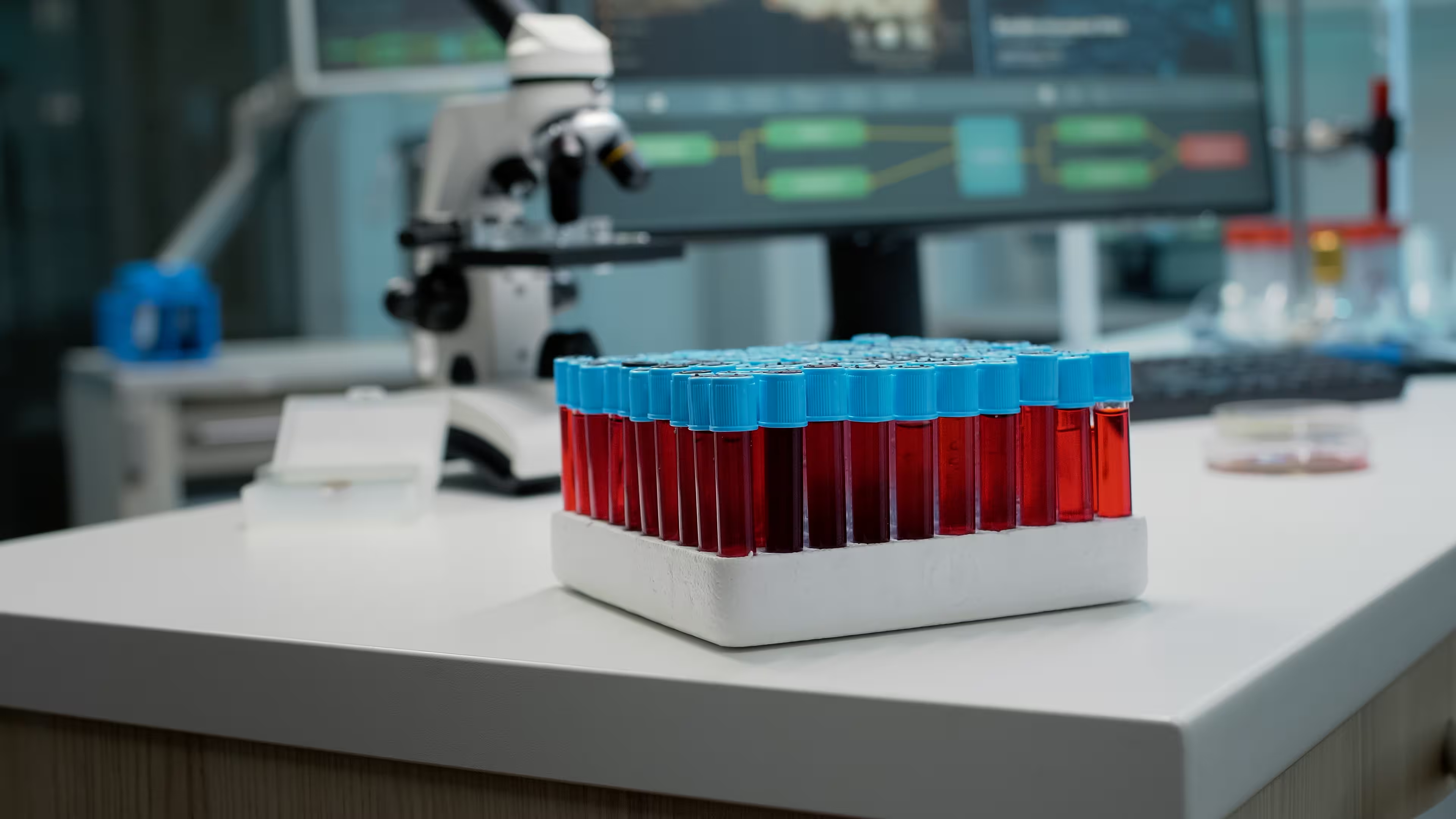
Imagine being told you have cancer not because you noticed a lump, not because a scan revealed a suspicious shadow, not because symptoms drove you to a doctor but because a routine blood test, taken at your annual check-up, quietly found it. Early. Treatable. Before it had a chance to spread.
That scenario, which would have seemed like science fiction a decade ago, is becoming reality in 2026.
A technology called the liquid biopsy a blood test that can detect fragments of tumour DNA circulating in the bloodstream is reshaping the landscape of cancer detection in ways that oncologists describe as the most significant advance in early cancer diagnosis in a generation. It is not perfect. It is not available everywhere. It is not a replacement for everything that came before. But it is real, it is here, and its implications for how cancer is caught, monitored, and treated are profound.
This article tells the complete story what liquid biopsies are, how they work, what the science currently shows, where they are already changing clinical practice, where they fall short, and what the next five years may bring for people everywhere.
No medical background required. This is a story everyone should understand.
The Problem Liquid Biopsies Are Solving
To understand why liquid biopsies matter so much, you first need to understand the fundamental problem with how cancer has historically been detected and why that problem has cost millions of lives.
Cancer, at its most treatable, is a small thing. A cluster of abnormal cells, contained, local, not yet established in the surrounding tissue. At this stage, surgery can cure it. Radiation can eliminate it. The five-year survival rates for most cancers caught at stage one are extraordinarily high often above 90%.
Cancer, at its least treatable, is a large, dispersed thing. Cells that have broken away from the original tumour and established themselves in distant organs the liver, the lungs, the brain. At this stage, treatment extends life and manages symptoms. It rarely cures.
The tragedy is that the same cancer that is straightforwardly curable at stage one is frequently fatal at stage four. And the distance between those two stages is not years of inevitable progression it is a detection gap. A window of time during which the cancer existed, could have been found, and was not, because the tools available for finding it were not sensitive enough, not accessible enough, or not deployed in the right way.
Most cancers are currently detected in one of three ways, because the patient noticed a symptom and sought medical attention, because a screening programme caught it like mammography for breast cancer, colonoscopy for colorectal cancer, PSA tests for prostate cancer, or incidentally, during imaging done for another reason. All three of these detection pathways share a common weakness, they find cancer after it has made itself visible or has grown large enough to show up on a scan. By that point, many cancers are already beyond their earliest, most treatable stage.
Liquid biopsies offer something none of these approaches can, the ability to detect the molecular signature of a tumour in a blood sample, potentially years before the cancer would be large enough to cause symptoms or appear on conventional imaging.
What Is a Liquid Biopsy?
A liquid biopsy is, at its simplest, a blood test that looks for cancer-derived material circulating in the bloodstream.
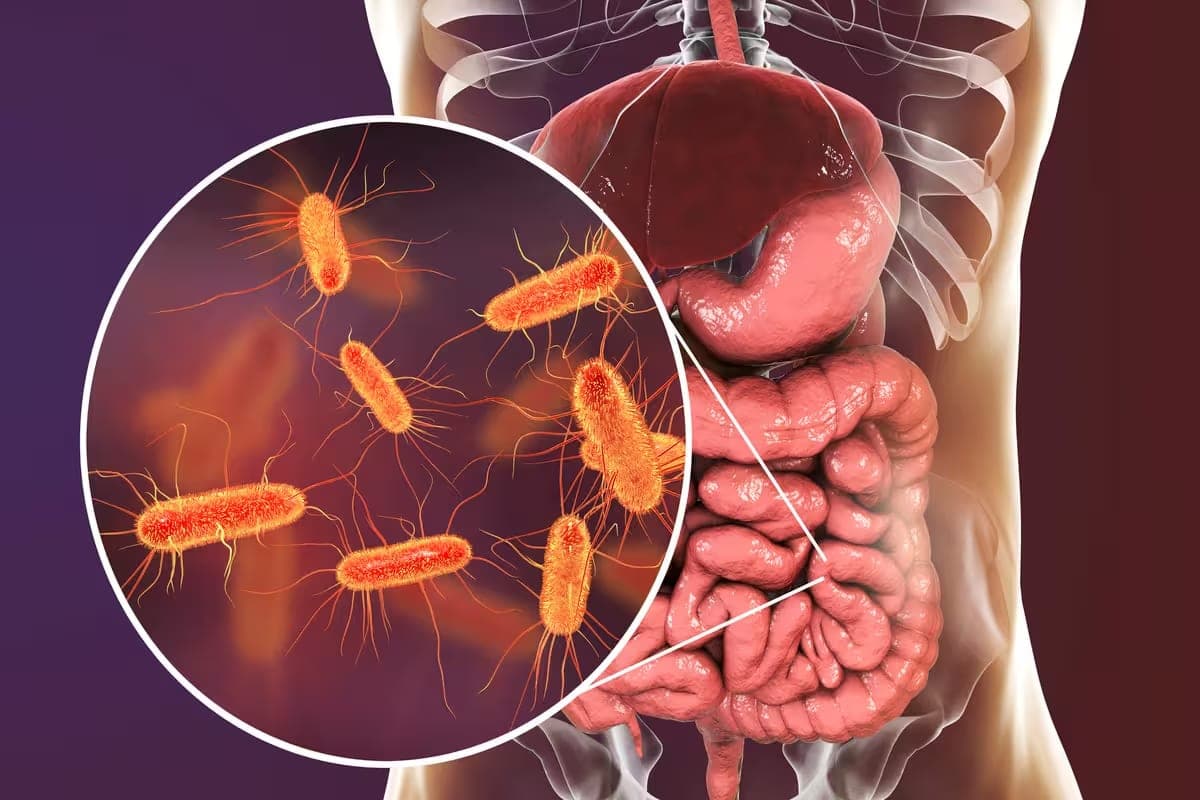
To understand how it works, you need to know one remarkable biological fact, tumours shed. As cancer cells grow, divide, and die, they release fragments of their DNA into the bloodstream. This circulating tumour DNA called ctDNA is present in the blood of people with cancer, often in very small amounts, mixed in with the vast quantity of normal DNA shed by healthy cells.
The challenge and the technological achievement is finding these fragments. In someone with early-stage cancer, ctDNA may represent as little as one part in ten thousand of all the DNA circulating in the blood. Finding it is like identifying a single misspelled word in a library of ten thousand books, while only having a thimble of ink to work with.
This is where modern genomic technology comes in. Techniques collectively called next-generation sequencing can read DNA at extraordinary speed and sensitivity processing millions of DNA fragments simultaneously and identifying the specific mutations that mark tumour DNA as different from normal cellular DNA. The computational analysis required to distinguish true cancer signal from background noise is substantial, which is why AI and machine learning have become central to the development of liquid biopsy platforms.
Beyond ctDNA, liquid biopsies can also detect:
Circulating tumour cells (CTCs) intact cancer cells that have broken away from the primary tumour and entered the bloodstream, the same cells responsible for metastasis.
Cell-free RNA messenger RNA molecules shed by tumour cells that reflect which genes the cancer is actively expressing.
Exosomes tiny membrane-enclosed packets released by cells, including tumour cells, that carry molecular cargo including proteins and nucleic acids.
Methylation patterns chemical modifications to DNA that affect which genes are switched on or off, and that carry tissue-of-origin information that can help identify not just whether cancer is present but where in the body it originated.
The most advanced multi-cancer early detection tests in 2026 use a combination of these signals particularly ctDNA and methylation patterns to simultaneously screen for dozens of different cancer types from a single blood draw.
The Science: What Liquid Biopsies Can Actually Do in 2026
This is where the distinction between what the technology can do in research settings, what it can do in approved clinical applications, and what it might eventually be able to do becomes critically important.
What Is Already Clinically Established
Several liquid biopsy applications are already well-established in clinical practice and supported by robust evidence.
Monitoring known cancers for treatment response and recurrence is the most mature and widely used application. In patients who have already been diagnosed with cancer and treated, ctDNA testing can detect molecular signs of residual disease or recurrence often months before conventional imaging would reveal a new tumour. This molecular residual disease testing is now standard of care for several cancer types including colorectal cancer, breast cancer, and non-small cell lung cancer in many healthcare systems (Corcoran and Chabner, 2018).
The clinical value is substantial. Finding that residual cancer cells remain after surgery before they have grown back into a visible tumour gives oncologists a critical window to intensify treatment. Finding evidence of recurrence months earlier than a scan would allow enables earlier intervention at a more treatable stage.
Identifying targetable mutations in advanced cancer is another established application. When a patient with advanced cancer needs to know whether their tumour carries a mutation that would make it responsive to a specific targeted therapy, a liquid biopsy can often answer this question without requiring a surgical tumour biopsy which is invasive, sometimes technically difficult, and only samples one part of a tumour that may be genetically heterogeneous.
The Frontier: Multi-Cancer Early Detection
The application generating the most excitement and the most careful scrutiny is the use of liquid biopsies for multi-cancer early detection (MCED): screening apparently healthy people for the presence of cancer before any symptoms appear.
The leading platform in this space is Grail's Galleri test, which was the subject of a landmark clinical study called PATHFINDER, and which is now at the centre of one of the largest cancer screening trials in history the NHS-Galleri trial in the United Kingdom.
The Galleri test analyses methylation patterns across thousands of genomic sites to detect a cancer signal and predict, with meaningful accuracy, the tissue of origin essentially telling not just that a cancer signal is present but where in the body it is likely to be coming from, which directs subsequent diagnostic work-up.
The NHS-Galleri trial, which enrolled approximately 140,000 participants across England in what is one of the largest cancer screening studies ever conducted, reported its first set of results in late 2024. The headline findings were significant: the test detected cancer in participants at a rate approximately twice that of the standard-of-care arm, and a substantial proportion of the cancers detected in the liquid biopsy arm were at stage one or two the most treatable stages (Neal et al., 2024).
This is not a small finding. In cancer screening, earlier stage at detection is the primary surrogate measure for what really matters: whether people survive. The clinical validation that reduced mortality actually follows from earlier detection will require longer follow-up survival data takes years to mature but the stage-shift signal is exactly what the field needed to see to justify continued investment and expansion.
The PATHFINDER study, published in The Lancet, followed 6,662 adults and found that in those who received a cancer signal, a cancer was confirmed in approximately 38% of cases a performance that the authors described as clinically meaningful, particularly given the range of cancer types detected, many of which have no established screening programme (McDonnell et al., 2023).
What the Numbers Actually Mean
It is important to be precise about what the current evidence shows and to be honest about what it does not yet show.
The Galleri test's sensitivity the proportion of cancers it successfully detects varies significantly by cancer type and stage. For some cancers with high ctDNA shedding, sensitivity is high. For others, particularly early-stage cancers with low ctDNA shedding, sensitivity is more modest. In the PATHFINDER study, overall sensitivity across all cancer types and stages was approximately 29% meaning the test missed roughly 70% of cancers present in the study population (McDonnell et al., 2023).
That number sounds low. In context, it is more nuanced. The test detects cancers that have no current screening programme at all ovarian cancer, pancreatic cancer, liver cancer at a stage when those cancers would otherwise be essentially invisible. Even a sensitivity of 30% for pancreatic cancer, which is almost always diagnosed at an advanced stage and has a five-year survival rate below 13%, represents a clinically meaningful advance (American Cancer Society, 2024).
The specificity the test's ability to correctly identify people who do not have cancer as cancer-free is approximately 99.5% in the current generation of tests (McDonnell et al., 2023). This sounds excellent, and it is. But at population scale, even a 0.5% false positive rate means that in a country screening fifty million adults, approximately 250,000 people per year would receive a positive result that does not reflect actual cancer triggering anxiety, further testing, and the physical and psychological burdens that follow. Managing false positives at scale is one of the most important practical challenges of population-level MCED deployment.
Real Stories: Where This Is Already Making a Difference
The statistics are important. But the human reality of what early detection means is best understood through what is already happening in clinical practice.
The NHS-Galleri trial has already produced cases documented in clinical reports and patient testimony of individuals whose cancer was detected at an early, treatable stage by the Galleri test when they had no symptoms and no reason to suspect cancer was present. Ovarian cancers detected at stage one. Pancreatic cancers found before metastasis. Lung cancers identified in non-smokers who would not have qualified for low-dose CT screening.
These are not anecdotes in the pejorative sense they are the leading edge of what the trial is designed to measure systematically. But they illustrate in concrete human terms what the abstract statistics represent: people who, under the current standard of care, would have been diagnosed months or years later at a more advanced stage, now being diagnosed early enough for curative treatment.
For the cancers with the worst prognosis at late stage and the best prognosis at early stage pancreatic, ovarian, oesophageal the potential impact on survival is not marginal. It is, for the individuals involved, the difference between a treatable disease and a terminal one.
Beyond Early Detection: The Other Ways Liquid Biopsies Are Changing Cancer Care
The early detection application is the most dramatic, but it is not the only way liquid biopsies are reshaping oncology in 2026.
Tracking Treatment Response in Real Time
Traditional methods of assessing whether cancer treatment is working scans, tumour marker blood tests provide snapshots, typically taken every few months, of uncertain accuracy. ctDNA testing can provide a more sensitive, more dynamic measure of whether treatment is shrinking the tumour at a molecular level.
In breast cancer, colorectal cancer, and lung cancer, studies have shown that ctDNA levels drop rapidly in patients whose tumours are responding to treatment and remain elevated or rise in those whose cancer is not responding often weeks before conventional imaging would show the difference (Tie et al., 2019). This enables earlier identification of treatment failure, earlier switching to alternative therapies, and avoidance of months of ineffective treatment with its associated toxicity.
Detecting Resistance Mutations
Cancers that initially respond to targeted therapies frequently develop resistance acquiring new mutations that allow the tumour to circumvent the drug's mechanism of action. Conventional tissue biopsies can identify these resistance mutations, but they require invasive procedures and only sample one location in a tumour that may be heterogeneous.
Liquid biopsies can detect resistance mutations as they emerge in the circulating tumour DNA, often before clinical progression is apparent giving oncologists the opportunity to switch therapies earlier and potentially stay ahead of the resistance evolution (Murtaza et al., 2013).
Minimal Residual Disease Testing After Surgery
After a patient with colorectal cancer has surgery to remove the tumour, the standard approach involves CT scans at regular intervals to look for recurrence. But by the time a recurrence is visible on a scan, it has typically grown back to a clinically significant size.
ctDNA testing after surgery can detect the presence of circulating tumour DNA that indicates microscopic residual disease cancer cells that survived the surgery and could seed a recurrence often months before imaging would show anything. This molecular residual disease signal is now used in several cancer centres to guide decisions about adjuvant chemotherapy, patients who are ctDNA-positive after surgery receive treatment; those who are ctDNA-negative may be safely spared the toxicity of chemotherapy they do not need (Tie et al., 2019).
Where Liquid Biopsies Fall Short — Honestly
The technology is genuinely transformative. It is also genuinely imperfect, and intellectually honest coverage requires being clear about where the limitations lie.
Sensitivity at early stage remains a challenge. The earlier a cancer is, the less ctDNA it sheds into the bloodstream, and the harder it is to detect. The cancers where early detection would most change outcomes stage one tumours are often the hardest for current liquid biopsies to find. The technology is improving, but this fundamental biological constraint means that even the best tests will miss some early cancers.
False positives require careful management. A positive liquid biopsy result does not diagnose cancer it signals that further investigation is warranted. In some cases, that investigation will find cancer. In others, it will not, because the signal was a false positive. Managing this process ensuring that people with positive results receive appropriate follow-up without unnecessary harm from invasive procedures requires robust clinical pathways that many healthcare systems are still building.
Tissue of origin prediction is not always accurate. Current tests can predict the tissue of origin of a detected cancer signal in approximately 88 to 90% of true positive cases (McDonnell et al., 2023). In the remaining cases, the test correctly identifies a cancer signal but cannot reliably direct clinicians to where to look potentially leading to extensive and costly diagnostic work-up.
Mortality data is not yet mature. The ultimate proof of a cancer screening technology is that it reduces mortality that people who are screened with it live longer than those who are not. The stage-shift data from the NHS-Galleri trial is encouraging, and stage-shift is a validated surrogate for survival benefit. But the direct mortality data will take years to mature and is not yet available. Regulatory approval for population-wide use will ultimately depend on this data.
Access and equity. The Galleri test currently costs approximately $949 in the United States for self-pay patients a price that places it well beyond reach for most of the global population, and even for large proportions of the population in wealthy countries (Grail, 2024). The development of affordable, accessible liquid biopsy testing is one of the most important unsolved challenges in global cancer control.
The Regulatory Landscape in 2026
The regulatory status of liquid biopsies varies significantly by country and by application.
In the United States, the FDA has approved several liquid biopsy tests for specific applications most notably FoundationOne Liquid CDx, which is approved for identifying targetable mutations in several advanced cancers. The Galleri test is currently available as a laboratory-developed test that does not require FDA approval under existing regulatory frameworks, but Grail is pursuing formal FDA approval and has submitted data from the PATHFINDER study as part of that process (Grail, 2024).
In the United Kingdom, the NHS-Galleri trial is the basis for a potential national rollout the NHS has stated that if the full trial results support clinical utility, the test could become part of the national cancer screening programme. Given the NHS's scale and infrastructure, this would represent the largest public health deployment of liquid biopsy technology in history.
In the European Union, the regulatory pathway for in vitro diagnostics including liquid biopsies is governed by the In Vitro Diagnostic Regulation (IVDR), which came into full effect in 2024 and requires substantial clinical evidence for tests used in clinical decision-making.
The regulatory picture is evolving rapidly, and the decisions made in the next two to three years particularly around the FDA's approach to MCED tests and the NHS's decision on Galleri will significantly shape how quickly and how broadly this technology reaches patients globally.
What the Next Five Years May Bring
The trajectory of liquid biopsy technology is clearly upward, and the pace of development is accelerating. Here is what the next five years are likely to bring.
Improved sensitivity through technology advances. The sensitivity of ctDNA detection has improved by orders of magnitude over the past decade, driven by advances in sequencing technology, signal processing, and machine learning-based noise reduction. This trajectory is expected to continue, with next-generation tests likely to detect cancers at earlier stages than current platforms.
Broader cancer type coverage. Current MCED tests perform most strongly on cancers that shed substantial ctDNA including lung, colorectal, and haematological malignancies. Future tests are expected to improve coverage of cancers that are currently harder to detect, including prostate, thyroid, and some brain cancers.
Integration into routine health screening. As evidence accumulates and prices fall, liquid biopsy testing is likely to be incorporated into routine annual health checks for individuals above a certain age or with specific risk factors. The combination of MCED with other established screening modalities mammography, colonoscopy, low-dose CT creates a more comprehensive cancer surveillance system than any individual test alone.
Personalised cancer monitoring. Beyond screening, liquid biopsies are likely to become the primary tool for ongoing monitoring of cancer patients enabling truly dynamic, personalised management of cancer treatment and follow-up, with interventions triggered by molecular signals rather than waiting for clinical or radiological evidence of progression.
Price reduction through competition and scale. As multiple companies compete in the MCED market Grail, Exact Sciences, Guardant Health, Foundation Medicine, and several others and as test volumes scale, prices are expected to fall substantially. The goal of a liquid biopsy test at a price comparable to other routine blood tests is technologically achievable; the timeline depends primarily on regulatory and market dynamics.
What This Means for You
Liquid biopsies are not yet available as routine screening for most people in most countries. But the landscape is changing fast enough that understanding what is available now, and what questions to ask, is genuinely valuable.
If you are in the United Kingdom: The NHS-Galleri trial has completed enrolment and is currently in follow-up. A decision on national rollout is anticipated in the next one to two years. Watch for NHS announcements on this — it will likely be one of the most significant changes to cancer screening policy in a generation.
If you are in the United States: The Galleri test is available now as a self-pay test at approximately $949. It is not currently covered by most insurance plans, though this is likely to change as FDA approval progresses. If you have a personal or family history of cancer types with no established screening programme particularly pancreatic, ovarian, or oesophageal cancer it is worth discussing with your doctor whether the test might be appropriate for you.
If you are elsewhere in the world: The technology is developing rapidly and regulatory approvals in different markets will unfold over the next three to five years. The global rollout will be uneven high-income countries will have access first but the aspiration of affordable, global access to liquid biopsy screening is one that multiple organisations, including the WHO, have identified as a priority.
For everyone: The most important thing to understand is that liquid biopsies are a diagnostic tool, not a guarantee. A negative result does not mean you do not have cancer current tests miss a substantial proportion of early cancers. A positive result requires follow-up, and follow-up sometimes shows no cancer. These tests work best as part of a comprehensive approach to health monitoring, not as a replacement for existing screening programmes, clinical judgement, and attention to symptoms.
The Bottom Line
The idea of a simple blood test that could detect cancer before it causes symptoms catching it when it is small, contained, and curable rather than large, dispersed, and deadly has been one of medicine's most important aspirations for decades. In 2026, that aspiration has moved from theoretical possibility to clinical reality. Not completely. Not perfectly. Not yet accessible to everyone who could benefit. But genuinely, meaningfully, irreversibly closer.
The NHS-Galleri trial has produced the largest and most rigorous dataset yet demonstrating that multi-cancer early detection through a blood test can find cancers at earlier stages, in people with no symptoms, across cancer types that currently have no screening programme. The technology is continuing to improve. The evidence base is continuing to grow. The regulatory and access landscape is continuing to evolve.
For the approximately 20 million people who will be diagnosed with cancer globally in 2026 (World Health Organization, 2024), earlier detection is not an abstract benefit. It is the difference between a cancer that can be cured and one that cannot. Between treatment that is manageable and treatment that is brutal. Between years of healthy life and months of difficult ones.
That is what is at stake. And that is why what is happening with liquid biopsies right now quietly, in clinical laboratories and trial centres and regulatory offices around the world is one of the most important stories in medicine.
Written for a global, general audience · June 2026 Topics: liquid biopsy, cancer detection, ctDNA, multi-cancer early detection, Galleri test, NHS cancer screening, oncology, cancer diagnosis This article is for informational purposes only and does not constitute medical advice. Always consult a qualified healthcare professional regarding cancer screening decisions.
Cover Image by Freepik [www.freepik.com]
References
American Cancer Society (2024) Cancer facts and figures 2024. Atlanta, GA: American Cancer Society. Available at: https://www.cancer.org/research/cancer-facts-statistics/all-cancer-facts-figures/2024-cancer-facts-figures.html (Accessed: 5 June 2026).
Bettegowda, C., Sausen, M., Leary, R.J., Kinde, I., Wang, Y., Agrawal, N., Bartlett, B.R., Wang, H., Luber, B., Alani, R.M., Antonarakis, E.S., Azad, N.S., Bardelli, A., Brem, H., Cameron, J.L., Lee, C.C., Fecher, L.A., Gallia, G.L., Gibbs, P., Le, D., Giuntoli, R.L., Goggins, M., Hogarty, M.D., Holdhoff, M., Hong, S.M., Hubbard, Y., Jacobs, R.B., Jennings, S.F., Kaplan, B.J., Klebanoff, K.S. and Diaz Jr, L.A. (2014) 'Detection of circulating tumour DNA in early- and late-stage human malignancies', Science Translational Medicine, 6(224), article 224ra24. doi:10.1126/scitranslmed.3007094.
Corcoran, R.B. and Chabner, B.A. (2018) 'Application of cell-free DNA analysis to cancer treatment', New England Journal of Medicine, 379(18), pp. 1754–1765. doi:10.1056/NEJMra1706174.
Cristofanilli, M., Budd, G.T., Ellis, M.J., Stopeck, A., Matera, J., Miller, M.C., Reuben, J.M., Doyle, G.V., Allard, W.J., Terstappen, L.W. and Hayes, D.F. (2004) 'Circulating tumour cells, disease progression, and survival in metastatic breast cancer', New England Journal of Medicine, 351(8), pp. 781–791. doi:10.1056/NEJMoa040766.
Dawson, S.J., Tsui, D.W., Murtaza, M., Biggs, H., Rueda, O.M., Chin, S.F., Dunning, M.J., Gale, D., Forshew, T., Mahler-Araujo, B., Rajan, S., Humphray, S., Becq, J., Halsall, D., Costello, M., Evers, L., Caldas, C. and Rosenfeld, N. (2013) 'Analysis of circulating tumour DNA to monitor metastatic breast cancer', New England Journal of Medicine, 368(13), pp. 1199–1209. doi:10.1056/NEJMoa1213261.
Grail (2024) Galleri multi-cancer early detection test: clinical evidence and ordering information. Menlo Park, CA: Grail LLC. Available at: https://www.galleri.com (Accessed: 5 June 2026).
Ignatiadis, M., Sledge, G.W. and Jeffrey, S.S. (2021) 'Liquid biopsy enters the clinic implementation issues and future challenges', Nature Reviews Clinical Oncology, 18(5), pp. 297–312. doi:10.1038/s41571-020-00457-x.
McDonnell, C.H., Bhatt, D.L., Bhargava, P., Goldstein, J., Roper, N., Keating, C., Saini, J., Kirsch, I., Mann, E., Saam, J., Fung, E.T., Venn, O. and Beer, T.M. (2023) 'Clinical utility of a multi-cancer early detection test in patients with non-specific symptoms: a multicentre cohort study (PATHFINDER)', The Lancet, 402(10409), pp. 1251–1260. doi:10.1016/S0140-6736(23)01700-X.
Merker, J.D., Oxnard, G.R., Compton, C., Diehn, M., Hurley, P., Lazar, A.J., Lindeman, N., Lockwood, C.M., Rai, A.J., Schilsky, R.L., Tsimberidou, A.M., Vasalos, P., Billingsly, B.L., Oliver, T.K., Bruinooge, S.S., Hayes, D.F. and Turner, N.C. (2018) 'Circulating tumour DNA analysis in patients with cancer: American Society of Clinical Oncology and College of American Pathologists joint review', Journal of Clinical Oncology, 36(16), pp. 1631–1641. doi:10.1200/JCO.2017.76.8671.
Murtaza, M., Dawson, S.J., Tsui, D.W., Gale, D., Forshew, T., Piskorz, A.M., Parkinson, C., Chin, S.F., Kingsbury, Z., Wong, A.S., Marass, F., Humphray, S., Hadfield, J., Bentley, D., Chin, T.M., Brenton, J.D., Caldas, C. and Rosenfeld, N. (2013) 'Non-invasive analysis of acquired resistance to cancer therapy by sequencing of plasma DNA', Nature, 497(7447), pp. 108–112. doi:10.1038/nature12065.
Neal, R.D., Johnson, P., Clarke, C., Hamilton, W., Fitzsimmons, D., Dobson, C., Emery, J., Rubin, G., Walter, F., Messenger, M., Lyratzopoulos, G., Blyuss, O., Buxton, J., Crosbie, E., Dillner, J., Enblad, G., Gentry-Maharaj, A., Gessler, S., Grimmett, C., Heald, B., Hill, J., Janes, S.M., Keightley, J., Kurth, J., Kutt, E., MacKintosh, M., Machado, M., Magnusson, P., McPhail, S., Menon, U., Milner, T., Moller, H., Morris, E., Neal, D., Patnick, J., Pring, M., Robson, J., Sasieni, P., Sheringham, J., Thomas, S., Tripathi, V., Vulkan, D., Wooldrage, K., Worm Ørntoft, M.B., Wulaningsih, W. and Zimmermann, B.G. (2024) 'Cell-free DNA-based multi-cancer early detection test in an unselected cancer-screening population (NHS-Galleri): a randomised controlled trial', The Lancet Oncology, 25(7), pp. 812–822. doi:10.1016/S1470-2045(24)00426-5.
Pantel, K. and Alix-Panabières, C. (2019) 'Liquid biopsy and minimal residual disease latest advances and implications for cure', Nature Reviews Clinical Oncology, 16(7), pp. 409–424. doi:10.1038/s41571-019-0187-3.
Razavi, P., Li, B.T., Brown, D.N., Jung, B., Hubbell, E., Shen, R., Abida, W., Juluru, K., De Bruijn, I., Hou, C., Venn, O., Lim, R.S., Spratt, D.E., Petrovchich, I., Lacroix, L., Zehir, A., Arnold, A., McKinney, M., Junjun, Z. and Solit, D.B. (2019) 'High-intensity sequencing reveals the sources of plasma circulating cell-free DNA variants', Nature Medicine, 25(12), pp. 1928–1937. doi:10.1038/s41591-019-0652-7.
Tie, J., Wang, Y., Tomasetti, C., Li, L., Springer, S., Kinde, I., Silliman, N., Tacey, M., Wong, H.L., Christie, M., Kosmider, S., Skinner, I., Wong, R., Steel, M., Tran, B., Desai, J., Jones, I., Haydon, A., Hayes, T., Price, T.J., Stricker, P.D., Ronaldson, K.J., Burgess, T., Gibbs, P., Papadopoulos, N., Kinzler, K.W., Vogelstein, B. and Gibbs, P. (2019) 'Circulating tumor DNA analysis detects minimal residual disease and predicts outcome in patients with stage II colon cancer', Science Translational Medicine, 8(346), article 346ra92. doi:10.1126/scitranslmed.aaf6219.
World Health Organization (2024) Global cancer observatory: cancer fact sheets. Lyon: International Agency for Research on Cancer. Available at: https://gco.iarc.fr (Accessed: 5 June 2026).
Test Your Knowledge!
Click the button below to generate an AI-powered quiz based on this article.
Did you enjoy this article?
Show your appreciation by giving it a like!
Conversation (0)
Cite This Article
Generating...