Engineering
Project Sunrise: How Qantas Is Ending the Tyranny of Distance
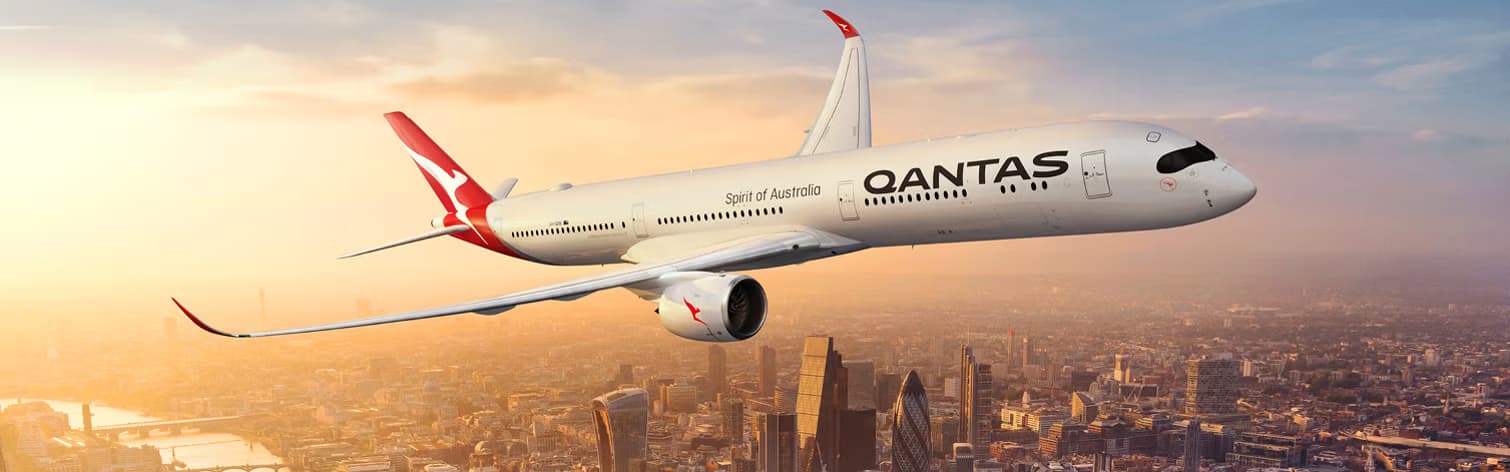
In October 2027, a Qantas aircraft will take off from Sydney and not touch the ground again until it lands in London — 22 hours and nearly 10,000 nautical miles later. It will be the longest commercial flight ever flown. This is the story of how a decade-long engineering challenge finally became a confirmed departure date.
1.0 What is Project Sunrise?
Project Sunrise is Qantas's codename for one of the most ambitious undertakings in commercial aviation history: nonstop flights connecting Australia's east coast directly to London and New York. Both cities sit almost exactly on the opposite side of the globe from Sydney, making them the two longest-standing "impossible" routes in long-haul aviation.
The name itself comes from the flight profile on the eastbound route, passengers on board will witness two sunrises during a single flight, an experience only a handful of ultra-long-haul routes in the world can offer. It's a small detail, but it captures the spirit of the project: turning something previously thought impossible into a defining feature of the journey.
On 18 June 2026, after nearly a decade of development, Qantas Group CEO Vanessa Hudson confirmed in Toulouse, France, that the new non-stop flights will cut up to four hours off the travel time compared to current one-stop services, with daily nonstop Sydney–London flights beginning in October 2027, followed by Sydney–New York a few months later in late 2027.
Since we first flew the Kangaroo Route in 1947, where we stopped seven times on the way to London, every generation of aircraft has taken a stop out of the journey.
Vanessa Hudson, CEO, Qantas Group
2.0 The decade-long road to October 2027
Project Sunrise has had one of the longest gestation periods of any commercial aviation programme in recent memory not because the idea was complicated to conceive, but because it required an aircraft that, for most of the last decade, simply didn't exist.
2017- The challenge is issued
Qantas announces plans to conquer "the final frontier of aviation" — nonstop flights from Australia's east coast to London and New York and challenges both Airbus and Boeing to build an aircraft capable of the job.
2019- Research flights begin
Qantas operates three research flights using Boeing 787-9 Dreamliners on the exact routes in question, carrying scientists, pilots, cabin crew, and volunteer passengers to study sleep, nutrition, movement, and fatigue across journeys of up to 20 hours.
2022- The aircraft is chosen
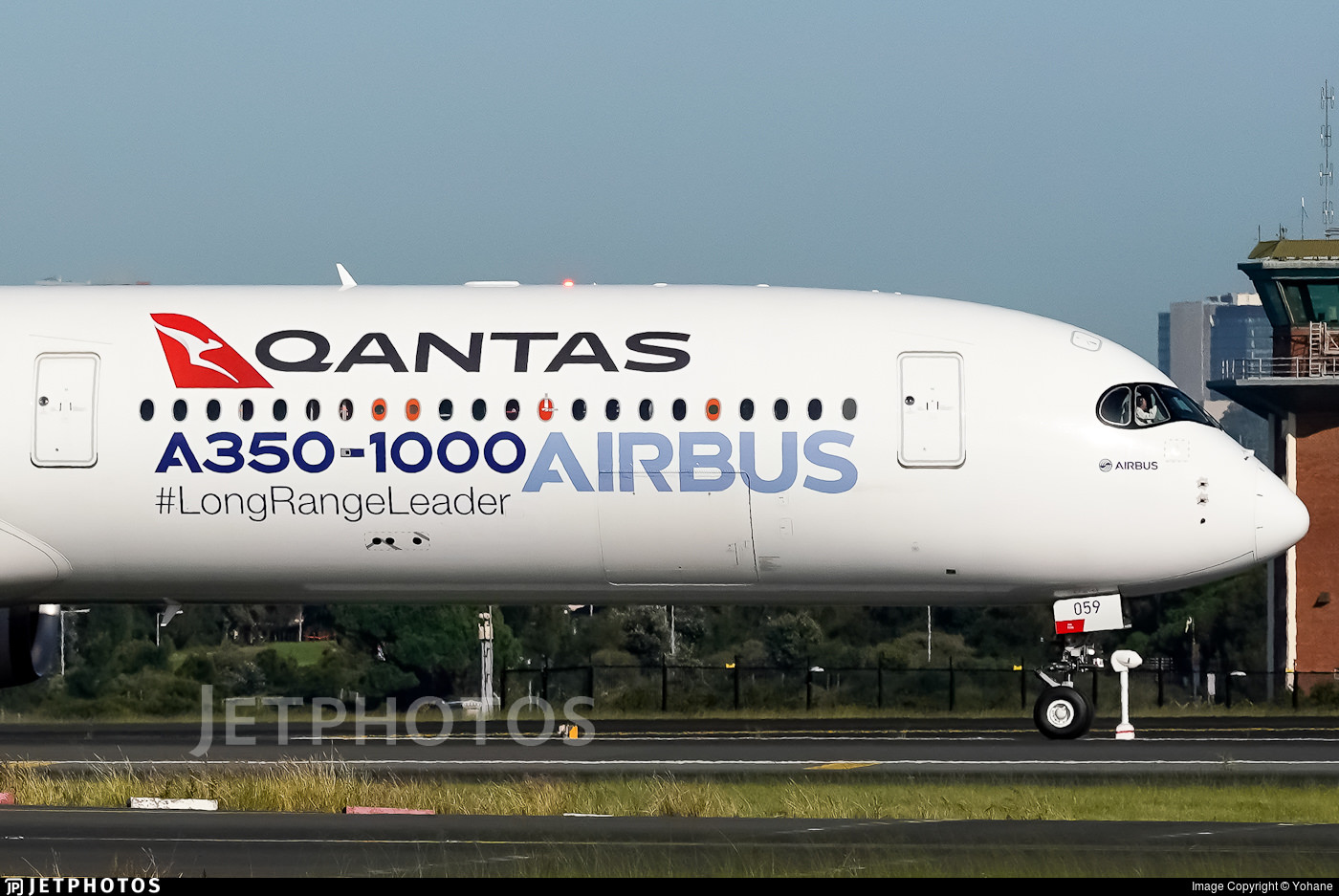
Qantas places a firm order for 12 Airbus A350-1000ULR aircraft a bespoke ultra-long-range variant developed specifically to meet Project Sunrise's range requirement.
2023- Project Fysh adds capacity
Qantas orders an additional 12 standard A350-1000 aircraft (without the ultra-long-range fuel tank) for future long-haul routes beyond Project Sunrise, under a related programme named "Project Fysh."
June 2026- First aircraft takes flight
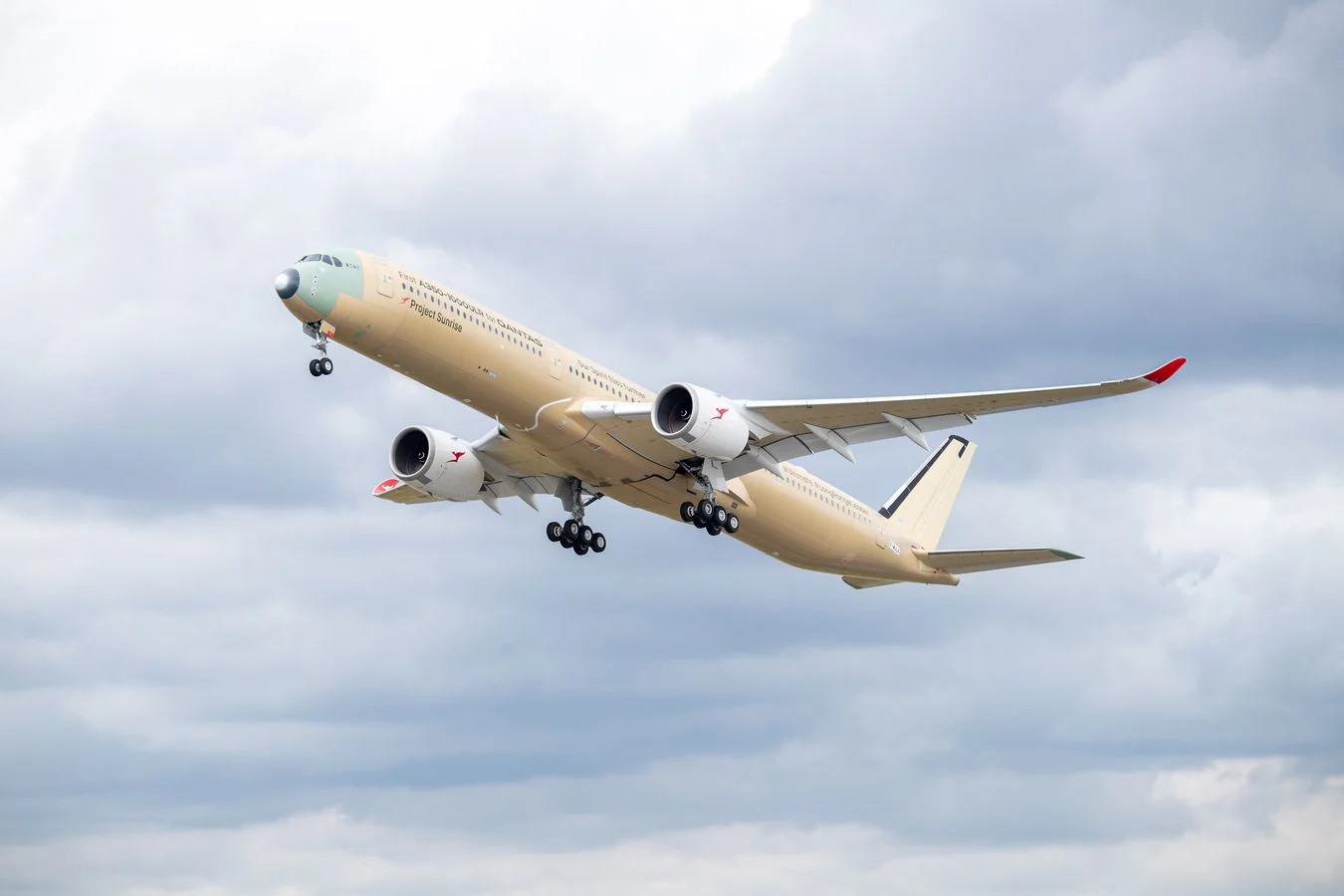
The first A350-1000ULR (registration MSN707), named Vega, completes its maiden test flight from Toulouse, France. Qantas unveils the aircraft in full livery and confirms October 2027 as the launch date for Sydney–London.
April 2027- First aircraft delivered
Following certification, the first A350-1000ULR is scheduled for delivery to Qantas, after which the airline begins crew training and route-proving exercises ahead of commercial launch.
October 2027- Commercial launch
Daily nonstop Sydney–London services begin, with tickets going on sale from February 2027. Sydney–New York follows later the same year.
3.0 The Airbus A350-1000ULR explained
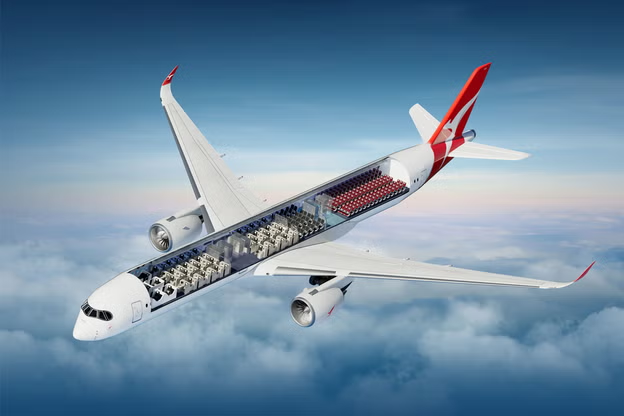
The aircraft making Project Sunrise possible is not a standard A350-1000 — it is a dedicated variant built specifically for Qantas, designated the A350-1000ULR, where ULR stands for Ultra Long Range. Airbus describes it as the first commercial aircraft specifically designed to connect Australia to almost any city on Earth nonstop.
Specification | Details |
|---|---|
Maximum flight time | Up to 22 hours |
Range | Approximately 9,950 nautical miles / 18,400+ km |
Extra fuel capacity | 20,000-litre rear centre tank |
Total seats | 238 (lowest density of any A350-1000 in service) |
Cabin classes | Four — First, Business, Premium Economy, Economy |
Premium seat allocation | More than 40% of total seats |
Aircraft on firm order | 12 (plus 12 standard-range A350-1000s) |
First aircraft name | Vega — named after the Catalina flying boat that flew the original WWII-era Indian Ocean route to keep Australia connected to the world |
Maiden test flight | June 2, 2026, Toulouse, France |
Expected delivery | April 2027 |
The defining engineering change is the rear centre fuel tank a permanent, conformal structure built into the belly of the fuselage that adds 20,000 litres of additional fuel capacity. This single modification extends the standard A350-1000's range by roughly 1,000 nautical miles, just enough to put both Sydney–London and Sydney–New York within safe operating limits, including the mandatory fuel reserves required for diversions.
Modified fuel system
Beyond the new tank itself, the fuel distribution and management system has been redesigned to handle the additional load and maintain correct centre-of-gravity balance throughout a 22-hour flight as fuel burns off.
New galley cooling architecture
A redesigned, lighter, and more efficient refrigeration system keeps catering safe and fresh across a flight roughly twice the duration of a typical long-haul sector — a technology Qantas says will eventually filter into future A350 deliveries fleet-wide.
Extensive flight test instrumentation
The first test aircraft carries more than a thousand specially designed sensors throughout the cabin, along with "dummy" passengers that simulate human body heat — allowing Airbus engineers to validate comfort and environmental performance before the cabin enters revenue service.
Enlarged crew rest compartments
Strategically repositioned and expanded crew bunks support the extended duty periods required for a 22-hour sector, which by necessity carries additional flight and cabin crew working in shifts.
4.0 The routes — and why London first
While both Sydney–London and Sydney–New York have always been the headline targets of Project Sunrise, there had been genuine industry speculation about which city would host the inaugural flight. London-Heathrow has now been confirmed as the launch destination, with New York's JFK following a few months later.
Sydney (SYD)- London (LHR) launching October 2027
Sydney (SYD)- New York (JFK) launching late 2027
These new services will operate alongside Qantas's existing Perth–London and Sydney–Singapore–London routes rather than replacing them, giving travellers a genuine choice between the fastest possible journey and existing one-stop options. Qantas research cited at the Toulouse announcement found that intent to book ultra long-haul, non-stop flights among Australians has risen from 58 to 70 per cent since February 2026, and reaches 80 per cent among premium travellers a significant shift in consumer appetite that underpins the commercial case for the route.
5.0 Inside the cabin: a different kind of long-haul
The most striking decision Qantas has made with Project Sunrise has nothing to do with engines or fuel tanks — it's the choice to fly fewer passengers. A standard Airbus A350-1000 typically seats 350 or more passengers. The Project Sunrise configuration carries just 238 — the lowest density of any A350-1000 flying anywhere in the world.
That decision serves two purposes. It offsets some of the additional weight from the rear fuel tank, and it creates the space needed for a fundamentally different onboard experience — one designed around the singular challenge of keeping people comfortable, healthy, and rested for almost an entire day in the air.
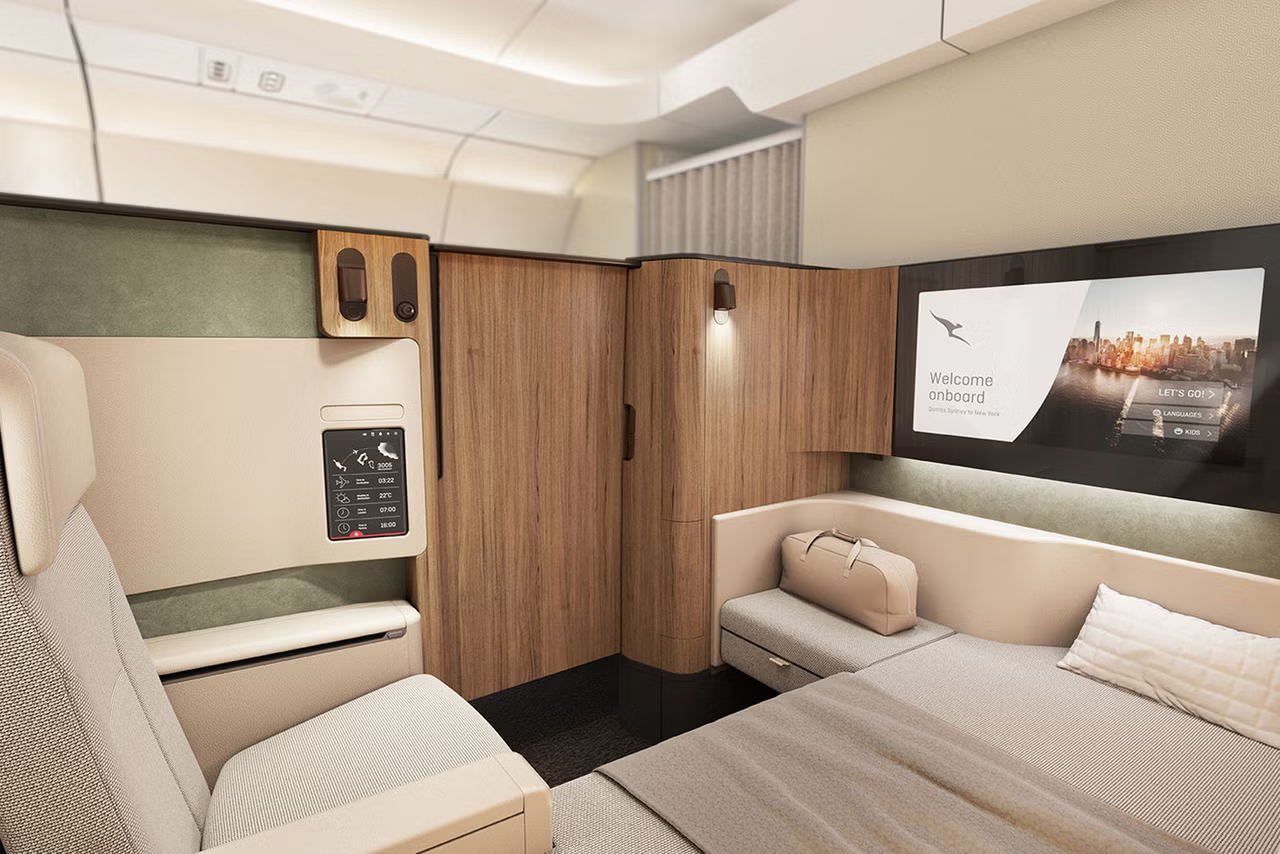
First- Six enclosed suites
Laid out in a 1-1-1 configuration with 57-inch walls and a sliding door, offering 50% more suite space than Qantas's existing A380 First Class suites.
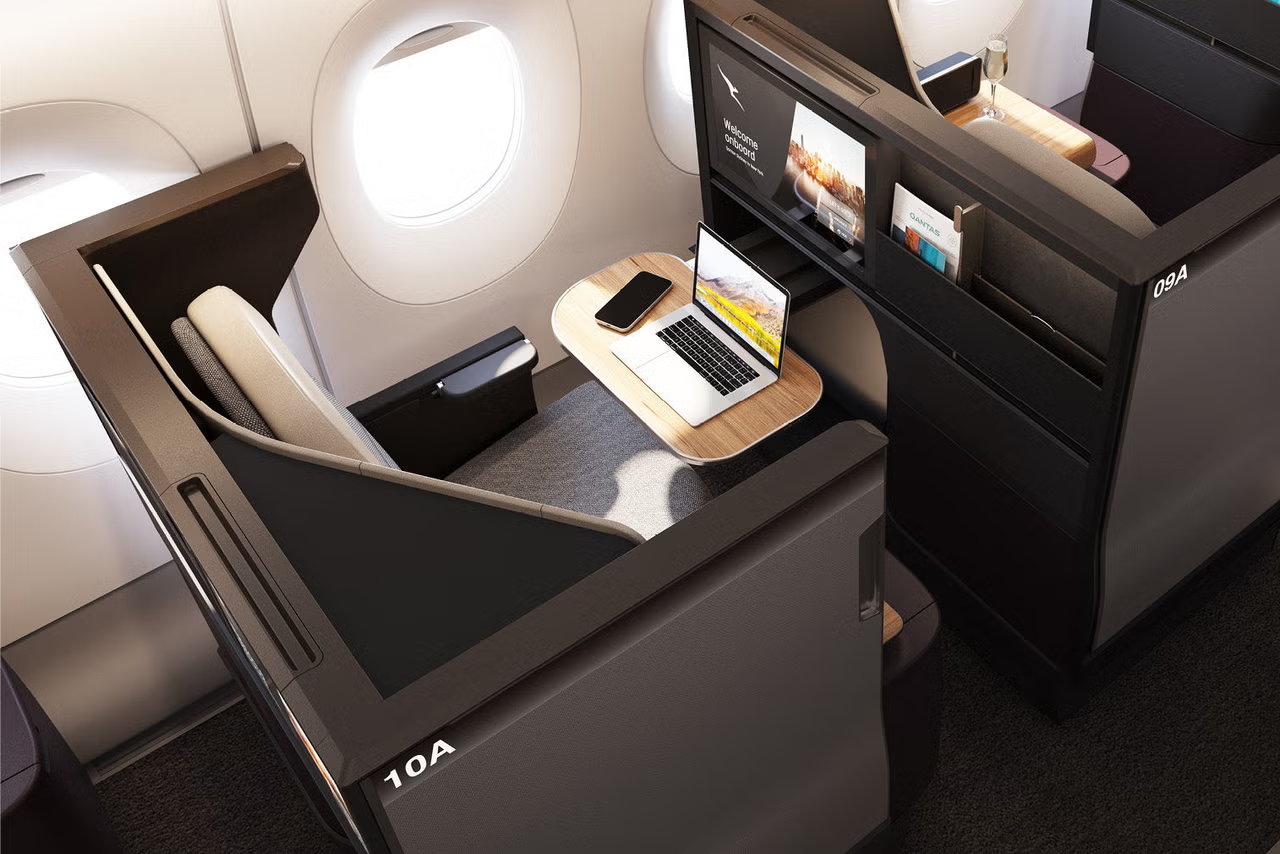
Business- Direct-aisle access
Part of the more than 40% of the aircraft dedicated to premium cabins across First, Business, and Premium Economy combined.
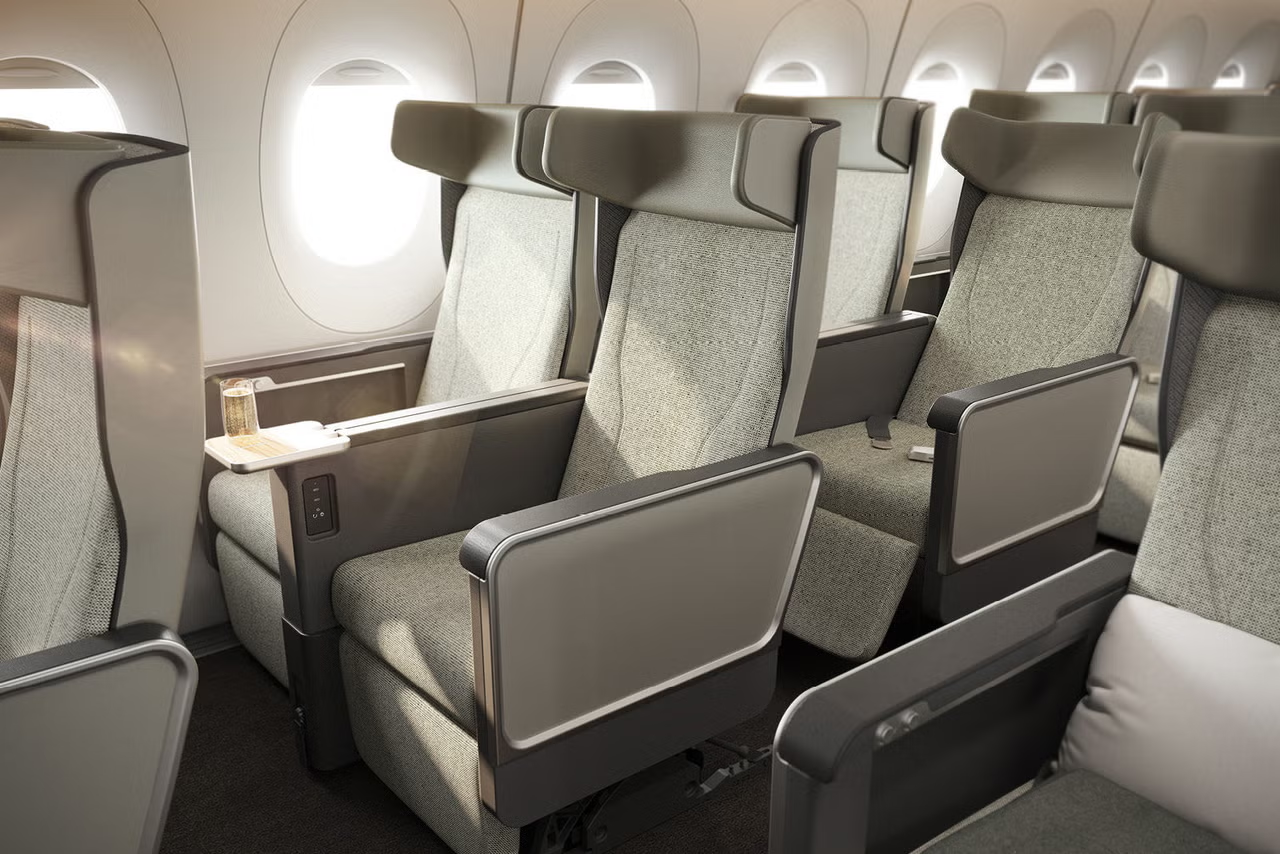
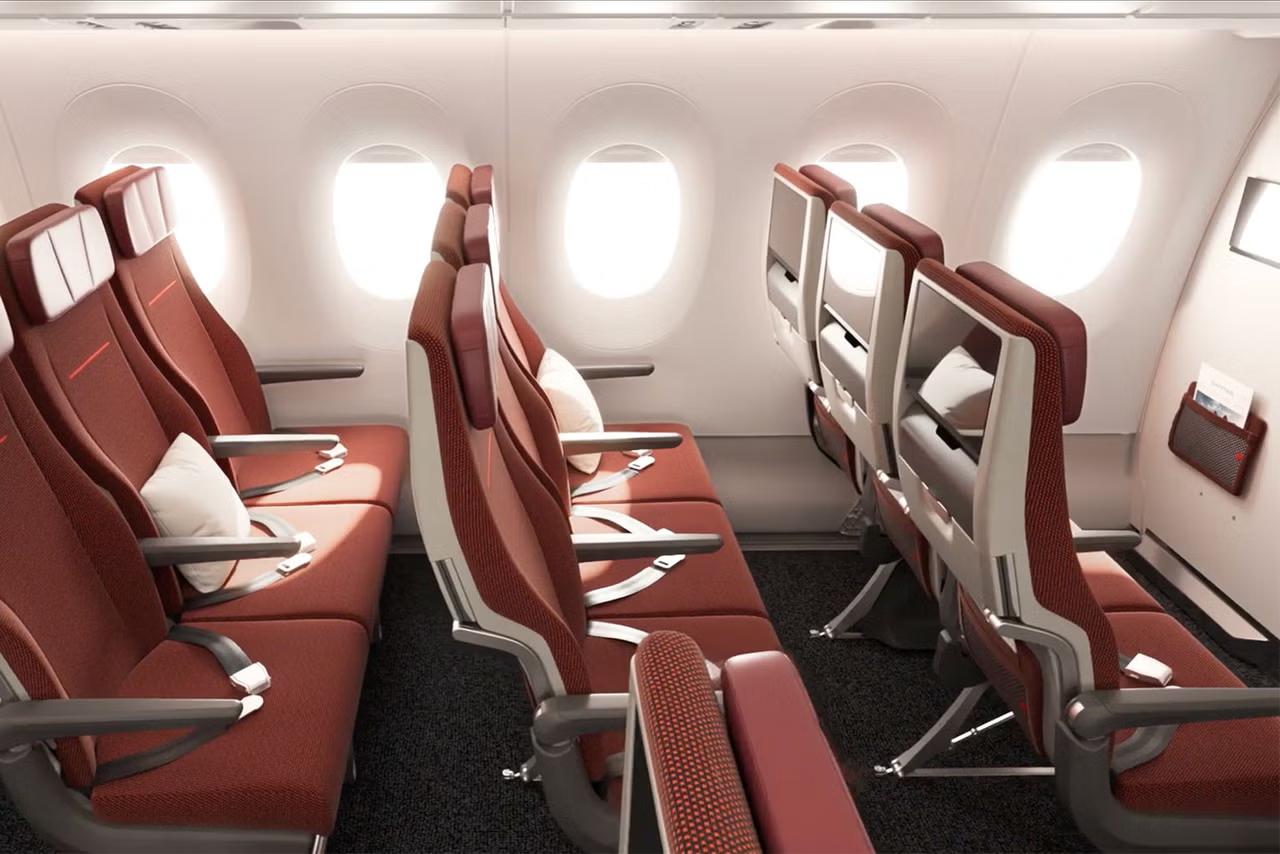
Premium Economy & Economy- Generous legroom, OLED screens
Both cabins feature 13-inch OLED entertainment screens, USB-C ports, wireless charging, and redesigned headrests, with notably more legroom than other A350 configurations flying today.
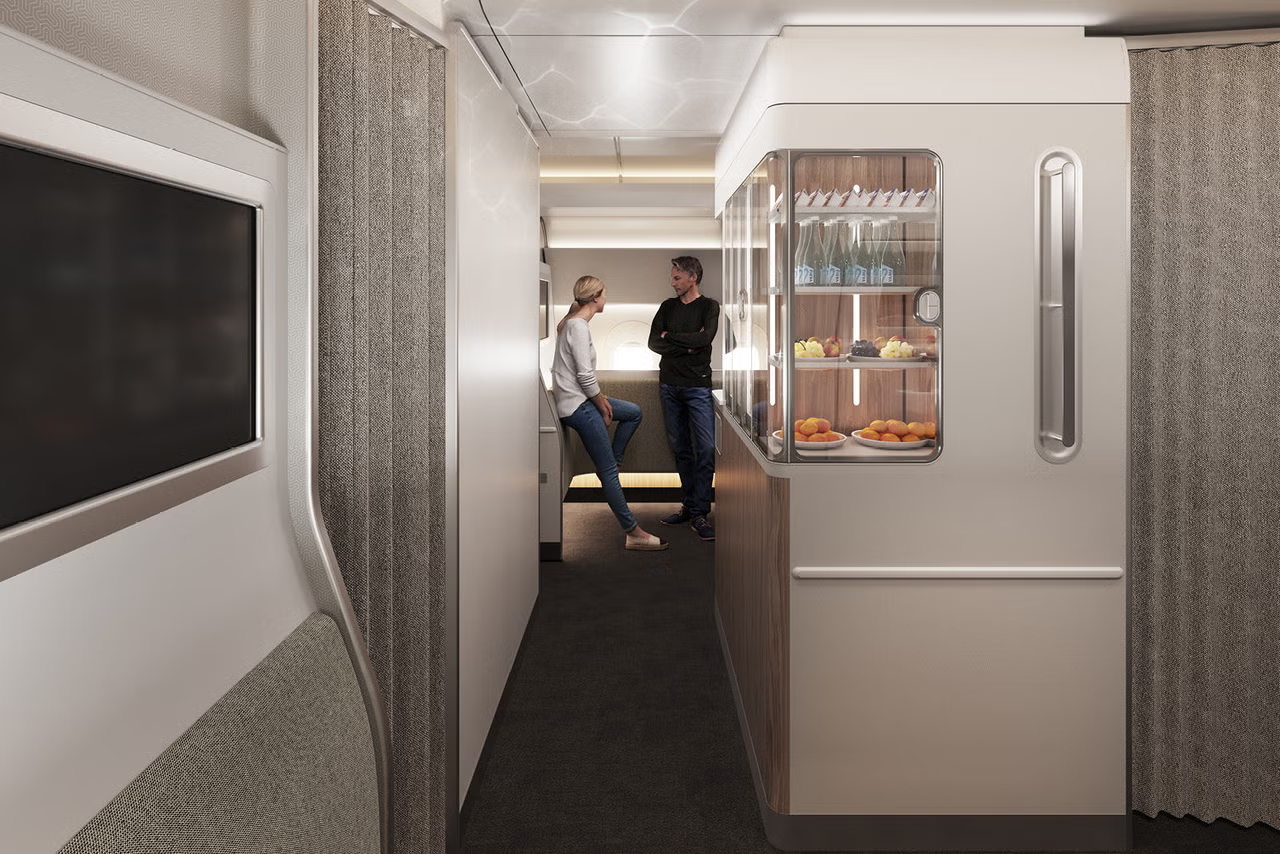
The Wellbeing Zone- A world-first onboard space
Located between Premium Economy and Economy, this stand-up area features sculpted wall panels with integrated stretch handles, a guided on-screen movement program, and a self-serve hydration and snack station.
The Wellbeing Zone is arguably the single most novel feature of the aircraft. It traces its origins directly back to the 2019 research flights, where Qantas's three Boeing 787-9 test flights had passengers conduct guided physical exercises in the rear galley — an improvised solution that proved popular enough to be engineered into a dedicated, purpose-built space on the A350-1000ULR.
6.0 The human science behind a 22-hour flight
A flight lasting nearly a full day raises questions that simply don't apply to a conventional long-haul sector.
How do you keep passengers' circadian rhythms from being completely scrambled?
How do you manage meal timing across multiple time zones in a single journey?
How do you prevent the physiological effects of prolonged immobility?
Qantas's answer has been to treat these as genuine research questions rather than afterthoughts. The three 2019 research flights — which carried scientists, sleep specialists, pilots, and volunteer passengers — generated data that directly shaped the cabin design choices on the A350-1000ULR.
1. Circadian lighting
The cabin features twelve distinct lighting scenes — including "Sunrise," "Sunset," and "Awake" — explicitly grounded in circadian-rhythm science. Rather than simply dimming or brightening the cabin, the lighting sequence is designed to help passengers' internal body clocks adjust toward their destination time zone over the course of the flight, a key strategy in reducing jet lag.
2. Meal timing and movement
Catering schedules on Project Sunrise flights are built around the destination's local time rather than departure time — encouraging passengers to eat (or avoid eating) in a pattern that supports faster adjustment after landing. Combined with the Wellbeing Zone's guided movement programs, the goal is to combat the combination of immobility and circadian disruption that makes ultra-long-haul flights so physically taxing.
3. Air quality and humidity
Advanced air filtration and humidity control systems aim to reduce the dehydration and respiratory discomfort that intensify over flights approaching a full day in duration — conditions that become significantly more noticeable past the 15-to-16-hour mark on a conventional long-haul aircraft.
7.0 The engineering and commercial challenges
Building an aircraft that can fly for 22 hours nonstop is only part of the challenge. Several deeper engineering and operational hurdles had to be solved before Project Sunrise could become commercially viable.
Weight versus range trade-off
Every additional litre of fuel adds weight, which in turn requires more fuel to carry that weight — a compounding problem in aircraft design. Qantas's solution was to reduce passenger count rather than add more fuel capacity indefinitely, directly trading seat revenue for achievable range.
Pilot and crew duty limits
Aviation regulators impose strict limits on how long flight crew can remain on duty. A 22-hour sector requires multiple sets of pilots and cabin crew working in rotation, supported by the aircraft's enlarged rest compartments — adding operating cost that a standard long-haul route never has to absorb.
Certification complexity
Because the A350-1000ULR includes a genuinely new fuel system, tank structure, and cabin environmental architecture, it requires its own dedicated certification process from EASA before entering revenue service — a process that has contributed directly to the programme's multi-year delays.
Fleet ramp-up requirement
Qantas has stated it needs a minimum of three A350-1000ULR aircraft in active service before it can sustain even a single daily route, once maintenance cycles and schedule reliability are factored in — explaining the gap between first delivery and commercial launch.
8.0 Why Project Sunrise matters
Project Sunrise represents something larger than a new route on a map. For nearly eighty years, the journey from Australia to Europe has been defined by stops — first seven of them in 1947, then progressively fewer as aircraft technology advanced, but never zero. Project Sunrise closes that chapter entirely.
It also signals a broader shift in how the aviation industry is approaching ultra-long-haul travel. Rather than simply maximising range and cramming in more seats, Qantas has built a commercial case around comfort, wellbeing, and the lived experience of spending nearly a full day in the air — treating passenger physiology as a design input rather than an inconvenience to be tolerated.
Whether Project Sunrise becomes the template for the next generation of ultra-long-haul aircraft, or remains a uniquely Australian solution to a uniquely Australian problem of geographic isolation, it has already pushed the entire industry to ask a harder question: not just how far can an aircraft fly, but how well can people travel inside it.
Key takeaway
Project Sunrise is not simply a longer flight — it is a complete rethink of what a long-haul flight should be. By October 2027, the eight-decade story of stopping somewhere on the way from Australia to the world will finally come to an end.
Test Your Knowledge!
Click the button below to generate an AI-powered quiz based on this article.
Did you enjoy this article?
Show your appreciation by giving it a like!
Conversation (0)
Cite This Article
Generating...