Technology
The Evolution of Cloud Infrastructure
Beyond the Machine - The Evolution of Cloud Infrastructure
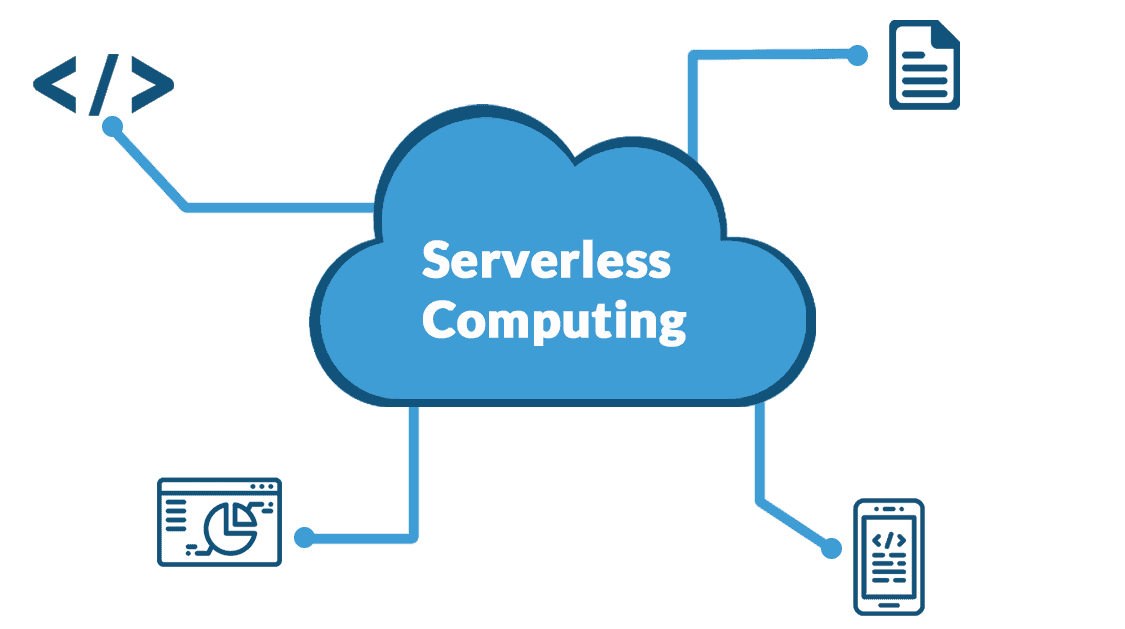
The term "Serverless" is often misleading to newcomers because, in reality, there are still physical servers running in a data center somewhere. The name actually refers to the developer's experience you no longer have to manage, provision, or even see those servers. In traditional cloud computing, you would rent a virtual machine and be responsible for its upkeep regardless of whether your code was actually running. Serverless takes this abstraction a step further by allowing you to upload your code as individual functions that only exist when they are needed. This evolution marks a transition from managing "pets" (individual servers that need constant care) to managing "cattle" (disposable resources), and finally to "liquid" infrastructure that flows and disappears based on demand.
Understanding Function as a Service (FaaS)
At the heart of the serverless movement is a concept called Function as a Service, or FaaS. Instead of deploying a giant, monolithic application that stays "on" all the time, you break your logic down into small, independent functions like a single API endpoint for user registration or a script that processes an image upload. These functions are event-driven, meaning they sit dormant until a specific trigger occurs, such as an HTTP request from a user or a new file being added to a database. When the trigger happens, the cloud provider instantly spins up a container, executes your code, and then destroys the container immediately afterward. This ephemeral nature is what makes serverless so different from traditional backend development.
The Operational Benefits - Automatic Scaling and Cost Efficiency
One of the most compelling reasons to adopt serverless architecture is the concept of automatic, infinite scaling. In a traditional setup, if your application suddenly receives a massive spike in traffic, your server might crash unless you have pre-configured complex load balancers and extra capacity. With serverless, the cloud provider simply spins up as many instances of your function as needed to handle the incoming requests simultaneously. Furthermore, the pricing model shifts from "pay-per-hour" to "pay-per-execution." If your function runs for 200 milliseconds and then stops, you only pay for those 200 milliseconds. If no one uses your app at 3:00 AM, your infrastructure costs are exactly zero, which is a massive advantage for startups and student projects.
Navigating the Challenges - Cold Starts and State Management
Despite the many advantages, serverless computing introduces a unique set of technical challenges that engineers must learn to navigate. The most famous issue is the "Cold Start," which occurs when a function hasn't been used recently and the cloud provider has to take a few seconds to spin up a new environment from scratch. This can lead to unexpected latency for the first user who hits your API after a period of inactivity. Additionally, because serverless functions are "stateless" meaning they disappear as soon as they finish running you cannot store data in local variables or memory for the next request. Every piece of information must be saved to an external database or cache like Redis, which requires a more disciplined approach to how you manage data flow.
Why Serverless is the Future for Junior Developers
For university students and junior developers, serverless represents the ultimate "speed to market." It allows you to build and launch production-grade applications without needing a degree in DevOps or System Administration. By utilizing services like AWS Lambda, Google Cloud Functions, or Supabase Functions, you can focus on the logic that solves a problem rather than the pipes that carry the data. Mastering serverless architecture early in your career demonstrates that you are thinking about the future of the industry a future where developers are judged not by how well they manage a server, but by how efficiently they can deliver value through their code.
Test Your Knowledge!
Click the button below to generate an AI-powered quiz based on this article.
Did you enjoy this article?
Show your appreciation by giving it a like!
Conversation (0)
Cite This Article
Generating...