Science
The Fascinating Role of the Gut Microbiome in Human Health and Disease
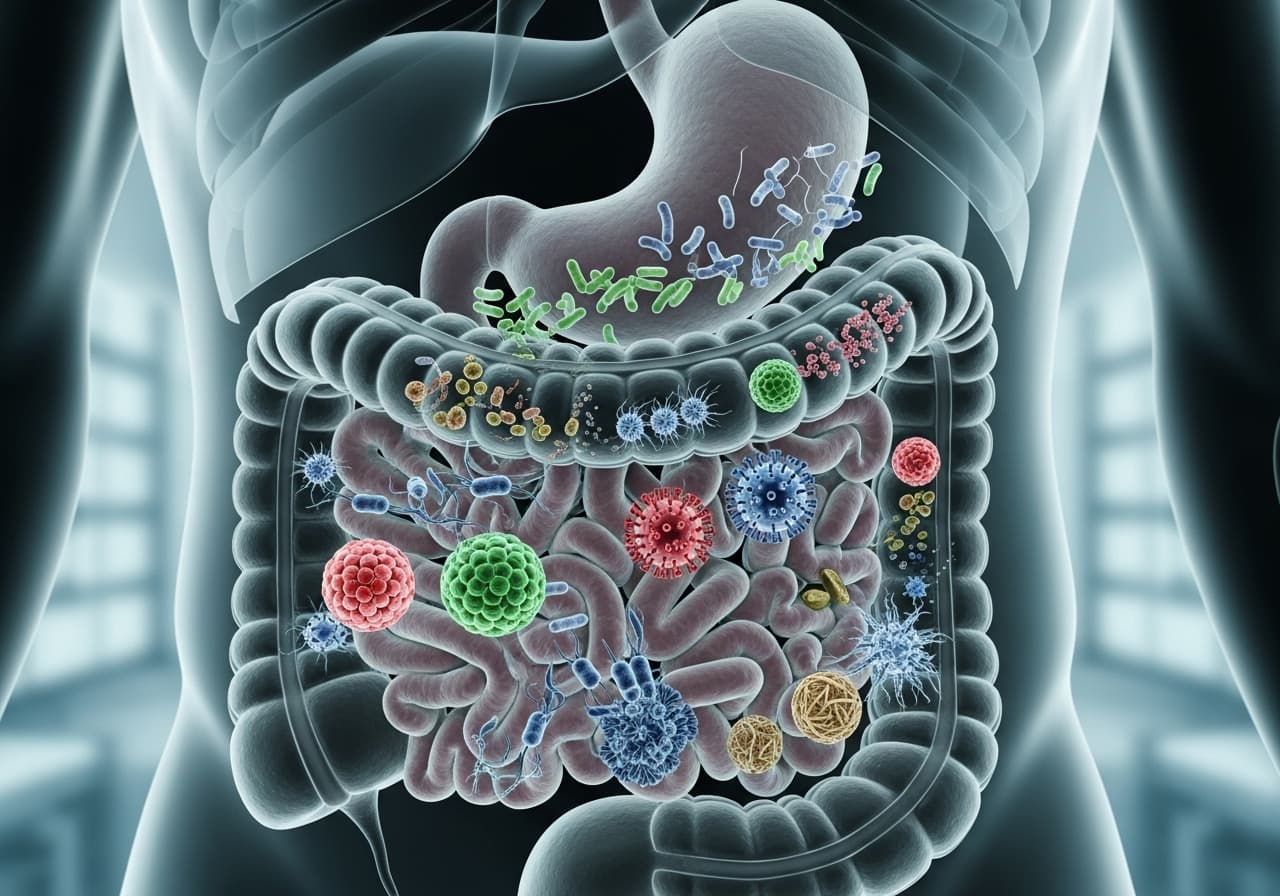
The human gut is home to trillions of tiny microorganisms collectively known as the gut microbiome. These include bacteria, viruses, fungi, and other microbes which play essential roles in digestion, nutrient absorption, immune system regulation, and even mental health. Recent research has made it clear that gut microbiomes are much more than a passive part of our body, it actively influences many aspects of our health and can even play a role in the development or prevention of certain diseases (Niu, 2025).
One of the most important functions of the gut microbiome is helping us break down complex carbohydrates and dietary fibers that our bodies cannot digest on their own. The microbes ferment these fibers into short-chain fatty acids (SCFA), which have many positive effects such as protecting gut barrier integrity and supporting our immune system (Zeng, 2025). In fact, microbiomes help synthesize vital vitamins like vitamin K and certain B vitamins, both critical for physiological processes like clotting blood and maintaining energy levels (Hudson Institute of Medical Research, 2025).
Recent discoveries have shown that there are hundreds of previously unknown viruses living within the gut. These “bacteriophages” infect bacteria and may control the delicate balance of microbial communities in the intestine, affecting gut diseases such as inflammatory bowel disease (IBD). New genetic engineering tools are allowing researchers to study these viral populations in detail, which could lead to future therapies that target specific bacteria or viruses in the gut (Barr et al., 2025).
The composition of the gut microbiome isn’t the same for everyone it is shaped by diet, lifestyle, environment, age, and medication use. A balanced microbiome contains a wide variety of beneficial bacteria, such as Faecalibacterium prausnitzii, Bifidobacteria, and Lactobacillus. Disruption of this balance, called dysbiosis, is linked to metabolic disorders like obesity and diabetes, digestive diseases like Crohn’s and ulcerative colitis, and even brain conditions such as depression and Parkinson’s disease (Yang et al., 2025).
Excitingly, gut microbiome research is leading to new ways of treating and preventing disease, including the use of probiotics, dietary changes, prebiotics, and even fecal microbiota transplants. These approaches aim to restore a healthy microbiome and improve overall health. Ongoing studies are also exploring how herbal medicines and functional foods rich in fiber and polyphenols can support gut health and lower the risk of heart disease and metabolic problems (Lyu, 2017).
In summary, the gut microbiome is a biological powerhouse. Looking after it, through a balanced diet, healthy lifestyle, and, when needed, targeted medical interventions, can help support digestive health, immunity, and even protect against a variety of diseases.
Test Your Knowledge!
Click the button below to generate an AI-powered quiz based on this article.
Did you enjoy this article?
Show your appreciation by giving it a like!
Conversation (0)
Cite This Article
Generating...