Technology
The Modern Delivery Engine - Demystifying Agile, Scrum, and DevOps Methodologies
Moving Past the Waterfall - The Rise of Agile
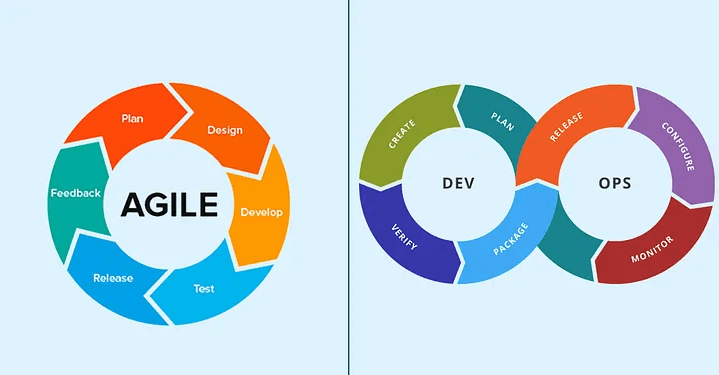
In the early decades of software development, teams relied heavily on a traditional approach known as the Waterfall model. This method required engineers to spend months gathering requirements, creating exhaustive design documents, and writing code in isolation before ever showing the product to a customer. If a business requirement changed halfway through the process, reversing course was incredibly costly and often resulted in failed projects. The Agile methodology emerged as a direct response to this rigidity, shifting the industry toward an iterative, flexible philosophy. Instead of delivering one giant software release at the very end, Agile teams break down a project into small, manageable increments, allowing developers to gather frequent user feedback and adapt to shifting goals seamlessly.
Scrum - The Framework for Team Collaboration
While Agile defines the high-level philosophy of flexibility and continuous feedback, teams need a concrete blueprint to put those ideas into practice every day. Scrum is the most widely adopted framework that translates Agile values into structured, real-world team behaviors. In a Scrum environment, work is divided into fixed timeblocks called Sprints, which typically last between two and four weeks. Before a Sprint begins, the team selects a realistic batch of features from a prioritized list called the Product Backlog. During the Sprint, the team meets for a brief daily standup meeting to sync on progress and identify roadblocks, ensuring that everyone remains aligned and moving toward a shipping-ready goal by the end of the timeblock.
Defining Key Roles within the Scrum Team
For a Scrum team to function efficiently, responsibilities are clearly divided among three critical roles that eliminate confusion and maintain momentum. The Product Owner acts as the voice of the customer, managing the product backlog and deciding what features need to be built based on business value. The Developers are the engineering backbone, responsible for the technical implementation and determining how to turn those requirements into working software. Finally, the Scrum Master acts as a coach and facilitator rather than a traditional boss. The Scrum Master's primary job is to shield the development team from external distractions, run the core meetings, and systematically remove any technical or bureaucratic obstacles that slow down progress.
DevOps - Bridging the Gap Between Code and Deployment
Even with an efficient Scrum framework, software teams historically ran into a major bottleneck after the code was technically finished. Developers would write features quickly, but the operations team responsible for server stability would struggle to deploy them safely, creating friction between speed and reliability. DevOps, short for Development and Operations, is a cultural and technical movement designed to tear down this wall. By integrating automation directly into the engineering workflow, DevOps makes shipping code a shared, automated responsibility. Through continuous monitoring and automated deployment pipelines, software shifts from being an item handed over to another department into a continuous, flowing loop of delivery.
The Synergy - How Agile, Scrum, and DevOps Connect
A common point of confusion for university students is figuring out how these three methodologies fit together without stepping on each other's toes. The clearest way to view them is as a stack of complementary layers: Agile is the mindset, Scrum is how the team organizes their time and meetings, and DevOps is the technical engine that automates the actual deployment. When used together, Scrum helps your team decide what features to build and keeps the developers collaborative during a two-week Sprint, while DevOps ensures that the moment a feature is approved, it is automatically tested and deployed to live users without manual delays.
Why Process Literacy Matters for Future Engineers
When you are working on university assignments, it is easy to assume that software engineering is entirely about writing code and solving compiler errors. However, when you enter the professional tech industry, you quickly realize that how a team collaborates is just as critical to a project's success as the architecture of the codebase itself. Graduating with a solid understanding of Agile cycles, Scrum rituals, and DevOps automation shows engineering leaders that you are ready to contribute to a production team from day one. By embracing these workflows early in your personal or group projects, you shift your focus from simply writing isolated scripts to delivering continuous, predictable value to real users.
Test Your Knowledge!
Click the button below to generate an AI-powered quiz based on this article.
Did you enjoy this article?
Show your appreciation by giving it a like!
Conversation (0)
Cite This Article
Generating...