Science
The Story Written in Our Cells - A Friendly Guide to Genetics and Genomics

Every cell in your body carries a story. It’s written in a chemical language called DNA, and it quietly shapes everything from your eye colour and height to your risk of certain diseases. Genetics and genomics are the sciences that read, interpret, and sometimes even edit this story. They sound complicated, but at their core they are about one simple question: how does information in our cells influence life?
Genetics - Looking at Single Chapters
Genetics focuses on individual genes specific chapters in the DNA book. A gene is a segment of DNA that gives instructions for making a particular protein, and proteins are the tiny machines that keep our cells and organs working.
Small changes in a gene which are called as variants or mutations can sometimes change how a protein works. Some of these changes have little or no effect, while others can increase the risk of a disease or influence traits, like whether you can roll your tongue or how you metabolize certain medicines.
Classical genetics often looks at patterns in families:
- Why do some conditions, like cystic fibrosis or sickle cell disease, run strongly in families?
- Why might two healthy parents have a child with a genetic condition?
By studying how traits are passed down, geneticists build rules like dominant and recessive inheritance that help explain who is likely to inherit what.
Genomics - Stepping Back to See the Whole Book
If genetics is about individual chapters, genomics is about reading the entire book the full set of DNA in an organism, called the genome. Instead of looking at just one gene at a time, genomics studies thousands or millions of DNA positions together to see how they interact.
The completion of the Human Genome Project in the early 2000s was a turning point. For the first time, scientists had a reference map of most of the human DNA sequence. Since then, new technologies have made sequencing faster and cheaper, allowing researchers to compare genomes across many people, and even across species.
Genomics helps answer questions like:
- Which combinations of genetic differences are linked to a higher risk of diabetes or heart disease?
- How do cancer cells’ genomes change as a tumour grows or responds to treatment?
- How are different populations around the world related, and how did humans migrate over time?
DNA, Genes, and Chromosomes - The Basic Language
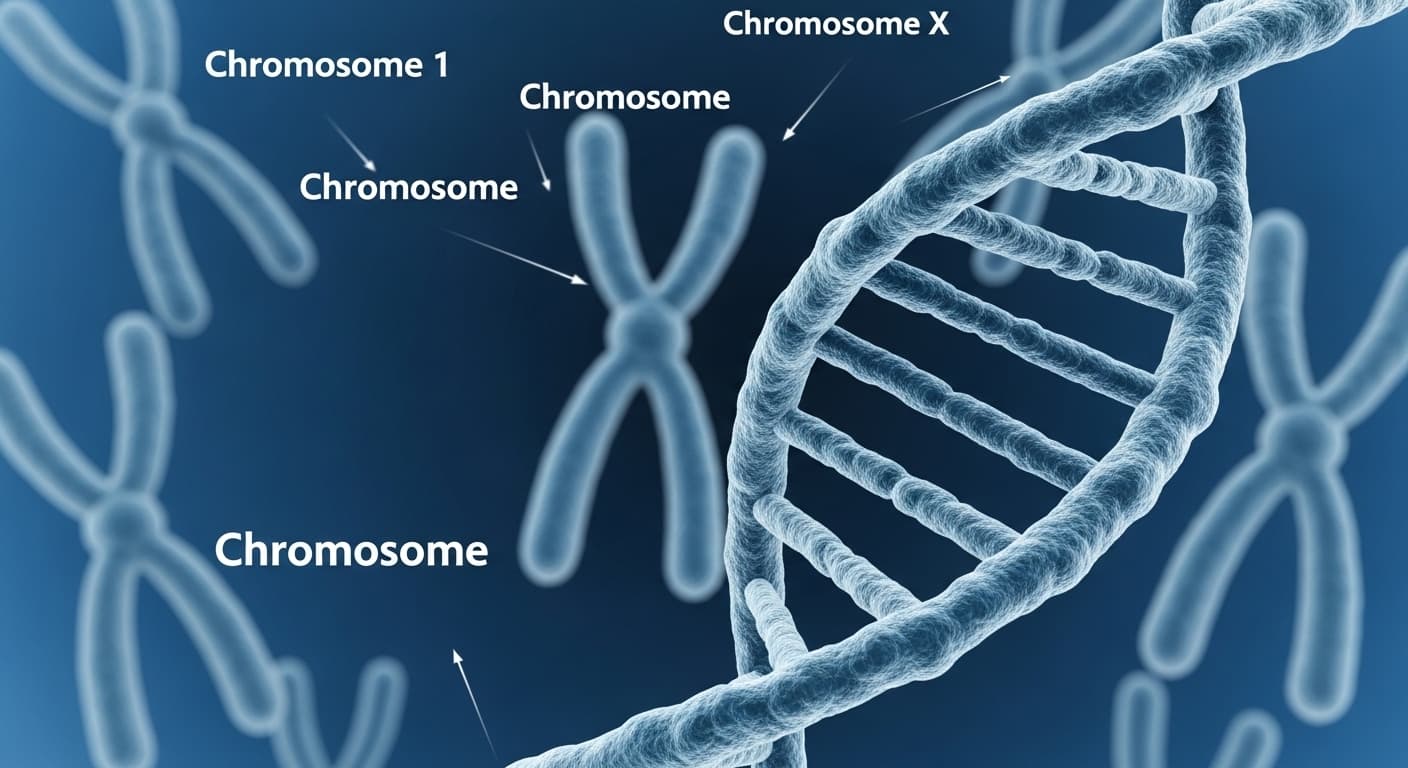
The DNA itself is made from four chemical letters. The order of these letters forms genes, and genes form larger regions across the genome. Sometimes, tiny changes swapping one letter for another are enough to alter how a gene works. In other cases, bigger changes like missing or extra chunks of DNA can have effects.
Despite this complexity, it is important to remember: genetics is not destiny. Most traits and diseases come from a combination of genes + environment + lifestyle.
How Genetics and Genomics Help in Medicine
Modern healthcare is steadily moving toward personalized or precision medicine, and genetics/genomics are at the heart of this shift.
- In diagnostics, a genetic test can help confirm the cause of a rare disease when symptoms alone are confusing. For children with developmental delays or unusual symptoms, whole‑exome or whole‑genome sequencing sometimes finds a genetic explanation after years of uncertainty.
- In cancer, genomic tests can analyze the DNA of a tumour to see which mutations are driving its growth. This can guide doctors to choose targeted therapies that specifically block those changes, rather than relying only on broad treatments.
- In pharmacogenomics, certain genetic differences help predict how someone will respond to a drug whether they will break it down too quickly, too slowly, or be at higher risk for side effects. In the future, it may become normal to choose a medicine and dose partly based on your genetic profile.
These tools don’t replace clinical judgement, but they add another layer of information to help doctors choose the right treatment, at the right time, for the right person.
Beyond Humans - Genomics in Everyday Life
Genomics doesn’t stop at people. It is used in:
- Infectious disease: Sequencing viruses and bacteria helps track outbreaks, understand how pathogens spread, and spot new variants early.
- Agriculture: Plant and animal genomes are studied to breed crops that are more nutritious, resistant to drought, or less vulnerable to pests, and livestock with improved health.
- Conservation biology: Genomic data can show how much genetic diversity remains in endangered species, guiding breeding and protection strategies.
In each case, the same idea is at work: by reading the DNA, we understand the biology better and can make more informed decisions.
Ethics, Privacy, and Responsibility
With powerful tools come serious responsibilities. Genetics and genomics raise important ethical questions:
- Privacy: Your genome is deeply personal. Who should have access to it just you, your doctor, your insurer, researchers?
- Discrimination: If someone knows your genetic risks, could this be misused to deny you a job or insurance, or to treat you unfairly?
- Informed consent: People should understand what a genetic test can and cannot tell them, and what will happen to their data, before they agree.
- Gene editing: New technologies, such as CRISPR, make it easier to change DNA. While this holds promise for treating some genetic diseases, it also raises concerns about editing embryos, designer babies, and long‑term effects we don’t fully understand yet.
Because of these issues, genetics and genomics are tightly linked to bioethics, law, and public policy. It’s not just a question of what science can do, but what society decides it should do.
A New Kind of Literacy
In the end, genetics and genomics are about understanding the story written in our cells but also about recognizing that we still shape our own lives through choices, communities, and environments. The DNA script provides the starting point, not the whole story.
Test Your Knowledge!
Click the button below to generate an AI-powered quiz based on this article.
Did you enjoy this article?
Show your appreciation by giving it a like!
Conversation (0)
Cite This Article
Generating...