Science
Healing with Technology- How Biomedical Engineering Is Changing Modern Medicine
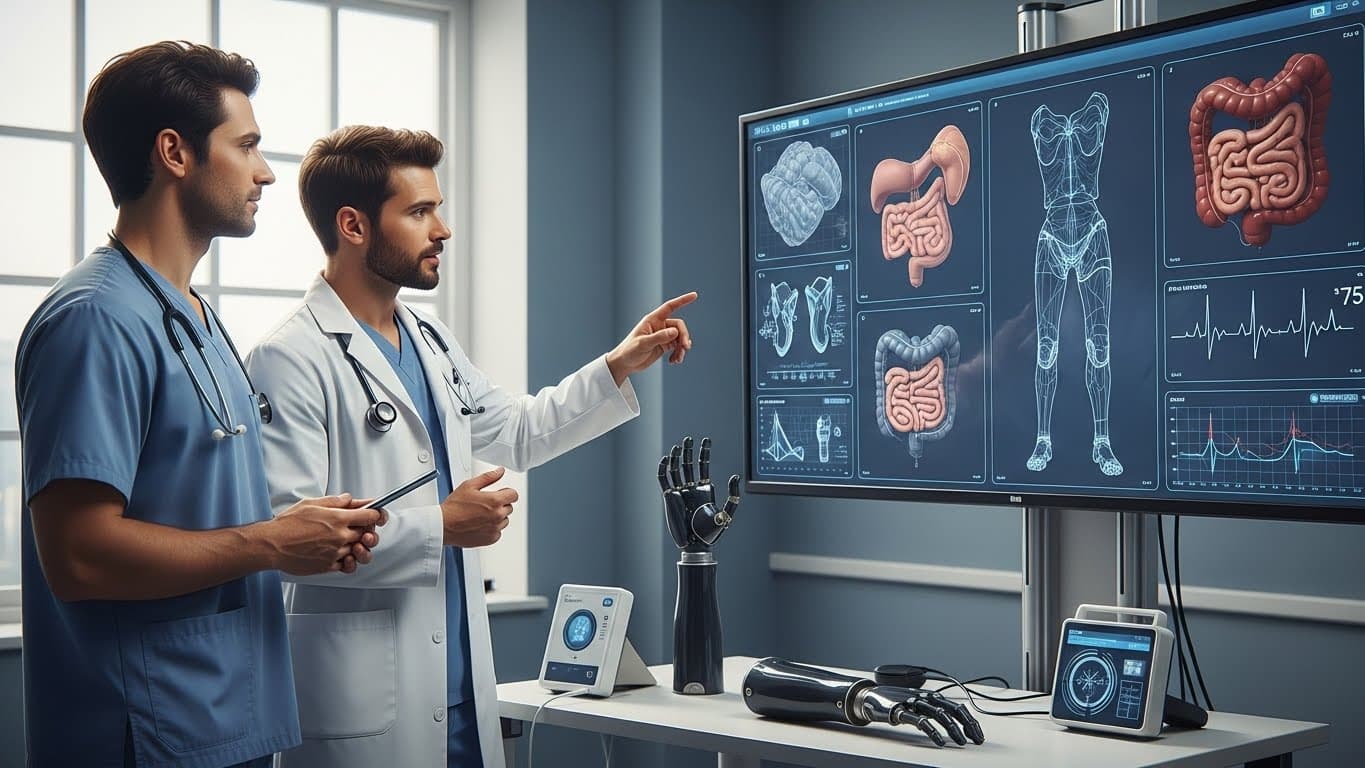
Biomedical engineering sits at the intersection of medicine, biology, and engineering, bringing together ideas from all three to improve human health. Instead of focusing only on drugs or surgery, it looks at how devices, materials, and smart systems can diagnose, treat, and even prevent disease. This makes it one of the most exciting and fast moving areas in today’s healthcare landscape, with innovations that directly change how patients live and recover.
One major area of biomedical engineering is medical devices that support or replace body functions. Pacemakers help regulate abnormal heart rhythms, while implantable defibrillators can correct dangerous arrhythmias in seconds. Artificial joints for hips and knees allow people with severe arthritis to walk without pain, using advanced materials that are strong, lightweight, and safe inside the body. Even simple looking tools like insulin pumps are the result of careful engineering, combining sensors, software, and tiny mechanical parts to deliver the right dose at the right time.
Another powerful field is medical imaging and diagnostics. Engineers help design and improve technologies such as MRI, CT, ultrasound, and PET scans so doctors can see inside the body without surgery. Newer imaging systems use better detectors, faster computing, and AI powered analysis to spot disease earlier and more accurately. For example, some tools can highlight suspicious areas in mammograms or lung scans, helping radiologists catch cancers at earlier, more treatable stages. Point of care devices, small machines that can test blood, detect infections, or monitor vital signs at the bedside or at home, also come from biomedical engineering, making healthcare more accessible and timelier.
Biomedical engineers are also driving progress in prosthetics and bionics. Modern prosthetic limbs can be lightweight, personalized, and in some cases controlled by muscle signals or even nerve activity. This means a person can move an artificial hand just by thinking about opening or closing it. Bionic exoskeletons support people with spinal cord injuries or muscle weakness, helping them stand and walk again. These devices combine robotics, sensors, battery technology, and ergonomic design to restore independence and improve quality of life.
A closely related area is tissue engineering and regenerative medicine. Here, engineers work with cells, biomaterials (like special gels and scaffolds), and growth factors to repair or replace damaged tissues. Lab grown skin can help burn patients, while engineered cartilage may be used to repair joints. Researchers are also exploring 3D bioprinting using printers that deposit layers of living cells and biomaterials to build tissue structures that could one day help replace or support failing organs. Although many of these applications are still in research or early clinical stages, they point toward a future where the body can be repaired from within using its own cells and carefully designed support structures.
Biomedical engineering also plays a key role in digital health and wearable technology. Fitness trackers, smartwatches, and medical wearables monitor heart rate, sleep, oxygen levels, movement, and more. In clinical settings, remote monitoring systems track patients with chronic diseases like heart failure or diabetes, sending data to doctors in real time and alerting them to early warning signs. Combining sensors, wireless communication, and data analysis allows healthcare providers to move from reactive care, treating problems after they appear, to more proactive, preventive care.
Importantly, every biomedical engineering innovation must consider safety, ethics, and accessibility. Devices and systems need to be tested carefully to ensure they do not harm patients, and they must meet strict regulatory standards before clinical use. Engineers and clinicians also think about privacy (especially with data driven and connected devices), fairness in who can access new technologies, and long term effects on health and society. Designing solutions that are effective, affordable, and easy to use in different settings including low resource hospitals and clinics, is a growing priority.
Altogether, biomedical engineering innovations are reshaping healthcare from the inside out, making diagnoses faster, treatments more precise, and daily life easier for people living with illness or disability. As technology continues to advance, this field will keep opening new possibilities for healing, recovery, and a better quality of life for patients around the world.
Test Your Knowledge!
Click the button below to generate an AI-powered quiz based on this article.
Did you enjoy this article?
Show your appreciation by giving it a like!
Conversation (0)
Cite This Article
Generating...