Science
Psychological Well-Being and Performance: Why Mental Health Matters for Productivity
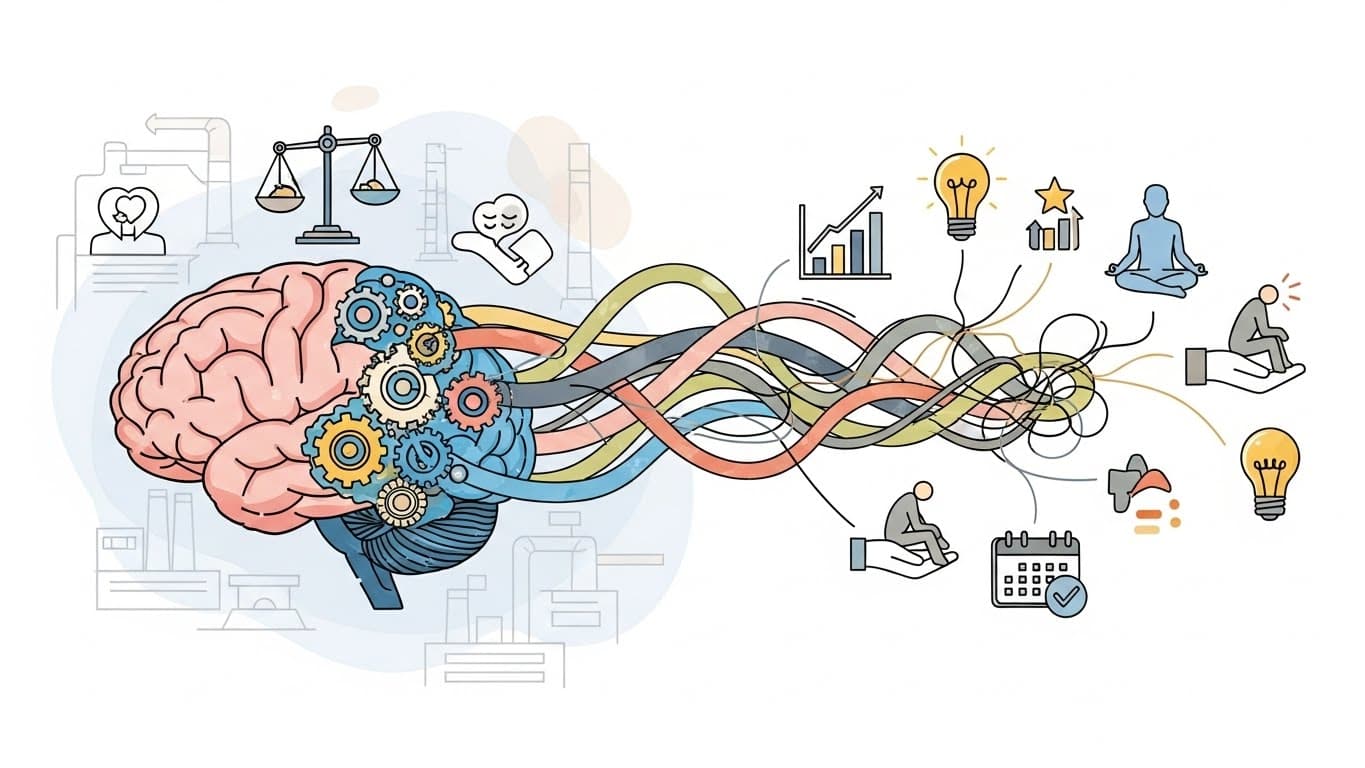
In recent years, psychological well-being has emerged as a central concern in discussions of workplace performance and organizational effectiveness. As modern work environments become increasingly complex and demanding, organizations are recognizing that employee productivity cannot be sustained without attention to mental health. Psychological well-being influences how individuals think, feel, and behave at work, shaping their capacity to manage stress, collaborate with others, and perform effectively. Consequently, understanding the relationship between psychological well-being and performance is essential for building resilient individuals and sustainable organizations.
Psychological well-being is a multidimensional construct encompassing emotional, social, and psychological functioning. It extends beyond the absence of mental illness and reflects positive states such as life satisfaction, a sense of purpose, autonomy, and the ability to maintain meaningful relationships (Ryff, 1989). Employees with high levels of well-being tend to perceive challenges as manageable, experience greater motivation, and demonstrate adaptive responses to stress. In contrast, poor psychological well-being—characterized by chronic stress, anxiety, or emotional exhaustion—can undermine concentration, decision-making, and overall performance.
Psychological Well-Being as a Foundation for Performance
The relationship between psychological well-being and performance is often explained through the “happy–productive worker hypothesis,” which proposes that employees who experience higher well-being are more engaged, satisfied, and productive in their roles (Wright & Cropanzano, 2000). This perspective challenges earlier assumptions that performance alone drives satisfaction, instead highlighting well-being as an antecedent to effective work behavior.
From a cognitive standpoint, psychological well-being enhances attention, memory, and problem-solving abilities. Individuals who experience lower stress and more positive emotions are better able to allocate cognitive resources toward complex tasks, adapt to changing demands, and maintain focus over time (Fredrickson, 2001). These cognitive advantages are particularly relevant in knowledge-based and service-oriented roles, where sustained attention and creativity are essential.
Motivation and engagement also play a critical role in linking well-being to performance. Employees with strong psychological well-being are more likely to feel intrinsically motivated and committed to their work. They tend to invest greater effort, persist in the face of obstacles, and demonstrate proactive behaviors such as seeking feedback or taking initiative (Harter, Schmidt, & Hayes, 2002). These behaviors contribute not only to individual productivity but also to broader organizational effectiveness.
Emotional regulation represents another key mechanism. Psychological well-being supports the ability to manage negative emotions and cope with stress constructively. Employees who can regulate their emotions are better equipped to handle interpersonal conflict, respond calmly to pressure, and avoid burnout. This emotional stability supports consistent performance and reduces the likelihood of errors or disengagement during challenging periods.
Consequences of Poor Psychological Well-Being
While positive well-being enhances performance, poor psychological well-being can have significant negative consequences for individuals and organizations alike. Employees experiencing high levels of stress, anxiety, or emotional distress often struggle with concentration and decision-making, leading to reduced efficiency and work quality. Over time, this can result in increased absenteeism, presenteeism (being physically present but mentally disengaged), and higher turnover intentions (Hakanen et al., 2020).
Poor well-being can also affect the social climate of the workplace. Emotional exhaustion and frustration may spill over into interpersonal interactions, contributing to conflict, reduced cooperation, and a negative work environment. Such conditions can create a cycle in which declining morale further undermines performance and well-being across teams.
From an organizational perspective, neglecting employee well-being carries long-term costs. Research consistently shows that organizations with lower levels of employee well-being experience reduced job satisfaction, weaker organizational commitment, and diminished organizational citizenship behaviors—those discretionary actions that support teamwork and collective success (Johnson & Smith, 2022). These outcomes highlight that performance is not merely an individual concern but a systemic issue shaped by organizational culture and practices.
Key Components of Psychological Well-Being
Psychological well-being comprises several interrelated components that collectively influence performance. One widely cited framework is Ryff’s (1989) model, which includes self-acceptance, personal growth, purpose in life, autonomy, environmental mastery, and positive relationships. Each of these dimensions contributes uniquely to how employees experience and perform their roles.
Emotional well-being involves experiencing positive emotions and maintaining low levels of chronic stress. Employees who feel emotionally balanced are better able to sustain motivation and respond adaptively to challenges. Psychological well-being emphasizes meaning, purpose, and growth, which are closely linked to engagement and long-term career satisfaction. Social well-being, reflected in supportive relationships and a sense of belonging, fosters collaboration and trust within teams. The PERMA model introduced by Seligman (2008) further expands this understanding by highlighting Positive Emotion, Engagement, Relationships, Meaning, and Accomplishment as core pillars of well-being. Subsequent research has suggested that physical health, mindset, work environment, and economic security also play important roles in shaping employee well-being (Donaldson et al., 2022). Together, these frameworks underscore that well-being is holistic and influenced by both individual and contextual factors.
The Role of the Work Environment
The relationship between psychological well-being and performance does not exist in isolation; it is shaped by the characteristics of the work environment. The Job Demands–Resources (JD-R) model provides a useful lens for understanding this interaction (Demerouti et al., 2001). According to this model, high job demands—such as excessive workload or emotional labor—can deplete employees’ mental resources, even when they possess strong personal well-being. Conversely, job resources such as autonomy, social support, and opportunities for development can buffer the negative effects of stress and enhance the positive impact of well-being on performance.
Supportive leadership and organizational culture are particularly influential. Leaders who prioritize psychological safety, provide clear communication, and model healthy work behaviors contribute to environments in which employees can thrive. In such contexts, well-being initiatives are more likely to translate into tangible performance gains.
Further, In collectivist cultures, well-being may be closely tied to group harmony and collective success, whereas individual achievement and personal fulfillment may be more emphasized in individualistic societies. These cultural differences influence how well-being is experienced, expressed, and linked to performance outcomes.
Psychological Well-Being Beyond the Workplace
The impact of psychological well-being on performance extends beyond professional settings into academic and social domains. Students experiencing positive well-being tend to demonstrate higher engagement, better academic performance, and greater resilience in the face of stress. Conversely, psychological distress can impair learning, reduce motivation, and hinder long-term academic and career development.
Social relationships play a crucial role in sustaining well-being across contexts. Meaningful connections with family, peers, and colleagues provide emotional support and act as protective factors against stress. Supportive social environments enhance individuals’ capacity to cope with challenges and maintain consistent performance. In contrast, isolation and strained relationships can exacerbate psychological distress and undermine daily functioning.
Physical health and self-care are also closely intertwined with psychological well-being. Adequate sleep, nutrition, and physical activity support emotional regulation and cognitive functioning, reinforcing the link between well-being and performance. Neglecting these foundations can create cycles of fatigue and stress that impair productivity and satisfaction.
Implications for Organizations
The growing body of evidence linking psychological well-being to performance carries important implications for organizations. Investing in employee well-being should not be viewed as a peripheral initiative but as a strategic priority. Well-being programs that promote stress management, emotional resilience, and work–life balance can enhance both individual and organizational outcomes.
Organizations can support well-being by fostering autonomy, encouraging supportive leadership, and creating inclusive environments where employees feel valued. Providing access to mental health resources and promoting open conversations about well-being can reduce stigma and encourage help-seeking behaviors. Importantly, interventions should address both individual skills, such as coping and emotional regulation, and structural factors, such as workload design and organizational culture.
Conclusion
Psychological well-being plays a critical role in shaping performance across professional and academic contexts. Employees who experience positive mental health are more engaged, motivated, and capable of managing the cognitive and emotional demands of their roles. In contrast, poor well-being undermines productivity, job satisfaction, and organizational stability. The relationship between well-being and performance is complex and influenced by individual, organizational, and cultural factors, yet the evidence consistently highlights well-being as a foundational driver of sustainable success.
As organizations navigate increasingly dynamic and demanding environments, prioritizing psychological well-being is no longer optional. By recognizing well-being as a core component of performance, organizations can cultivate healthier workplaces that support both human flourishing and long-term effectiveness.
References
- Demerouti, E., Bakker, A. B., Nachreiner, F., & Schaufeli, W. B. (2001). The job demands-resources model of burnout. The Journal of applied psychology, 86(3), 499–512.
- Donaldson, S. I., van Zyl, L. E., & Donaldson, S. I. (2022). PERMA+4: A framework for work-related wellbeing, performance, and positive organizational psychology 2.0. Frontiers in Psychology, 12, 817244. https://doi.org/10.3389/fpsyg.2021.817244
- Fredrickson, B. L. (2001). The role of positive emotions in positive psychology: The broaden-and-build theory of positive emotions. American Psychologist, 56(3), 218–226. https://doi.org/10.1037/0003-066X.56.3.218
- Hakanen, J. J., Schaufeli, W. B., & Ahola, K. (2008). The Job Demands-Resources Model: A Three-Year Cross-Lagged Study of Burnout, Depression, Commitment, and Work Engagement. Work & Stress, 22, 224-241.
- https://doi.org/10.1080/02678370802379432
- Harter, J.K., Schmidt, F.L. and Hayes, T.L. (2002) Business-Unit-Level Relationship between Employee Satisfaction, Employee Engagement, and Business Outcomes: A Meta-Analysis. Journal of Applied Psychology, 87, 268-279.
- http://dx.doi.org/10.1037/0021-9010.87.2.268
- Johnson, R., & Smith, P. (2022). Psychological well-being as a predictor of organizational citizenship behavior. Human Resource Management Review, 32(1), 105-121.
- Ryff, C. D. (1989). Happiness is everything, or is it? Explorations on the meaning of psychological well-being. Journal of Personality and Social Psychology, 57(6), 1069– 1081.
- Seligman, M. E. P. (2008). Positive health. Applied Psychology: An International Review, 57(Suppl 1), 3–18. https://doi.org/10.1111/j.1464-0597.2008.00351.x
- Wright, T. A., & Cropanzano, R. (2000). Psychological well-being and job satisfaction as predictors of job performance. Journal of Occupational Health Psychology, 5(1), 84–94. https://doi.org/10.1037/1076-8998.5.1.84
Test Your Knowledge!
Click the button below to generate an AI-powered quiz based on this article.
Did you enjoy this article?
Show your appreciation by giving it a like!
Conversation (0)
Cite This Article
Generating...