Engineering
The 11 Minutes That Matter Most in Every Flight ✈️
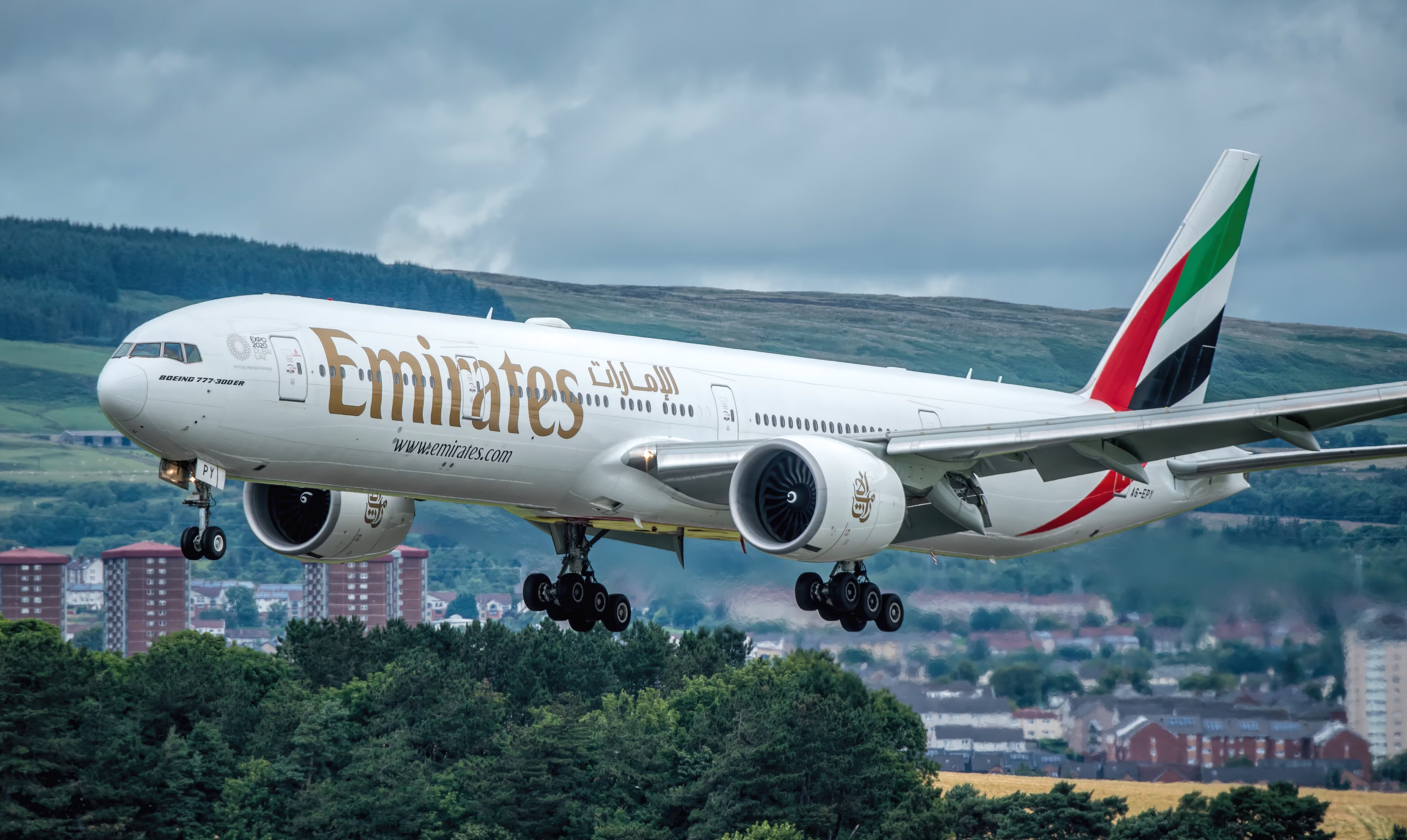
You’re on a plane. Seatbelt on. Phone in airplane mode.
The engines roar, the engine accelerates, and within seconds you’re airborne.
Most people think the dangerous part of flying is being 35,000 feet above the ground.
It’s not.
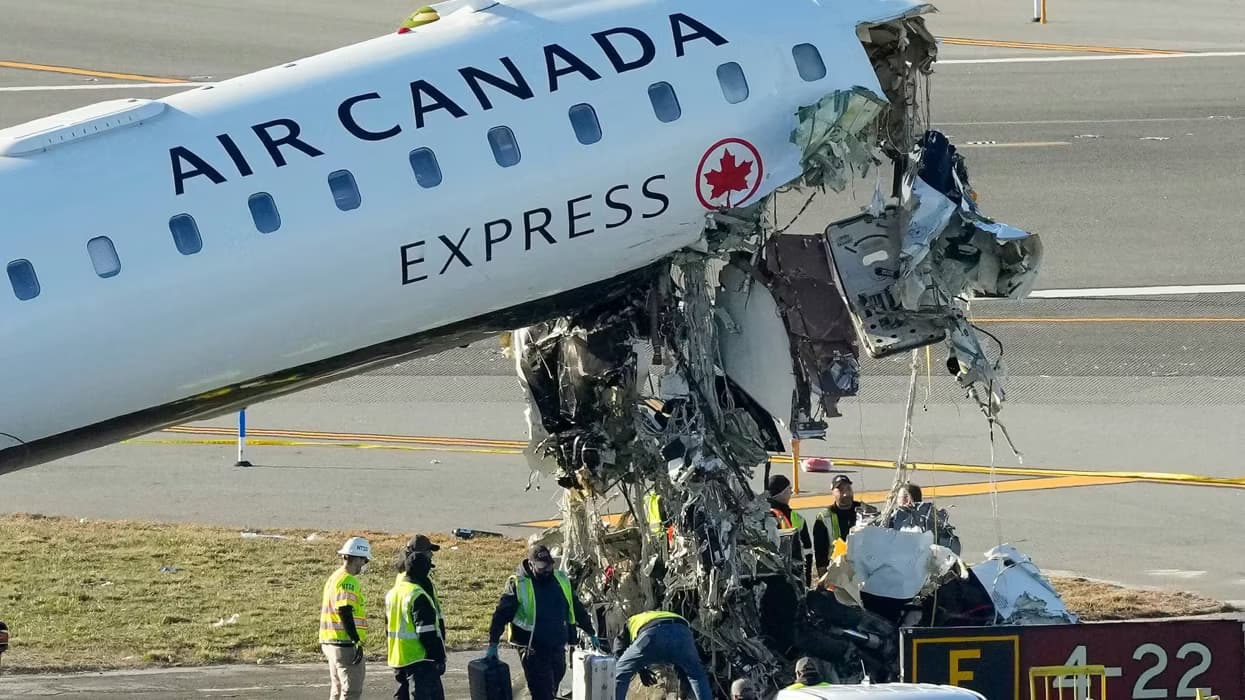
The most critical part of your journey happens much closer to the runway… just 11 minutes in total.
The “Critical 11 Minutes” Explained
Aviation experts often highlight a simple but powerful fact:
- First 3 minutes after takeoff
- Last 8 minutes before landing
That’s where the majority of incidents and accidents historically occur.
Everything in between? Statistically the safest phase of flight.
Minute 0–3: The Most Demanding Takeoff
Takeoff isn’t just “press throttle and go.”
It’s a carefully choreographed sequence where everything must work perfectly.
In those first 3 minutes:
- Engines are at maximum thrust
- The aircraft transitions from ground to air in seconds
- Pilots monitor dozens of parameters simultaneously
- There’s almost no room for delay or hesitation
For AvGeeks: this is where V1, VR, and V2 speeds come into play critical decision points that define whether a takeoff continues or aborts.
For passengers:
This is why you feel that powerful push into your seat and why the cabin stays quiet and focused.
Minute -8 to Landing: The Precision Phase
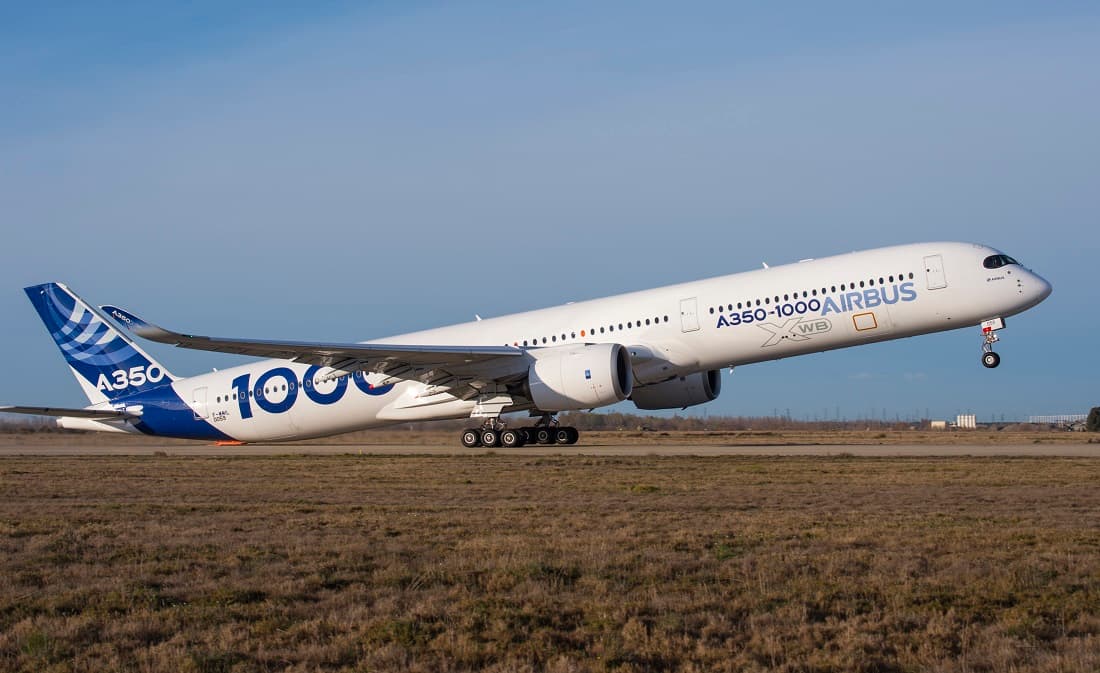
Landing is where flying becomes an art backed by science.
During the final 8 minutes:
- The aircraft must descend at a controlled rate
- Speed, angle, and alignment must be perfectly balanced
- Weather conditions (crosswinds, turbulence, visibility) can change everything
- Air traffic control instructions must be followed precisely
For AvGeeks: Think glide slope capture, flare timing, and crosswind correction.
For passengers:
That smooth or sometimes slightly bumpy touchdown is the result of hundreds of tiny, precise adjustments.
Why These Moments Matter Most
According to global aviation data from organizations like the International Air Transport Association and the Federal Aviation Administration:
- Most accidents occur during takeoff and landing phases
- Cruise flight is highly stable and heavily automated
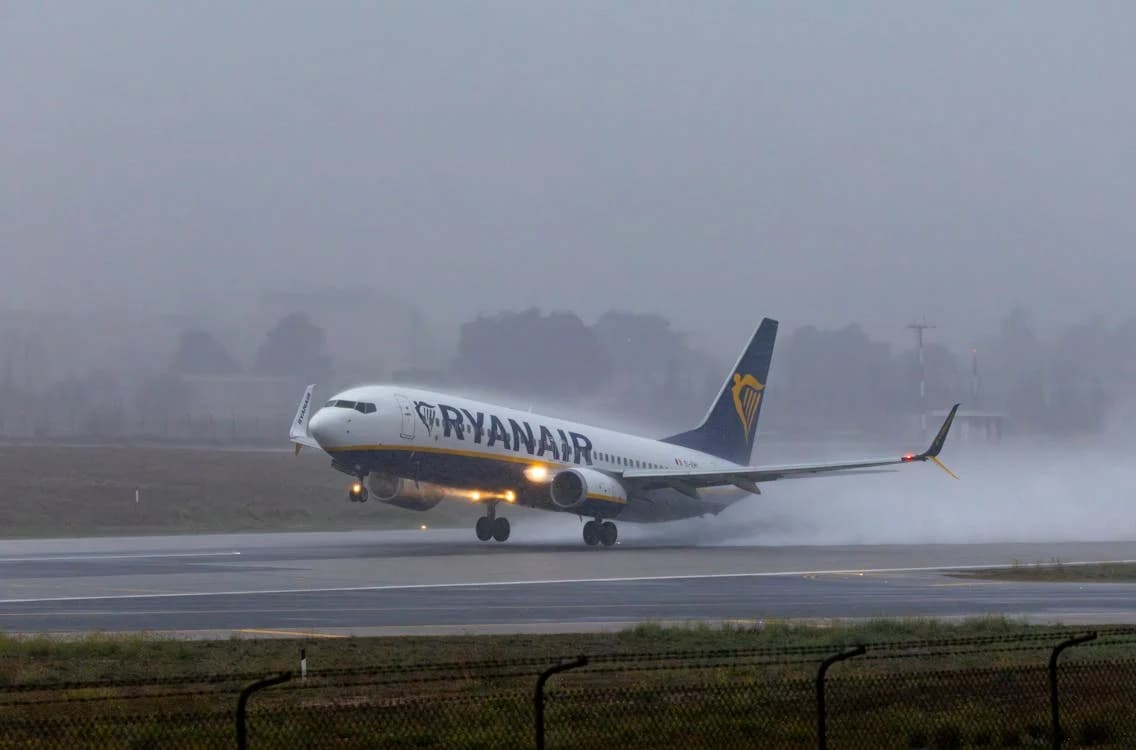
- Risk is concentrated when the aircraft is low, fast, and close to the ground
In simple terms:
The closer the plane is to the ground, the less time there is to recover from a problem.
What Pilots Are Doing (That You Don’t See)
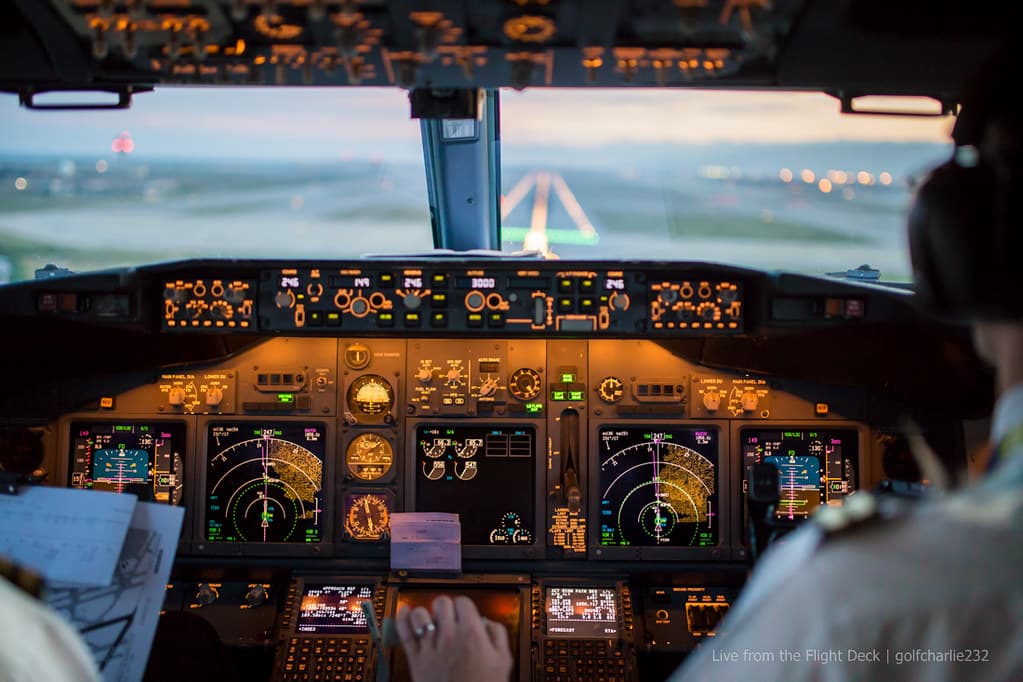
During these 11 minutes, the cockpit environment changes completely.
- Non-essential conversation stops (sterile cockpit rule)
- Pilots run through strict checklists
- Systems are constantly cross-checked
- Every action is deliberate and timed
Modern aircraft help with automation but in these moments, pilot skill and decision-making are everything.
What You Should Do as a Passenger
You’re not just sitting there you’re part of the safety system too.
During takeoff and landing:
✔️ Keep your seatbelt fastened tightly ✔️ Set your seat upright ✔️ Stow tray tables and loose items ✔️ Pay attention (even briefly) to the safety briefing
It may feel routine, but these steps are designed for these exact 11 minutes.
The Truth About Flight Safety
Let’s be clear: Flying is still one of the safest ways to travel.
Millions of flights take off and land safely every year because of:
- Advanced aircraft design
- Highly trained pilots
- Strict global safety standards
The “critical 11 minutes” don’t make flying dangerous.
They reveal something more important: How much precision goes into keeping you safe.
Final Thought
Next time you’re on a plane, notice what happens during takeoff and landing.
The quiet cabin. The focused crew. The controlled movements of the aircraft.
Because in those moments
- Every second matters.
- Every action matters.
- Every decision matters.
And that’s exactly why you arrive safely.
Test Your Knowledge!
Click the button below to generate an AI-powered quiz based on this article.
Did you enjoy this article?
Show your appreciation by giving it a like!
Conversation (0)
Cite This Article
Generating...