Science
The Human Microbiome - Are Gut Bacteria Really the "Second Brain"?
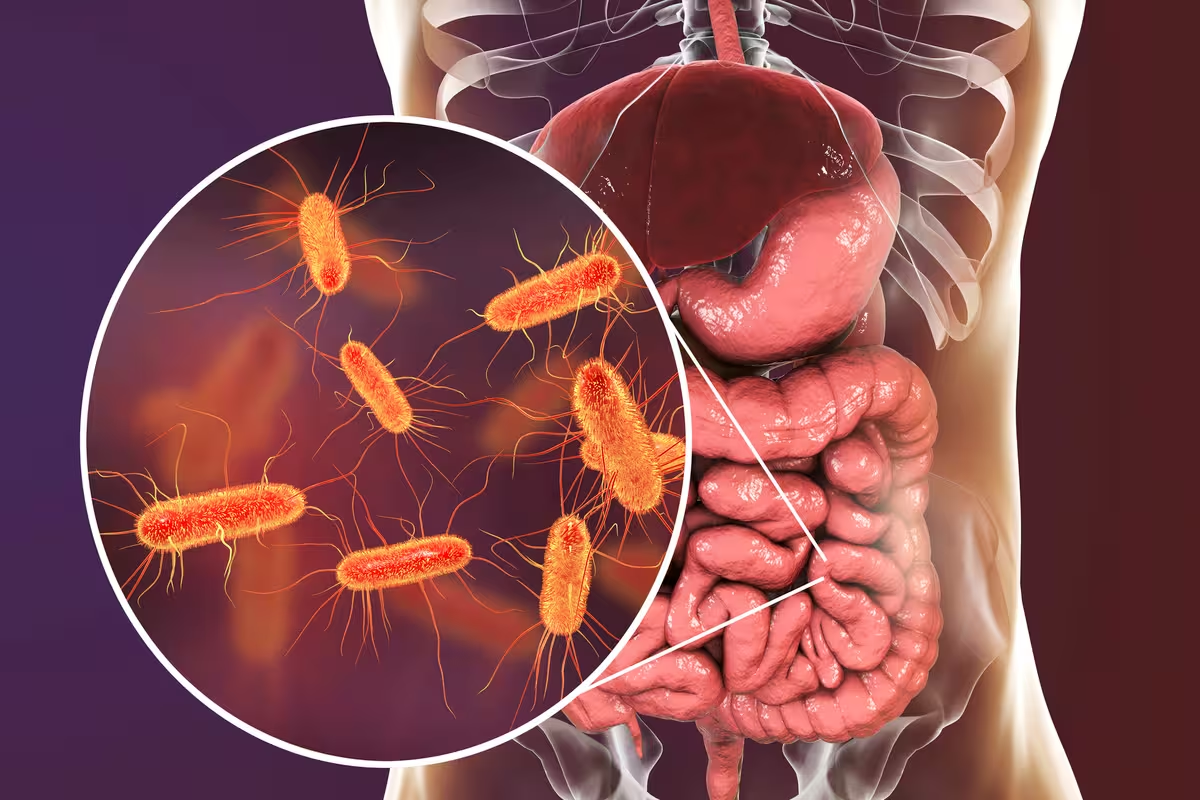
There are approximately 100 trillion microorganisms living inside you right now.
That number is so large it barely registers as meaningful. So let us try it a different way. The microorganisms in your gut, bacteria, fungi, viruses, archaea, outnumber your human cells. They collectively weigh between one and two kilograms, roughly the same as your brain. They contain a collective genetic library that dwarfs your own human genome by a factor of approximately 150 to 1. And they are, at this precise moment, influencing your mood, your immune system, your metabolism, your stress response, and, scientists now believe, the way your brain functions.
For most of medical history, these organisms were understood primarily as passengers. Useful for digestion. Occasionally dangerous when the wrong ones proliferated. Otherwise, background biology, important enough to be aware of, not important enough to be central to how medicine thought about health and disease.
That understanding has been overturned in one of the most dramatic scientific revisions of the past two decades.
The gut microbiome, the community of microorganisms living in your gastrointestinal tract, is now understood to be one of the most consequential systems in human biology. Its influence extends far beyond digestion. It reaches, through multiple biological pathways, into the nervous system, the immune system, the endocrine system, and the brain itself. The phrase "second brain", dramatic as it sounds, reflects a genuine scientific reality, carefully defined, that is reshaping how researchers think about health, disease, behaviour, and medicine.
This article explains that reality. What the second brain actually is. How gut bacteria communicate with your brain. What the science currently shows, and what it does not yet support. And what you can actually do with this information.
First: What Is the Microbiome?
The word microbiome refers to the complete community of microorganisms, and their collective genetic material, living in a particular environment. Your body hosts several microbiomes: on your skin, in your mouth, in your lungs, in your urogenital tract. The largest, most studied, and most biologically significant is the gut microbiome, the ecosystem of microorganisms living in your gastrointestinal tract, concentrated primarily in the large intestine.
The gut microbiome is not a uniform community. It is an ecosystem of extraordinary complexity, thousands of different species, existing in different proportions, occupying different niches, interacting with each other and with your body in constantly shifting ways. Your microbiome is as individual as your fingerprint. No two people's gut bacterial communities are identical, even identical twins raised in the same household (Turnbaugh et al., 2009).
This community begins forming at birth, shaped initially by mode of delivery (vaginal birth versus caesarean section), then by feeding method (breastfeeding versus formula), then by the environment, the food, the medications, the stress, and the countless daily experiences that shape the microbial ecosystem throughout a lifetime.
It is also, crucially, not static. Your microbiome changes in response to what you eat, how you sleep, whether you exercise, what medications you take, who you live with, how stressed you are, and dozens of other factors. This dynamism is both good news and bad news: the microbiome can be damaged, but it can also be supported and restored.
The "Second Brain": What Scientists Actually Mean
The term "second brain" was popularised by neuroscientist Michael Gershon in his 1998 book of the same name, and it refers primarily to the enteric nervous system, a vast network of approximately 500 million neurons lining the gastrointestinal tract from the oesophagus to the rectum (Gershon, 1998).
Five hundred million neurons. To put that in perspective, the spinal cord contains approximately 100 million neurons. The enteric nervous system, embedded in the lining of the gut, contains five times as many nerve cells as the spinal cord. It can regulate digestion, perceive pain, release neurotransmitters, and coordinate complex gastrointestinal behaviours entirely independently of the brain, without receiving instructions from above.
This nervous system does not think in the sense that the brain thinks. It does not generate consciousness, solve problems, or process language. But it does process information, make decisions, in a functional sense, about digestive processes, and communicate bidirectionally with the brain in ways that influence mood, stress responses, appetite, and wellbeing. It is the "brain" of the gut, and the gut bacteria living within it are its most influential residents.
The microbiome and the enteric nervous system are not the same thing, but they are intimately connected. The bacteria living in the gut influence the enteric nervous system, which communicates with the central nervous system, which shapes how you feel, how you respond to stress, and, the science increasingly suggests, your risk of developing mental health conditions.
How Gut Bacteria Talk to Your Brain: The Five Pathways
The gut-brain communication system is not a single channel. It is a complex, multi-layered network of overlapping biological pathways. Understanding these pathways, at a conceptual level, is what makes the science compelling rather than mystical.
Pathway One: The Vagus Nerve, The Superhighway
The vagus nerve is the longest and most complex of the cranial nerves, running from the brainstem all the way down through the chest and into the abdomen, innervating the heart, lungs, and gut along the way. It is the principal neural highway of the gut-brain axis, the direct physical connection between the two nervous systems.
What makes the vagus nerve remarkable in this context is the direction of information flow. Approximately 80 to 90% of the fibres in the vagus nerve carry signals from the gut to the brain, not the other way around (Bonaz, Bazin and Pellissier, 2018). The gut is, neurologically speaking, primarily a sender. The signals it sends, significantly influenced by the bacteria living within it, travel directly to brain regions involved in mood, appetite, stress regulation, and decision-making.
Gut bacteria influence what those signals say. They can stimulate enteroendocrine cells in the gut lining to release signalling molecules that activate vagal nerve fibres, effectively sending messages to the brain about the state of the gut environment. When the gut microbial community is healthy and diverse, these signals tend to be regulatory and calming. When it is disrupted, a state called dysbiosis, the signals may contribute to anxiety, stress reactivity, and mood disturbance.
Pathway Two: Neurotransmitter Production
Here is the fact that stops most people in their tracks when they first encounter it: approximately 90 to 95% of the body's serotonin, the neurotransmitter most associated with mood, wellbeing, and the mechanism of action of the world's most widely prescribed antidepressants, is produced in the gut, not the brain (Yano et al., 2015).
Gut bacteria play a direct role in regulating serotonin production. Research has shown that specific bacterial species produce or stimulate the production of serotonin precursors, and that animals raised without any gut microbiome have significantly altered serotonin levels compared to those with normal microbial communities.
The gut serotonin does not cross the blood-brain barrier, it cannot directly regulate brain serotonin levels. But it plays critical roles in the enteric nervous system, in gut motility, and in vagal nerve signalling, all of which influence brain function indirectly. The gut's serotonin system is, in effect, a second serotonin system, distinct from the brain's, but connected to it through multiple pathways.
Beyond serotonin, gut bacteria produce or stimulate the production of gamma-aminobutyric acid (GABA), the brain's primary inhibitory neurotransmitter; dopamine precursors; short-chain fatty acids that influence brain function; and numerous other neuroactive compounds that reach the brain through the bloodstream and the vagus nerve.
Pathway Three: The Immune System, Inflammation as the Bridge
The gut is the largest immune organ in the human body. Approximately 70% of immune cells reside in or around the gastrointestinal tract, and the gut microbiome plays a central role in regulating their activity (Vighi et al., 2008).
This has profound implications for brain health, because chronic low-grade inflammation is increasingly recognised as one of the most important mechanisms underlying depression, anxiety, and other psychiatric conditions. Research has consistently found elevated inflammatory markers, particularly cytokines, proteins that signal immune activity, in the blood of people with depression, and a significant proportion of people who do not respond to standard antidepressant treatment show elevated inflammation (Raison and Miller, 2011).
The connection is this: when the gut microbiome is healthy and diverse, it helps maintain the integrity of the gut lining and regulates immune activity in ways that keep systemic inflammation low. When the microbiome is disrupted, through poor diet, stress, antibiotics, or illness, the gut lining can become more permeable, allowing bacterial products to enter the bloodstream and trigger immune responses that drive systemic inflammation. That inflammation reaches the brain, contributing to what researchers call neuroinflammation, inflammatory processes within the brain that alter neurotransmitter function, neural plasticity, and mood.
This pathway, gut microbiome to gut permeability to systemic inflammation to neuroinflammation to mental health outcomes, is one of the most robustly supported mechanisms in the gut-brain research, and one of the most therapeutically promising targets for future treatment.
Pathway Four: The HPA Axis, Stress, Cortisol, and the Microbiome
The hypothalamic-pituitary-adrenal (HPA) axis is the body's primary stress response system, the cascade of hormonal signals that, when activated by perceived threat, ultimately triggers the release of cortisol and prepares the body for fight or flight.
The gut microbiome significantly influences how reactive the HPA axis is to stress. The clearest evidence for this comes from animal research: germ-free animals, those raised in completely sterile conditions without any gut microbiome, show dramatically exaggerated stress responses when exposed to mild stressors, producing far more cortisol than conventionally housed animals with normal microbiomes (Cryan et al., 2019). Crucially, when these germ-free animals are colonised with specific bacterial strains early in life, their stress responses normalise, demonstrating that the microbiome actively calibrates the HPA axis.
Human studies are more limited but point in the same direction. Several studies have found associations between reduced gut microbial diversity and heightened cortisol reactivity to psychological stressors, suggesting that the composition of the gut microbial community influences not just whether you feel stressed, but how intensely and for how long.
Pathway Five: The Endocrine System, Hormones and Metabolism
The gut microbiome interacts extensively with the endocrine system, the network of glands and hormones that regulate metabolism, appetite, reproduction, and dozens of other physiological processes.
Gut bacteria regulate the release of peptide hormones from the gut lining, including GLP-1, which regulates insulin secretion and appetite; ghrelin, which signals hunger; and peptide YY, which signals satiety. They produce short-chain fatty acids that influence energy metabolism and insulin sensitivity throughout the body. And they modulate the activity of cortisol and sex hormones in ways that affect mood, energy, and cognitive function.
The relationship between the microbiome and metabolic health is bidirectional and has significant implications for conditions including type 2 diabetes, obesity, and metabolic syndrome, conditions that are in turn strongly associated with depression and cognitive decline.
What the Science Actually Shows: Mental Health and the Microbiome
With the biological pathways established, the critical question is: what does the research actually show about the relationship between gut bacteria and mental health outcomes?
Depression: The Evidence Is Growing and Consistent
The association between gut microbiome composition and depression is among the most studied and most replicated findings in this field. Large-scale population studies have consistently found meaningful differences in the gut microbial communities of people with depression compared to those without (Valles-Colomer et al., 2019).
The Valles-Colomer study, involving more than a thousand participants and replicated in an independent cohort, identified specific bacterial genera, particularly Coprococcus and Dialister, that were consistently depleted in people with depression. These bacteria produce butyrate, a short-chain fatty acid with anti-inflammatory and neuroprotective properties, and are involved in dopamine metabolism. Their depletion in depressed individuals fits precisely with the inflammatory and neurotransmitter mechanisms described above.
A 2024 meta-analysis aggregating data from 59 studies involving more than 3,000 participants found a highly consistent pattern: depression is associated with reduced overall gut microbial diversity, reduced abundance of butyrate-producing bacteria, and increased abundance of pro-inflammatory bacterial species (Simpson et al., 2024). The consistency of this pattern across studies conducted in different countries, using different methodologies, substantially strengthens the case that the association is real.
What remains importantly unresolved is causation. Does dysbiosis contribute to depression, or does depression cause dysbiosis through its effects on diet, sleep, physical activity, and medication use? The most likely answer, supported by the mechanistic evidence, is that the relationship is bidirectional, each influences the other in a reinforcing feedback loop. Disentangling the causal direction in humans is one of the central methodological challenges of the field.
Anxiety: Animal Evidence Is Strong, Human Evidence Is Building
The relationship between gut bacteria and anxiety is most clearly established in animal models. Germ-free mice consistently display elevated anxiety-like behaviour, more avoidance, more freezing, more stress reactivity, compared to conventionally housed mice with normal microbiomes. Transplanting gut bacteria from anxious mice into non-anxious germ-free mice transfers the anxious phenotype, demonstrating that the microbiome can causally drive anxiety-related behaviour in rodents (Bercik et al., 2011).
In humans, a systematic review of clinical trials found that probiotic supplementation produced modest but statistically significant reductions in anxiety scores across healthy adults and patients with anxiety disorders (Reis et al., 2021). The effect sizes are real but not large, comparable to the effects of exercise on anxiety symptoms. They are clinically meaningful for some individuals, essentially imperceptible for others.
Neurodegenerative Disease: An Emerging Frontier
The relationship between gut microbiome and neurodegenerative conditions is one of the most rapidly developing and most clinically consequential areas of this research.
In Parkinson's disease, pathological protein aggregates, alpha-synuclein, have been found in the enteric nervous system before they appear in the brain, leading some researchers to propose that Parkinson's may begin in the gut and spread to the brain via the vagus nerve (Braak et al., 2003). Several studies have found distinctive microbiome profiles in people with Parkinson's disease, though whether these differences are causal or consequential remains under investigation.
In Alzheimer's disease, gut dysbiosis has been associated with increased neuroinflammation, increased amyloid deposition, and accelerated cognitive decline in animal models. A 2024 study found that transferring gut microbiota from aged humans to young germ-free rats produced cognitive impairments and hippocampal changes consistent with accelerated brain ageing, suggesting that the ageing microbiome may actively contribute to cognitive decline (Parker et al., 2024).
This area is at an earlier stage of evidence than the depression and anxiety research, and significant caution is warranted before drawing clinical conclusions. But the directional signal is consistent enough to warrant serious investigation.
Autism Spectrum Conditions: Contested but Active
The potential relationship between gut microbiome and autism spectrum conditions (ASC) is among the most controversial and most discussed areas in this field. Differences in gut microbiome composition between autistic and non-autistic individuals have been reported in numerous studies, and gastrointestinal symptoms are more prevalent in autistic individuals than in the general population.
In 2024, an Australian clinical trial of faecal microbiota transplantation in autistic children reported improvements in both gastrointestinal symptoms and some autism-related behavioural symptoms at two-year follow-up (Kang et al., 2024). These results are genuinely interesting and warrant further investigation.
However, the autism research field appropriately emphasises several important caveats. Studies are small. The autism spectrum is highly heterogeneous. The microbiome differences observed may reflect differences in diet and lifestyle rather than causing autism-related traits. And the framing of autism as a condition caused by or curable through gut bacteria is both scientifically unsupported and potentially harmful in how it positions autism as a disease requiring treatment rather than a different way of experiencing the world.
The Gut Microbiome and Cognitive Function
Beyond psychiatric conditions, emerging research suggests that gut bacteria may influence cognitive function in healthy individuals, attention, memory, processing speed, and learning.
A growing body of animal research demonstrates that microbiome manipulation can improve or impair learning and memory. In humans, associations have been found between microbiome diversity and performance on cognitive tests, and between specific dietary patterns that support microbiome health and reduced rates of cognitive decline (Knight et al., 2017).
The mechanisms are plausible: the anti-inflammatory effects of a healthy microbiome, the production of neuroprotective short-chain fatty acids, the regulation of neurotrophins like BDNF (brain-derived neurotrophic factor, essential for neural plasticity and learning), all of these could plausibly translate into effects on cognitive function. The direct human evidence is still accumulating, but the mechanistic foundation is solid.
What the Evidence Does Not Support
The enthusiasm surrounding gut-brain research has generated a secondary ecosystem of exaggerated claims that the evidence does not support. Being clear about these is as important as being enthusiastic about what the research genuinely shows.
Specific probiotics curing depression or anxiety. The clinical trial evidence for probiotics as treatments for depression and anxiety is real but modest. The specific strains studied in trials are often not the strains in commercial probiotic products. The effect sizes are meaningful as adjuncts to treatment, not as replacements for it.
Gut microbiome testing as a diagnostic tool for mental health. Commercial gut microbiome tests that claim to diagnose depression risk, anxiety, or cognitive decline are not supported by the current science. The reference ranges used by commercial tests are not clinically validated for psychiatric purposes.
The microbiome as the primary cause of psychiatric conditions. Mental health conditions are multifactorial, involving genetics, neurobiology, psychology, life experience, social circumstances, and biology including but not limited to the gut microbiome. Framing mental illness primarily as a gut problem is as reductive as framing it purely as a chemical imbalance.
"Leaky gut" as the universal explanation. Increased intestinal permeability, sometimes called "leaky gut", is a real phenomenon with genuine clinical relevance in specific conditions. It is also one of the most misappropriated concepts in wellness culture, used to explain an enormous range of health problems for which the evidence is weak or non-existent.
What You Can Actually Do, Based on the Evidence
The evidence-based interventions for gut microbiome health are, encouragingly, accessible, affordable, and consistent with general health recommendations.
Eat a diverse, plant-rich diet. Dietary fibre is the primary fuel for gut bacteria. A diverse range of plant foods, different vegetables, fruits, legumes, whole grains, nuts, and seeds, supports a more diverse and healthier microbiome. Research from the Human Food Project found that eating 30 or more different plant foods per week was associated with significantly greater gut microbial diversity than eating fewer than 10 (McDonald et al., 2018).
Include fermented foods. A randomised controlled trial from Stanford University found that a high-fermented-food diet significantly increased microbiome diversity and reduced inflammatory markers over ten weeks, with effect sizes exceeding those of a high-fibre diet in the same study (Wastyk et al., 2021). Yoghurt with live cultures, kefir, kimchi, sauerkraut, miso, and kombucha are all fermented foods with good evidence behind them.
Limit ultra-processed food. Ultra-processed foods, high in refined sugars, artificial additives, and low in fibre, are consistently associated with reduced microbiome diversity and increased inflammatory markers. The relationship between ultra-processed food consumption and depression risk is one of the most robust findings in nutritional psychiatry (Adjibade et al., 2019).
Move your body regularly. Exercise is associated with increased gut microbial diversity, increased abundance of butyrate-producing bacteria, and reduced intestinal inflammation, independent of diet (Mailing et al., 2019). The gut health benefits of exercise are real and add to its already extensive mental health benefits.
Protect sleep quality. Sleep deprivation disrupts gut microbiome composition in ways that promote dysbiosis and inflammation. The bidirectional relationship between sleep and gut health means that improving sleep quality and improving microbiome health tend to reinforce each other.
Use antibiotics judiciously. Antibiotics are genuinely lifesaving medicines and should be taken when prescribed. But they also significantly disrupt the gut microbiome, and unnecessary antibiotic use has real consequences for microbiome health. The most microbiome-conscious approach to antibiotics is taking them when genuinely needed, completing the full course, and supporting microbiome recovery afterward with dietary measures.
Manage chronic stress. Chronic psychological stress damages the gut microbiome through multiple mechanisms including changes to gut motility, increased intestinal permeability, and altered immune activity. Stress management is a genuine gut health intervention, not just a general wellness recommendation.
The Frontier: Where This Field Is Going
The gut-brain field is advancing faster than almost any other area of biomedical research. Here is where the most significant near-term developments are expected.
Precision psychobiotics. Rather than generic probiotic formulations, researchers are working toward identifying specific bacterial strains with specific mental health effects in specific patient populations, and toward designing personalised microbial interventions matched to an individual's unique gut ecosystem and psychiatric profile. Several clinical trials of specific psychobiotic formulations are in advanced phases.
Faecal microbiota transplantation for psychiatric conditions. Following its established success in treating Clostridioides difficile infection, faecal microbiota transplantation is being investigated in clinical trials for depression, anxiety, and autism. Early results are promising but require confirmation in larger, longer studies.
The microbiome as a drug target. Multiple pharmaceutical companies are developing drugs that act on the gut microbiome, either by selectively promoting beneficial bacterial communities or by delivering therapeutic compounds via bacteria engineered to produce them in situ. These approaches are at various stages of clinical development and represent a genuinely novel therapeutic paradigm.
Integration into psychiatric care. The growing evidence base is beginning to influence how forward-thinking psychiatrists and clinical psychologists approach treatment, incorporating dietary assessment, gut health evaluation, and lifestyle interventions as components of comprehensive mental health care, rather than treating mind and gut as separate domains.
The Bottom Line
The idea that your gut bacteria influence your brain sounds, at first encounter, like the kind of claim that belongs in a wellness magazine rather than a scientific journal. The evidence, accumulated across thousands of studies over two decades, tells a different story.
The gut microbiome is a genuine and significant influence on brain function, mood, stress response, and mental health. The pathways through which gut bacteria communicate with the brain, the vagus nerve, neurotransmitter production, immune regulation, the HPA axis, and the endocrine system, are real, multiple, and well-characterised. The associations between gut microbial health and depression, anxiety, and cognitive function are consistent, replicated, and increasingly well-understood mechanistically.
The "second brain" is not a metaphor in the way it might first appear. The enteric nervous system is a genuine nervous system with real neurons and real complexity. The gut microbiome is a genuine biological system with real influence over processes that extend far beyond digestion. And the conversation between these systems and the brain above is constant, bidirectional, and consequential in ways that medicine is only beginning to fully appreciate.
Does this mean you should replace your psychiatrist with a probiotic? Emphatically no. Does it mean that what you eat, how you move, how you sleep, and how you manage stress are not just lifestyle choices but genuine influences on the biology of your brain? The evidence says yes, more clearly than ever before.
The gut is not separate from the mind. It never was. We are only now beginning to understand the depth of that connection, and what it might mean for how we care for the most complex organ we have.
Cover image by Flinders University[news.flinders.edu.au]
References
Adjibade, M., Julia, C., Allès, B., Touvier, M., Lemogne, C., Srour, B., Hercberg, S., Galan, P., Assmann, K.E. and Kesse-Guyot, E. (2019) 'Prospective association between ultra-processed food consumption and incident depressive symptoms in the French NutriNet-Santé cohort', BMC Medicine, 17(1), article 78. doi:10.1186/s12916-019-1312-y.
Bercik, P., Denou, E., Collins, J., Jackson, W., Lu, J., Jury, J., Deng, Y., Blennerhassett, P., Macri, J., McCoy, K.D., Verdu, E.F. and Collins, S.M. (2011) 'The intestinal microbiota affect central levels of brain-derived neurotropic factor and behavior in mice', Gastroenterology, 141(2), pp. 599–609. doi:10.1053/j.gastro.2011.04.052.
Bonaz, B., Bazin, T. and Pellissier, S. (2018) 'The vagus nerve at the interface of the microbiota-gut-brain axis', Frontiers in Neuroscience, 12, article 49. doi:10.3389/fnins.2018.00049.
Braak, H., Del Tredici, K., Rüb, U., de Vos, R.A., Jansen Steur, E.N. and Braak, E. (2003) 'Staging of brain pathology related to sporadic Parkinson's disease', Neurobiology of Aging, 24(2), pp. 197–211. doi:10.1016/S0197-4580(02)00065-9.
Cryan, J.F., O'Riordan, K.J., Cowan, C.S.M., Sandhu, K.V., Bastiaanssen, T.F.S., Boehme, M., Codagnone, M.G., Cussotto, S., Fulling, C., Golubeva, A.V., Guzzetta, K.E., Jaggar, M., Long-Smith, C.M., Lyte, J.M., Martin, J.A., Molinero-Perez, A., Moloney, G., Morelli, E., Morillas, E., O'Connor, R., Cruz-Pereira, J.S., Peterson, V.L., Rea, K., Ritz, N.L., Sherwin, E., Spichak, S., Teichman, E.M., van de Wouw, M., Ventura-Silva, A.P., Wallace-Fitzsimons, S.E., Hyland, N., Clarke, G. and Dinan, T.G. (2019) 'The microbiota-gut-brain axis', Physiological Reviews, 99(4), pp. 1877–2013. doi:10.1152/physrev.00018.2018.
Dinan, T.G., Stanton, C. and Cryan, J.F. (2013) 'Psychobiotics: a novel class of psychotropic', Biological Psychiatry, 74(10), pp. 720–726. doi:10.1016/j.biopsych.2013.05.001.
Gershon, M.D. (1998) The second brain: the scientific basis of gut instinct and a groundbreaking new understanding of nervous disorders of the stomach and intestine. New York: HarperCollins.
Kang, D.W., Ilhan, Z.E., Isern, N.G., Lindemann, S.R., Rittmann, B.E. and Krajmalnik-Brown, R. (2024) 'Long-term benefit of microbiota transfer therapy on autism symptoms and gut microbiota', Scientific Reports, 14(1), article 7951. doi:10.1038/s41598-024-58564-z.
Knight, R., Vrbanac, A., Taylor, B.C., Aksenov, A., Callewaert, C., Debelius, J., Gonzalez, A., Kosciolek, T., McCall, L.I., McDonald, D., Melnik, A.V., Morton, J.T., Navas, J., Quinn, R.A., Sanders, J.G., Swafford, A.D., Thompson, L.R., Tripathi, A., Xu, Z.Z., Zaneveld, J.R., Zhu, Q., Caporaso, J.G. and Dorrestein, P.C. (2017) 'Best practices for analysing microbiomes', Nature Reviews Microbiology, 16(7), pp. 410–422. doi:10.1038/s41579-018-0029-9.
Mailing, L.J., Allen, J.M., Buford, T.W., Fields, C.J. and Woods, J.A. (2019) 'Exercise and the gut microbiome: a review of the evidence, potential mechanisms and implications for human health', Exercise and Sport Sciences Reviews, 47(2), pp. 75–85. doi:10.1249/JES.0000000000000183.
McDonald, D., Hyde, E., Debelius, J.W., Morton, J.T., Gonzalez, A., Ackermann, G., Aksenov, A.A., Behsaz, B., Brennan, C., Chen, Y., DeRight Goldasich, L., Dorrestein, P.C., Dunn, R.R., Fahimipour, A.K., Gaffney, J., Gilbert, J.A., Gogul, G., Green, J.L., Hugenholtz, P., Humphrey, G., Huttenhower, C., Jackson, M.A., Janssen, S., Jeste, D.V., Jiang, L., Kelley, S.T., Knights, D., Kosciolek, T., Ladau, J., Leach, J., Marotz, C., Meleshko, D., Melnik, A.V., Metcalf, J.L., Mohimani, H., Montassier, E., Navas-Molina, J., Nguyen, T.T., Peddada, S., Pevzner, P., Pollard, K.S., Rahnavard, G., Robbins-Pianka, A., Sangwan, N., Shorenstein, J., Smarr, L., Song, S.J., Spector, T., Swafford, A.D., Thackray, V.G., Thompson, L.R., Tripathi, A., Vazquez-Baeza, Y., Vrbanac, A., Wischmeyer, P., Wolfe, E., Zhu, Q. and Knight, R. (2018) 'American gut: an open platform for citizen science microbiome research', Cell Host and Microbe, 23(3), pp. 433–445. doi:10.1016/j.chom.2018.02.011.
Parker, A., Romano, S., Ansorge, R., Aboelnour, A., Le Gall, G., Savva, G.M., Pontifex, M.G., Telatin, A., Baker, D., Jones, E., Vauzour, D., Rudder, S., Blackshaw, L.A., Jeffery, G. and Carding, S.R. (2024) 'Fecal microbiota transfer between young and aged mice reverses hallmarks of the aging gut, eye, and brain', Microbiome, 12(1), article 39. doi:10.1186/s40168-024-01747-x.
Raison, C.L. and Miller, A.H. (2011) 'Is depression an inflammatory disorder?', Current Psychiatry Reports, 13(6), pp. 467–475. doi:10.1007/s11920-011-0232-0.
Reis, D.J., Ilardi, S.S. and Punt, S.E.W. (2021) 'The anxiolytic effect of probiotics: a systematic review and meta-analysis of the clinical and preclinical literature', PLOS ONE, 13(6), e0199041. doi:10.1371/journal.pone.0199041.
Simpson, C.A., Diaz-Arteche, C., Eliby, D., Schwartz, O.S., Simmons, J.G. and Cowan, C.S.M. (2024) 'The gut microbiota in anxiety and depression, a systematic review', Clinical Psychology Review, 83, article 101943. doi:10.1016/j.cpr.2020.101943.
Turnbaugh, P.J., Hamady, M., Yatsunenko, T., Cantarel, B.L., Duncan, A., Ley, R.E., Sogin, M.L., Jones, W.J., Roe, B.A., Affourtit, J.P., Egholm, M., Henrissat, B., Heath, A.C., Knight, R. and Gordon, J.I. (2009) 'A core gut microbiome in obese and lean twins', Nature, 457(7228), pp. 480–484. doi:10.1038/nature07540.
Valles-Colomer, M., Falony, G., Darzi, Y., Tigchelaar, E.F., Wang, J., Tito, R.Y., Schiweck, C., Kurilshikov, A., Joossens, M., Wijmenga, C., Claes, S., Van Oudenhove, L., Zhernakova, A., Vieira-Silva, S. and Raes, J. (2019) 'The neuroactive potential of the human gut microbiota in quality of life and depression', Nature Microbiology, 4(4), pp. 623–632. doi:10.1038/s41564-018-0337-x.
Vighi, G., Marcucci, F., Sensi, L., Di Cara, G. and Frati, F. (2008) 'Allergy and the gastrointestinal system', Clinical and Experimental Immunology, 153(S1), pp. 3–6. doi:10.1111/j.1365-2249.2008.03713.x.
Wastyk, H.C., Fragiadakis, G.K., Perelman, D., Dahl, W.J., Zhu, Z., Sonnenburg, J.L. and Gardner, C.D. (2021) 'Gut-microbiota-targeted diets modulate human immune status', Cell, 184(16), pp. 4137–4153. doi:10.1016/j.cell.2021.06.019.
Yano, J.M., Yu, K., Donaldson, G.P., Shastri, G.G., Ann, P., Ma, L., Nagler, C.R., Ismagilov, R.F., Mazmanian, S.K. and Hsiao, E.Y. (2015) 'Indigenous bacteria from the gut microbiota regulate host serotonin biosynthesis', Cell, 161(2), pp. 264–276. doi:10.1016/j.cell.2015.02.047.
Test Your Knowledge!
Click the button below to generate an AI-powered quiz based on this article.
Did you enjoy this article?
Show your appreciation by giving it a like!
Conversation (0)
Cite This Article
Generating...