Engineering
Why Airplane Wings Have Those Fancy Curves
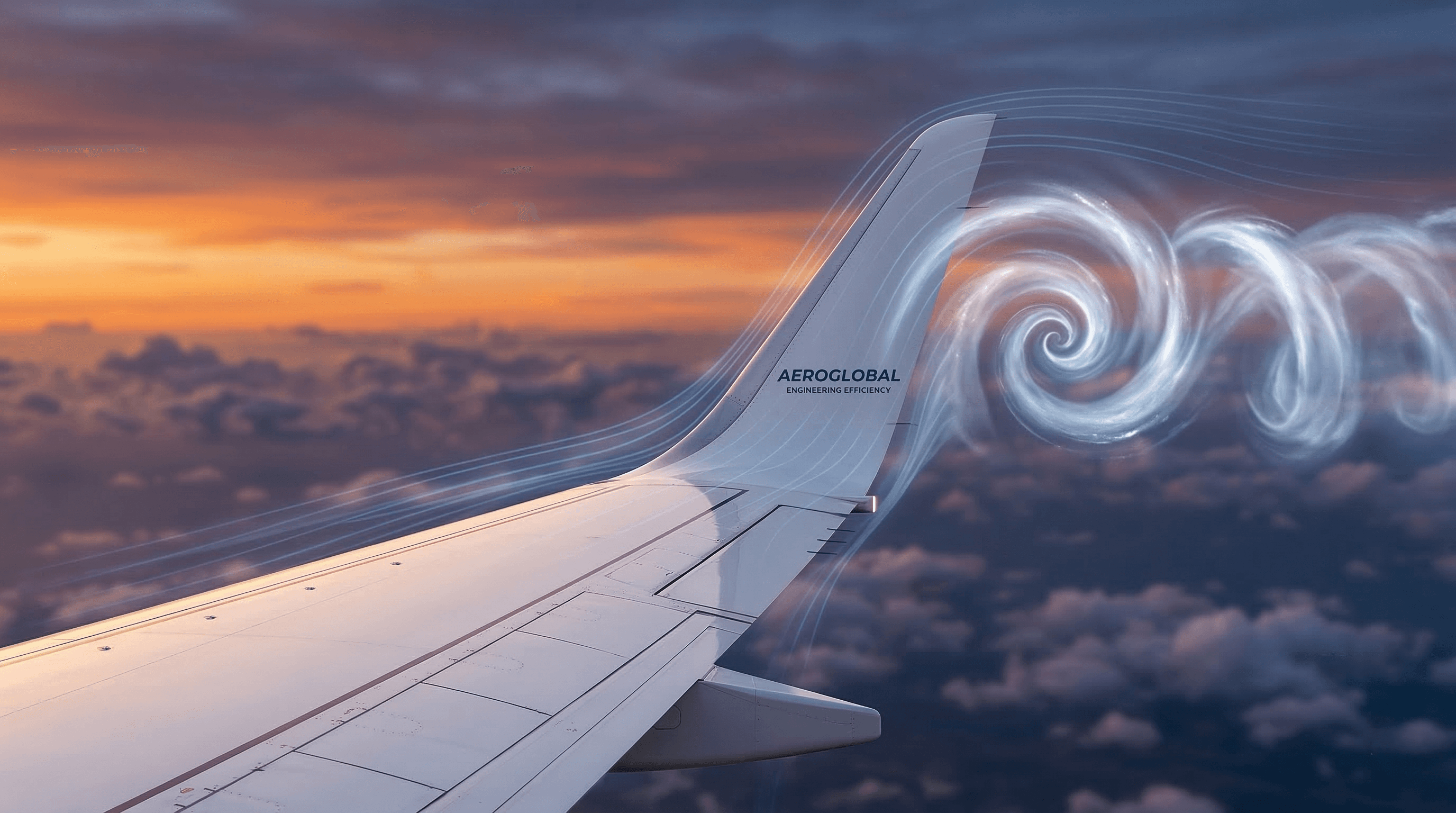
If you’ve ever looked out a plane window, you’ve probably noticed that the tips of the wings don’t just stop they often curve upward into a "swoosh" or a sharp fin. These are called Winglets (on Boeings) or Sharklets (on Airbus).
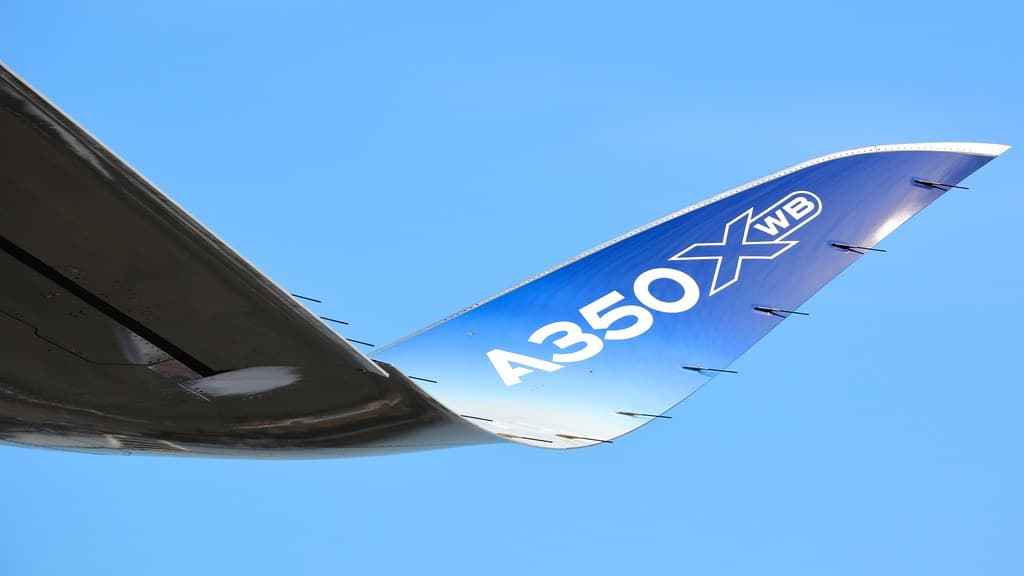
While they look like a cool design choice, they are actually there to fight a silent, invisible enemy that follows every airplane in the sky. Here is the "A to Z" story of how they work, explained for everyone.
A. The Secret of Lift (How Planes Stay Up)
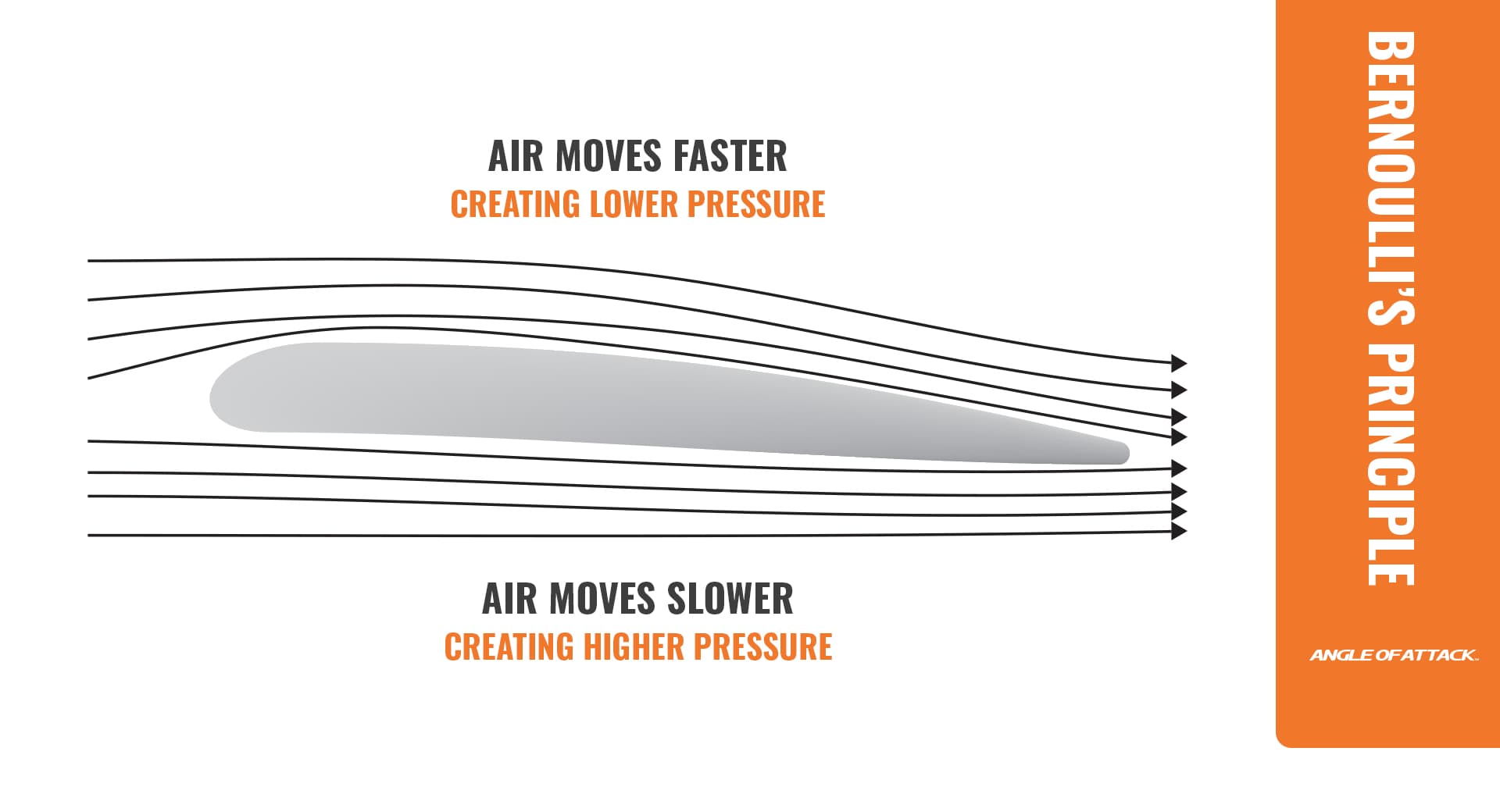
To understand the wingtip, you first have to understand how a wing works. A wing is shaped so that air moves faster over the top and slower underneath.
- Under the wing: High-pressure air (thick and heavy) pushes up.
- Over the wing: Low-pressure air (thin and light) pulls up.
This difference in pressure creates Lift, which is the force that keeps a 200-ton metal tube floating in the sky.
B. The Problem: The "Mini-Tornado"
Nature hates a mess. Whenever you have high pressure (under the wing) right next to low pressure (above the wing), the high pressure tries to escape to the low-pressure side.
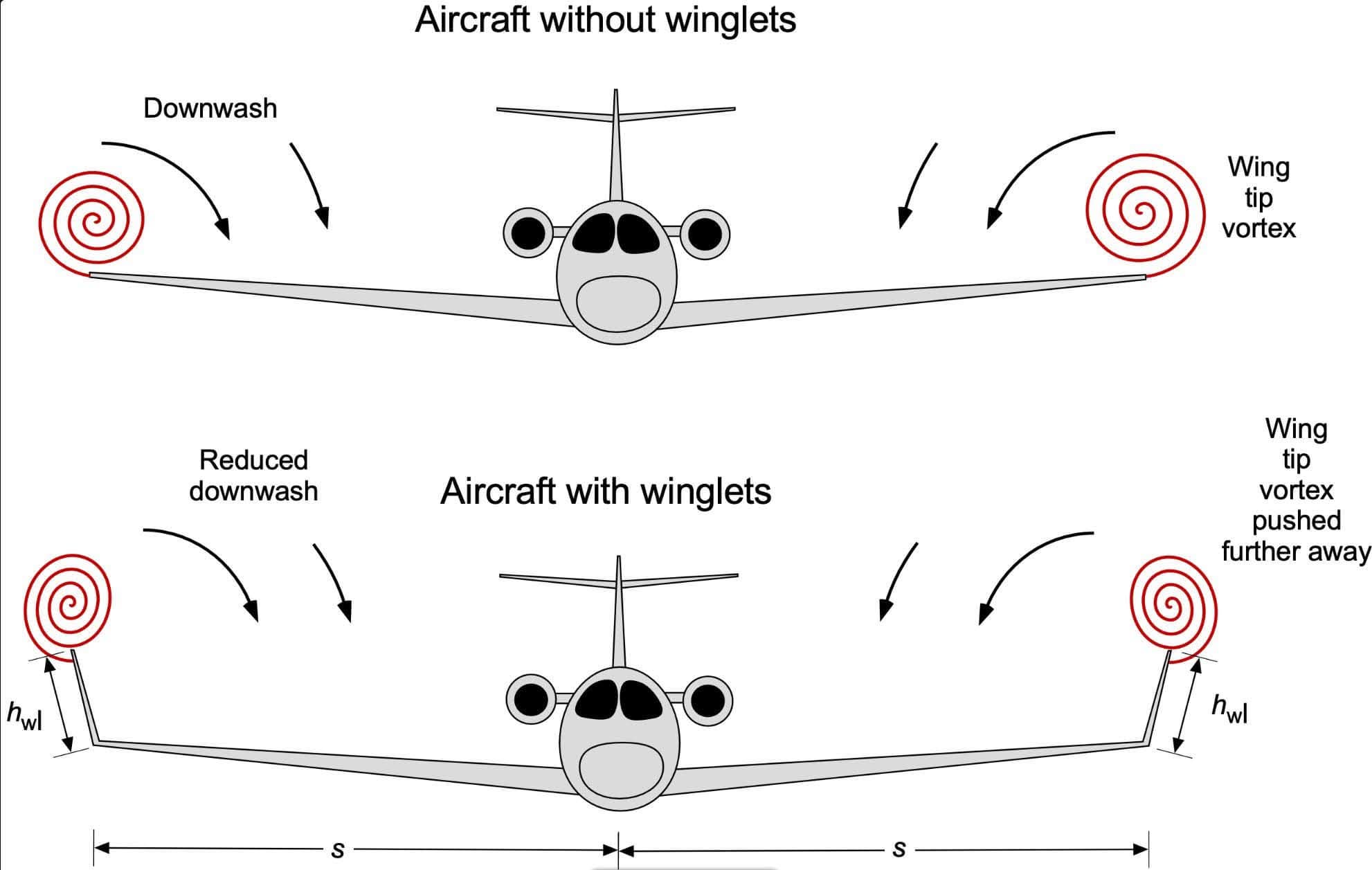
At the very tip of the wing, there is nothing to stop the air. So, the air from underneath curls around the edge to get to the top. This creates a spinning spiral of air called a Wingtip Vortex.
Imagine a mini-tornado dragging behind each wingtip. These vortices are so powerful they can actually flip over smaller planes flying too close behind!
C. The Cost: "Induced Drag"
These mini-tornados don't just sit there; they "pull" on the plane. Because they take a lot of energy to create, they act like an invisible parachute, creating a force called Induced Drag.
This drag slows the plane down. To keep flying at the same speed, the engines have to burn way more fuel. Before winglets were invented, airlines were essentially throwing millions of dollars into these invisible tornados every year.
D. The Solution: Putting Up a "Fence"
This is where the Winglet comes in. Think of a winglet as a "traffic barrier" for air.
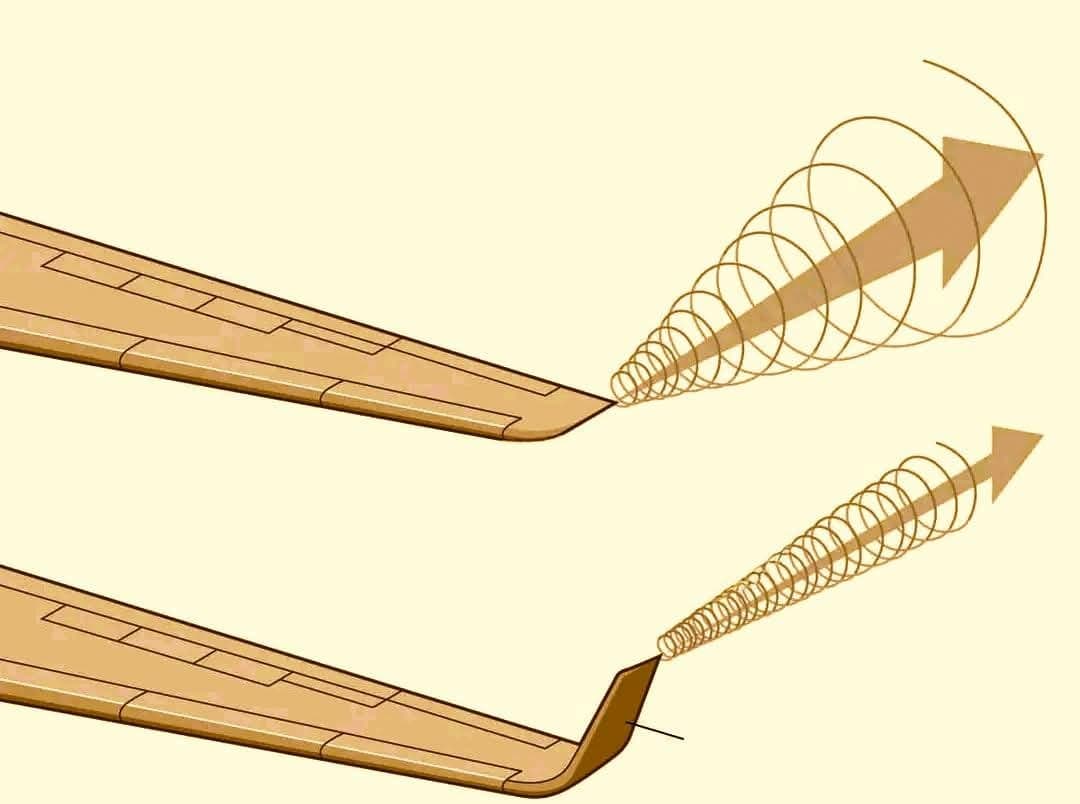
By curving the wingtip upward, engineers are putting a wall in the way. When the high-pressure air tries to curl around the tip to the top, it hits the winglet. This breaks up the "mini-tornado" before it can even start.
E. The Result: Saving the Planet (and Money)
By stopping those tornados, the plane becomes much "slicker" in the air.
- Fuel Savings: A modern winglet reduces fuel burn by about 4% to 6%.
- The Impact: On a long flight from London to New York, that saves enough fuel to fill up several family cars for a year.
- Noise Reduction: Because the air flows more smoothly, the plane is actually quieter during takeoff and landing.
F. The "Sharklet" vs. The "Scimitar"
Not all winglets are the same! As you saw in the photos:
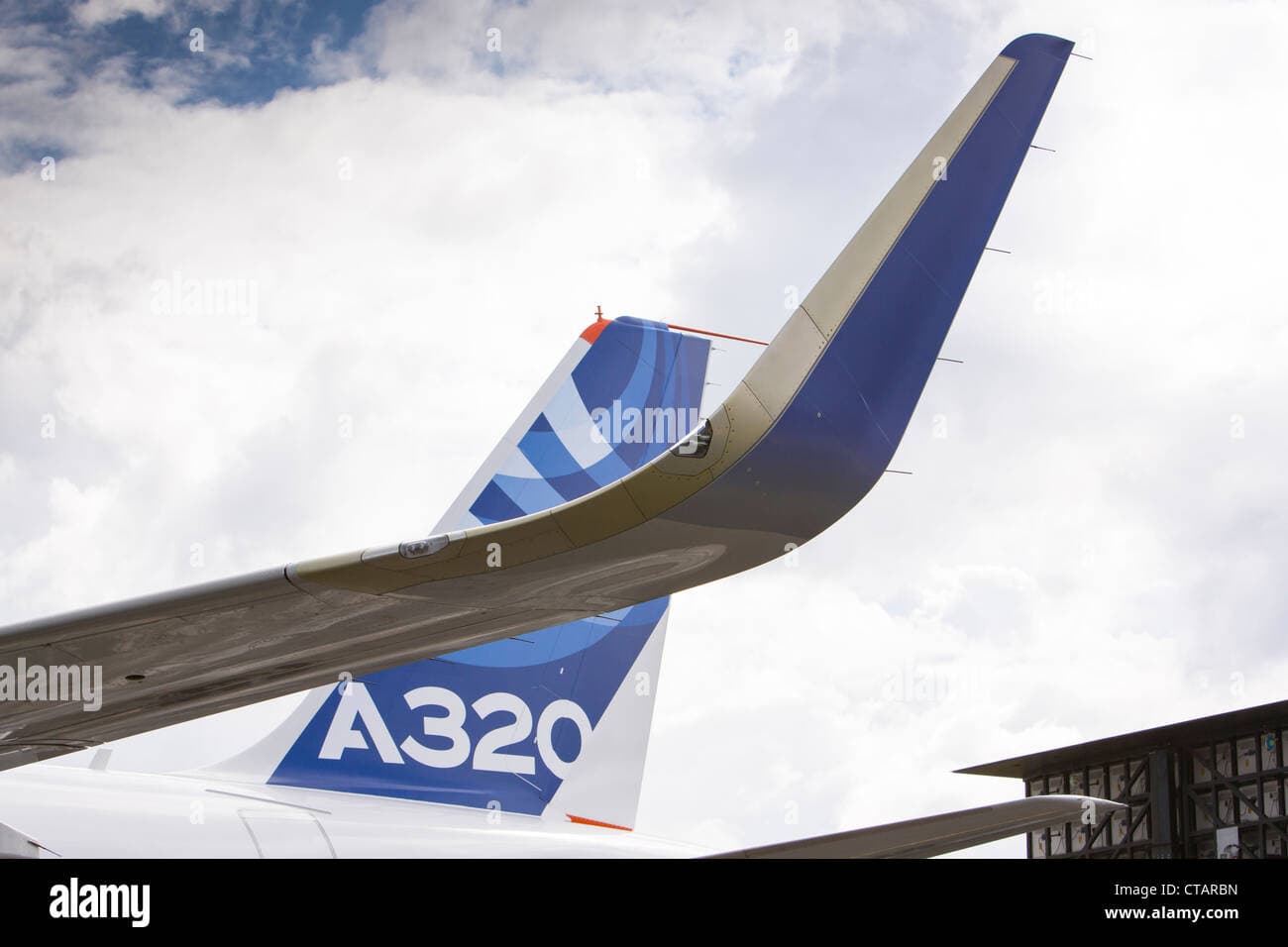
- The Sharklet (Airbus): A tall, elegant curve that looks like a shark fin. It’s great for long, smooth glides.
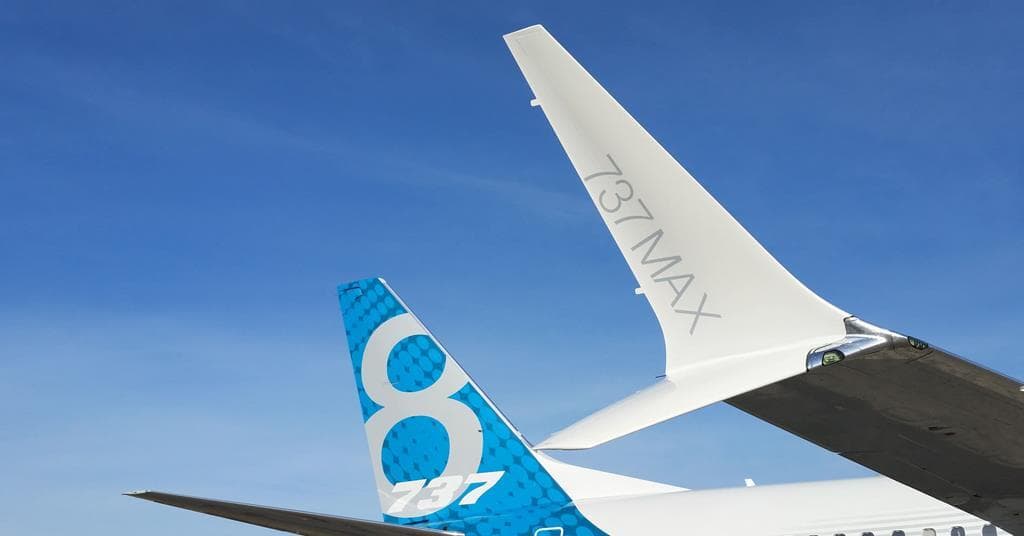
- The Split Scimitar (Boeing 737): This has one fin pointing up and a smaller one pointing down. This captures air moving in both directions, making it even more efficient for shorter, faster flights.
G. Conclusion: The Art of Efficiency
The next time you’re sitting in a window seat, look at that curve at the end of the wing. It’s not just there for the "Aesthetic" it is a masterpiece of physics. It’s a simple wall that stops a tornado, saves millions of dollars, and helps us fly further with less impact on our world.
It is the perfect example of how a small change in shape can lead to a massive change in performance.
Test Your Knowledge!
Click the button below to generate an AI-powered quiz based on this article.
Did you enjoy this article?
Show your appreciation by giving it a like!
Conversation (0)
Cite This Article
Generating...