Engineering
F1 2026 Regulation Changes Explained: What’s New for Miami
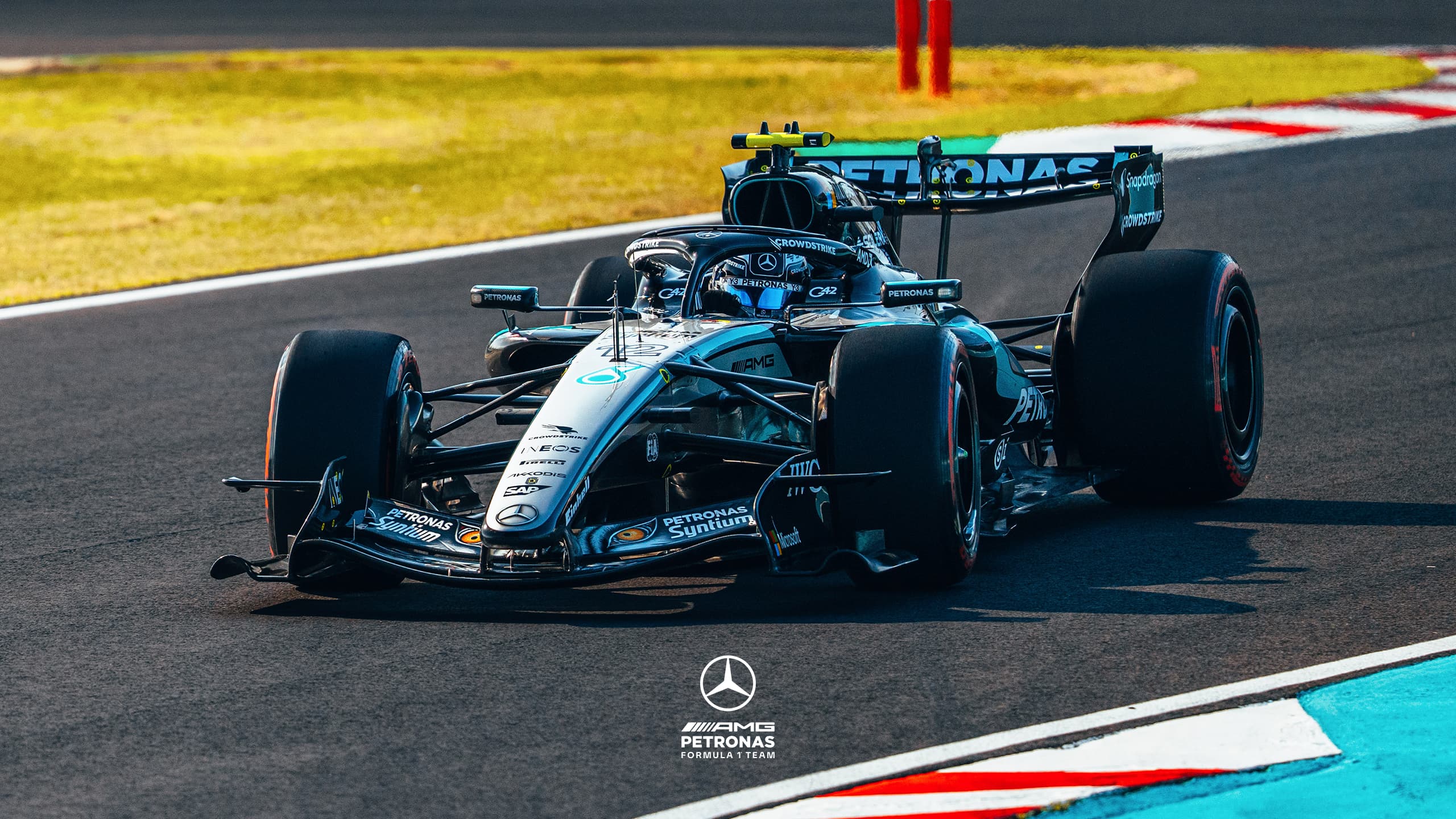
The 2026 Formula 1 season ushered in a brand-new era of technical regulations, featuring a radically different power unit formula with a 50/50 split between internal combustion and electrical energy. However, after gathering data from the first three races of the season (Australia, China, and Japan) and hearing extensive feedback from the drivers, the FIA and F1 stakeholders recognized the need for immediate course correction.
Following a pivotal high-level meeting between the FIA, Team Principals, Power Unit Manufacturers, and Formula One Management (FOM), a unanimous agreement was reached to refine the 2026 regulations. Set to debut at the Miami Grand Prix 2026, these changes target improved safety, more predictable car behavior, and a reduction in the massive closing-speed differentials that have caused alarm early in the season.
Here is a full, clear breakdown of the refined 2026 F1 technical regulations and what they mean for the sport.
1. Qualifying: Promoting True Performance
One of the biggest complaints during the first three rounds was how qualifying had become heavily compromised by extreme energy-harvesting tactics. Drivers were spending an excessive amount of a flying lap harvesting energy to prep for long straights, sacrificing cornering potential and taking the edge off traditional flat-out qualifying laps.
The Fixes:
- Energy Recharge Limit Reduced: The maximum permitted battery recharge per lap has been cut from 8MJ to 7MJ. This discourages excessive harvesting and encourages drivers to drive more naturally and consistently.
- Shorter, More Powerful 'Superclips': "Super clipping" (using the MGU-K in reverse to charge the battery while the driver is still flat on the throttle) was taking too long. Now, peak superclip power has been increased from 250 kW to 350 kW. This means the battery charges much faster, reducing the superclip duration to just 2–4 seconds per lap. This reduces driver workload and limits the awkward handling characteristics associated with prolonged harvesting.
- Track-Specific Energy Limits: The number of races where alternative, lower energy limits can be applied has been expanded from 8 to 12. This gives the FIA more flexibility to adapt the energy rules to circuits where continuous harvesting is particularly problematic.
2. The Race: Combating Dangerous Closing Speeds
A major safety concern in the early 2026 races has been the immense speed differential between a car deploying electrical energy and a car that has run out of battery or is harvesting. Ollie Bearman’s crash in Suzuka after getting caught out by a slower Franco Colapinto was a stark reminder of these dangers.
The Fixes:
- Boost Power Cap: The maximum power available through the push-to-pass "Boost" feature is now strictly capped at +150 kW (or the car's current power level at activation, if higher). This prevents sudden, unpredictable spikes in speed that can catch following drivers off guard.
- Zoned MGU-K Limits: MGU-K deployment is now geographically controlled on the track. Drivers can still use the full 350 kW in key acceleration and overtaking zones (corner exit to braking point). However, in other parts of the lap, deployment will be hard-limited to 250 kW. This ensures overtaking remains viable while effectively neutering the massive speed differentials in non-passing zones.
3. Race Starts: Enhanced Safety Mechanisms (Testing in Miami)
Getting a 2026 car off the line has proven highly volatile due to the complex energy management systems. A stall or bog-down on the grid is exponentially more dangerous in this era.
The Fixes:
- Low Power Start Detection: The FIA has developed a brilliant new failsafe. If the system detects a car with abnormally low acceleration shortly after the clutch is released, it will automatically trigger an MGU-K deployment. This guarantees a safe minimum speed off the line, preventing the driver from becoming a sitting duck for the cars behind them, without granting them an unfair sporting advantage.
- Visual Grid Warnings: If a car goes into this "low power" state off the line, flashing rear and lateral lights will instantly activate, alerting the drivers behind to take evasive action.
- Energy Counter Reset: To fix a software inconsistency, the energy counter will now automatically reset at the beginning of the formation lap, ensuring everyone starts the actual race on the exact same page.
4. Wet Conditions: Improving Grip and Visibility
The 2026 cars have struggled to generate temperature and grip in the wet, compounding the issues of the new power unit's high-torque delivery.
The Fixes:
- Hotter Intermediates: Tyre blanket temperatures for the intermediate tyres have been legally increased based on direct driver feedback. This will give drivers crucial initial grip when exiting the pits on a wet track.
- Torque Limiting: Maximum ERS (Energy Recovery System) deployment will be reduced in wet conditions. Less raw electrical torque reaching the rear wheels means better traction and car control in low-grip scenarios.
- Simplified Lighting: The rear rain light systems have been simplified to provide much clearer, consistent visual cues to drivers following in heavy spray, improving reaction times.
5. Conclusion
The 2026 regulations were always going to be a learning curve, given the monumental shift to a 50/50 power split. The FIA, FOM, and the teams deserve credit for reacting swiftly to the telemetry data and driver feedback. By tweaking the MGU-K limits, capping boost differentials, and introducing smart safety failsafes, these refinements should put the focus back on driver skill rather than pure energy accounting starting right now in Miami.
Test Your Knowledge!
Click the button below to generate an AI-powered quiz based on this article.
Did you enjoy this article?
Show your appreciation by giving it a like!
Conversation (0)
Cite This Article
Generating...